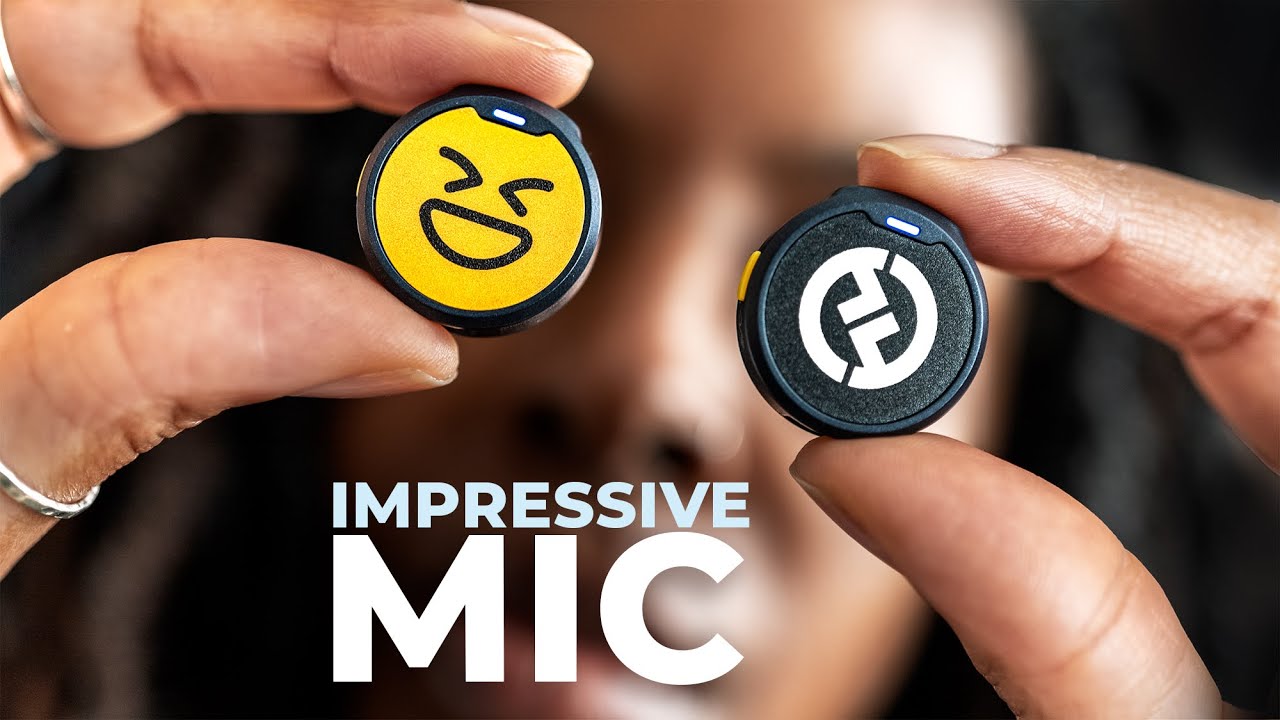

A wireless microphone should remove cables from the performance without replacing them with dropouts, pairing problems, or a voice that disappears into the room. The right choice depends first on the gear you already own. A PartyBox karaoke setup needs a very different receiver from a phone used for interviews.
Our Best wireless microphone picks cover handheld UHF systems, compact lavalier kits, smartphone transmitters, and dual-mic sets for parties or presentations. JBL Wireless Two Microphone System is the best all-around handheld option, while the rest of the lineup gives you stronger choices for video, portability, long range, or frequency control.
Comparison table
| # | Product | Award | Connection | Battery or range | Best for |
|---|---|---|---|---|---|
| 1 | JBL Wireless Two Microphone System | Best overall | Dual-channel UHF receiver | Up to 6 hours | Plug-and-play karaoke |
| 2 | JBL PartyBox Wireless Mic | Best for PartyBox speakers | 2.4GHz dongle | Up to 20 hours, 30 meters | JBL PartyBox owners |
| 3 | DJI Mic Mini | Best for creators | Wireless lavalier receiver | Up to 48 hours with case, 400 meters | Interviews and mobile video |
| 4 | ECHOMUSSY Metal Wireless Microphones | Best for simple dual-mic karaoke | 2.4GHz receiver | Up to 40 hours, 200 feet | Home karaoke and small events |
| 5 | Phenyx Pro PTU-71-2H | Best for frequency control | Dual UHF, auto scan | 290 to 328 feet line of sight | Events and multi-mic setups |
| 6 | Hollyland Lark M2 | Best for high-fidelity video | 2.4GHz wireless lavalier | Up to 40 hours, 300 meters | Vlogging and streaming |
| 7 | Mini Mic Pro | Best for phone beginners | USB-C and Lightning adapters | Up to 6 hours | TikTok and quick interviews |
| 8 | RØDE Wireless Micro | Best compact phone kit | Direct USB-C receiver | Up to 18 hours with case | Grab-and-go smartphone video |
| 9 | Phenyx Pro PTU-52-2H | Best tunable starter system | Dual UHF | Up to 200 feet | Karaoke and live performances |
1. JBL Wireless Two Microphone System: Best Overall

Pros
- Two microphones work through one dual-channel receiver
- Simple plug-and-play setup
- JBL Original Pro Sound support
- Replaceable AA batteries
- Up to six hours of playback
Cons
- Battery life is shorter than several rechargeable rivals
- Intended for speaker systems rather than phones
- No listed frequency adjustment
Best for: households and small venues that want two handheld microphones with minimal setup.
The JBL Wireless Two Microphone System gets the important thing right: it behaves like a finished karaoke accessory rather than a small audio project. Turn on the receiver and microphones, connect the system to a compatible speaker, and the two voices are mixed through the speaker. That straightforward approach is why it takes the top spot over more adjustable UHF systems.
The dual-channel receiver is rechargeable, while the handheld microphones use replaceable AA batteries. JBL says the set supports up to six hours of playback, enough for a normal party or rehearsal but not as generous as the 20 hours claimed by the JBL PartyBox Wireless Mic or the 40 hours offered by the ECHOMUSSY set. Replaceable batteries do have one practical advantage: you can swap them immediately instead of waiting for the microphones to charge.
Sound is built around JBL Original Pro Sound and a promise of clear vocals without sticking, delay, or distortion. The system includes two microphones, so duets do not require a second receiver. Its 1.2-pound listed weight applies to the product as a whole, and the handheld format is familiar and easy to pass between singers. It is a better fit for vocal use than the DJI Mic Mini, Hollyland Lark M2, or other clip-on systems, which are designed to sit close to a speaker's clothing.
The limitation is flexibility. There is no stated selectable frequency system, and the receiver is not positioned as a phone or camera interface. Buyers who need adjustable UHF channels for a busy event should choose the Phenyx Pro PTU-71-2H instead. For a living room, party speaker, or uncomplicated two-person performance, this remains the Best wireless microphone choice in the group.
2. JBL PartyBox Wireless Mic: Best for PartyBox Speakers

Pros
- Works with all JBL PartyBox speakers
- Cardioid pickup for focused vocals
- Built-in pop filter and shock mount system
- Up to 20 hours of playtime
- Ten minutes of charging adds two hours
Cons
- Best suited to the PartyBox ecosystem
- Dongle use reduces the stated playtime to 12 hours
- 30-meter range is shorter than some UHF systems
Best for: PartyBox owners who want a matched two-microphone karaoke setup.
The JBL PartyBox Wireless Mic is the obvious specialist pick for someone who already owns a JBL PartyBox. It is designed to work across the PartyBox range, from the Encore to the Ultimate, so the appeal is less about universal compatibility and more about a clean fit with the speaker you already use.
Its two digital wireless microphones use a stable 2.4GHz connection through the included dongle, with a stated range of up to 30 meters from the PartyBox. That is plenty for walking around a typical party space, though the Phenyx Pro PTU-71-2H reaches farther in open line-of-sight use. The microphones use a cardioid pickup pattern, which favors sound in front of the capsule, and JBL adds a shock mount system to reduce handling noise.
A built-in pop filter is another thoughtful touch. It is intended to reduce breath noise and harsh plosive sounds when people sing close to the microphone. Battery claims vary by operating mode: the microphones can reach up to 20 hours, while use with the digital wireless dongle is listed at up to 12 hours. They can be charged through a PartyBox charging port, and JBL says ten minutes of charging provides another two hours of playtime. The microphones can keep working while charging.
That ecosystem focus is also the main reason to skip it if you do not own a PartyBox. The JBL Wireless Two Microphone System is the more generally sensible JBL option, especially when simple receiver compatibility matters. Choose this model when PartyBox integration, quick charging, and long party sessions matter more than a broader connection strategy.
3. DJI Mic Mini: Best for Creators

Pros
- Two transmitters and one receiver
- Very light 10-gram transmitters
- 48kHz audio and 120dB SPL
- Two noise cancellation levels
- Automatic limiting helps prevent clipping
- Up to 48 hours with the charging case
Cons
- More specialized for video than karaoke
- Some ecosystem features require DJI equipment
- The listed range is a line-of-sight maximum
Best for: creators recording interviews, livestreams, and mobile video with discreet clip-on microphones.
The DJI Mic Mini is a completely different kind of wireless microphone from the JBL and Phenyx Pro systems. Instead of giving singers a handheld capsule, it gives a video creator two small transmitters, one receiver, and a charging case. The transmitters weigh just 10 grams, so they are designed to stay unobtrusive on a shirt or jacket.
The audio specification is well suited to spoken content. DJI lists 48kHz sampling, a 120dB maximum sound pressure level, and automatic limiting that reduces the chance of loud input clipping. That matters when a quiet interview suddenly turns into an excited response. Two levels of noise cancellation let you use a lighter setting indoors or a stronger setting in noisier surroundings.
Battery life is one of its strongest features. The system is rated for up to 48 hours with the charging case, which is considerably longer than the six-hour JBL system and the 18-hour case-assisted claim of the RØDE Wireless Micro. The stated maximum transmission range is 400 meters, although real surroundings, walls, and people will affect any wireless link. DJI also supports a direct connection from a transmitter to selected Osmo products without the receiver.
The Mic Mini is not the pick for connecting to a karaoke amplifier, and it does not replace a handheld stage microphone. For video, though, its small transmitters, safety against clipping, noise cancellation, and two-person layout make it more versatile than the Mini Mic Pro. If your work includes phones, interviews, livestreams, or an Osmo camera, this is one of the most capable options here. Readers focused specifically on phone compatibility can also compare the practical trade-offs in connecting a wireless mic to different iPhone setups.
4. ECHOMUSSY Metal Wireless Microphones: Best for Simple Dual-Mic Karaoke

Pros
- Two all-metal handheld microphones
- Independent volume controls
- LCDs show battery and frequency
- Up to 200 feet of range
- Up to 40 hours of use
- USB-C charging
Cons
- Not compatible with phones, tablets, or Bluetooth-only speakers
- Requires a dedicated 3.5mm or 6.35mm microphone input
- Open-space range claim will vary indoors
Best for: home karaoke users with a PA system, amplifier, mixer, or powered speaker with a microphone input.
The ECHOMUSSY Metal Wireless Microphones set is appealing because it gives each singer useful control without requiring a complicated receiver. Both microphones have all-metal bodies, and the contrasting grey and cyan colors make it easy to tell them apart during a duet. The receiver pairs each microphone individually, so turning on the components is intended to be enough to get started.
The system uses a dynamic cardioid microphone design with DSP noise reduction. Cardioid pickup concentrates on the singer and helps limit sound from the sides, while the noise reduction is aimed at keeping vocals clearer in busy rooms. Each microphone has separate plus and minus volume buttons, and its LCD shows remaining battery and operating frequency. That is more information at the microphone than the JBL systems provide.
ECHOMUSSY lists up to 200 feet of wireless range in an unobstructed environment and up to 40 hours of use from USB-C rechargeable batteries. The set includes a 3.5mm adapter, which broadens the connection options, but the compatibility warning is important. It works with karaoke machines, PA systems, amplifiers, mixers, and powered speakers that have a dedicated 6.35mm or 3.5mm microphone input. It does not work with phones, tablets, laptops, televisions, Bluetooth-only speakers, or an AUX or headphone port.
That restriction keeps this below the more broadly useful JBL Wireless Two Microphone System, but it makes the choice clearer. The Phenyx Pro systems offer more frequency management, while ECHOMUSSY gives you simpler operation, long battery life, and independent controls. Pick it for a compatible karaoke or PA setup, and skip it if your main source is a phone or Bluetooth speaker.
5. Phenyx Pro PTU-71-2H: Best for Frequency Control

Pros
- Auto scan finds a less congested frequency
- Two sets of 100 selectable UHF frequencies
- Up to 16 transmitters can operate in a multiset setup
- Metal construction and replaceable microphone heads
- Up to 328 feet line-of-sight range
Cons
- Receiver package is relatively large and heavy
- Uses AA batteries
- More setup than the plug-and-play JBL systems
Best for: churches, weddings, DJs, and events where wireless frequency coordination matters.
The Phenyx Pro PTU-71-2H is the serious event system in this group. It is built around dual UHF channels, auto scanning, and frequency selection rather than the fixed simplicity of a casual karaoke kit. If several wireless systems may be operating nearby, that extra control can matter more than a compact case.
Each channel provides 100 selectable frequencies. The first operates from 536.57 to 561.32MHz, and the second from 562.37 to 587.12MHz. Auto Scan is designed to identify a less-interfered frequency, and a lock function can hold the selected setting. Phenyx Pro says a multiset configuration can support up to 16 transmitters simultaneously, which makes this the strongest choice here for an expanding event setup.
The handheld microphones use cardioid pickup and a tuned EQ with fuller low frequencies, bright high frequencies, and a balanced midrange. The system has a stated line-of-sight range of 290 to 328 feet. Its metal receiver and microphones should suit repeated handling, and the replaceable microphone head gives the system a maintenance option that the smaller creator kits do not offer. Four AA batteries are included, with a stated 16-hour use time.
The cost of that flexibility is physical bulk and a more involved setup. The listed product weight is about 5.95 pounds, far more than the compact DJI or RØDE kits, and this is equipment to place near a mixer or speaker rather than toss into a pocket. The Phenyx Pro PTU-52-2H is simpler and reaches 200 feet, but the PTU-71-2H is the better pick when interference management and longer reach are central requirements.
6. Hollyland Lark M2: Best for High-Fidelity Video

Pros
- 48kHz and 24-bit audio
- Two transmitters and three receivers
- Noise cancellation with one-click control
- Mono and stereo recording modes
- Up to 40 hours with the case
- USB audio support for computers
Cons
- The range claim is line of sight
- Mode switching through the receiver is tied to the camera connection
- More components to manage than the RØDE kit
Best for: vloggers, streamers, and interviewers who need broad device compatibility and detailed recorded audio.
The Hollyland Lark M2 is made for a creator who moves between a camera, phone, and computer. Its package includes two transmitters, three receivers, and a charging case, giving it more connection flexibility than the single-receiver DJI Mic Mini package listed here. The transmitters weigh 9 grams, so they remain small enough for discreet on-camera use.
Hollyland specifies 48kHz and 24-bit audio, a 70dB signal-to-noise ratio, and a maximum sound pressure level of 115dB. Those figures point to a system intended to preserve detail while leaving room for louder voices. The transmitters have one-click noise cancellation, and the algorithms are designed to keep speech clear in noisier surroundings. That makes the Lark M2 more appropriate for spoken video than the handheld JBL and Phenyx Pro systems.
Battery life reaches up to 10 hours for the transmitters with noise cancellation off, and the charging case can fully charge the set twice. Hollyland lists up to 40 hours for the camera version with the case. Transmission reaches up to 300 meters line of sight, and UAC support allows the receiver to connect directly to a computer without an external sound card. The camera receiver also supports mono and stereo modes through its 3.5mm connection.
The Lark M2 has more pieces and more connection choices than the RØDE Wireless Micro, which is intentionally simple for USB-C phones. That makes Hollyland the better fit for a mixed-device creator, but it also means more adapters and components to keep organized. If your main need is keeping spoken audio clear during livestreams, the Lark M2's gain control, noise cancellation, and receiver options make a strong case.
7. Mini Mic Pro: Best for Phone Beginners

Pros
- USB-C and Lightning adapters included
- Plug-and-play connection without an app
- Foam and dead cat wind protection
- Compact, lightweight design
- Up to six hours per charge
- Device can be charged while recording
Cons
- Shorter battery life than the DJI, Hollyland, and RØDE kits
- Less information about audio format and transmission range
- Primarily designed for phones and simple mobile recording
Best for: first-time mobile creators making short videos, interviews, or voiceovers.
The Mini Mic Pro is the least intimidating option for someone who wants to clip on a microphone and start recording from a phone. It includes both USB-C and Lightning adapters, so it covers the two main phone connector types without asking the user to install an app or set up Bluetooth. That direct approach is its central strength.
The microphone is a wireless lavalier design intended to sit on clothing rather than in the hand. The included high-density foam and dead cat cover address two common mobile recording problems, namely breath noise and wind. The product is listed as weighing under an ounce, and its small form should be less distracting in TikTok videos, interviews, and casual YouTube clips.
Battery life is listed at up to six hours per charge. That is adequate for short recording sessions, though the DJI Mic Mini can reach 48 hours with its case and the RØDE Wireless Micro can reach 18 hours with its case. Mini Mic Pro also supports charging the phone while the microphone is in use, which is helpful when a long recording session would otherwise drain the device.
The trade-off is a thinner set of published technical details. Unlike Hollyland, the listing does not specify a sample rate, bit depth, signal-to-noise ratio, or transmission distance. That makes it harder to assess for demanding production work. For a new phone creator who values simple connections, wind protection, and broad USB-C and Lightning support, it is a sensible starting point. For more demanding audio work, step up to DJI or Hollyland.
8. RØDE Wireless Micro: Best Compact Phone Kit

Pros
- Two transmitters in a compact charging case
- Direct USB-C connection to a smartphone
- Automatic pairing
- GainAssist automatically adjusts levels
- Up to 18 hours with the case
- Lightweight design
Cons
- The listed version is for USB-C smartphones
- No stated camera or Lightning receiver
- Less range and audio detail specified than DJI or Hollyland
Best for: smartphone creators who want two microphones and almost no setup.
The RØDE Wireless Micro is the tidy alternative to a larger multi-device creator kit. The two microphones sit in a charging case, and the receiver connects directly to a USB-C smartphone without a cable. Automatic pairing removes the usual sequence of turning on separate components and checking whether they found each other.
RØDE builds the microphones in, so there is no separate lavalier capsule to position. The design is described as ultra-compact and lightweight, which suits creators who want a discreet setup for a walk-and-talk video or a two-person interview. With two transmitters, it is more useful for conversations than a single phone microphone, while remaining less bulky than the Hollyland package.
Its defining audio feature is GainAssist, which automatically adjusts audio levels. That can help keep one speaker from being much louder than the other, especially when recording without a dedicated operator watching levels. The charging case provides two additional charges, for up to 18 hours of battery life in total.
This USB-C version is not as broadly equipped as the Mini Mic Pro, which includes a Lightning adapter, or the Hollyland Lark M2, which lists camera, phone, and computer support. It also does not publish a transmission range or audio format in the supplied details. For a USB-C phone user who values automatic pairing, two built-in microphones, and a compact case, the RØDE is the cleaner everyday choice. For wider device coverage, consult the connection choices that matter for phone recording.
9. Phenyx Pro PTU-52-2H: Best Tunable Starter System

Pros
- 30 tunable frequency groups
- Two XLR outputs and one mixed quarter-inch output
- Metal microphones and receiver
- Frequency hopping and automatic pairing
- Up to 200 feet open-space range
- Includes windscreens and anti-rolling rings
Cons
- Uses AA batteries
- Supports up to three units simultaneously
- Less frequency capacity than the PTU-71-2H
Best for: karaoke, church services, and small live events that need adjustable UHF channels.
The Phenyx Pro PTU-52-2H brings adjustable UHF operation to a simpler dual-handheld package. It is aimed at karaoke, live performances, church services, and outdoor events, with two metal microphones and a metal receiver. The microphones include anti-rolling rings that also help distinguish the two channels.
Its 30 tunable frequency groups operate in the 500MHz band, and Phenyx Pro says up to three units can be used at the same time without interference. The system uses frequency hopping and automatic pairing, so users can switch channels with a button rather than manually rebuilding the connection. Its operating distance is listed as up to 200 feet in open space line of sight.
Connection options are useful for a small sound system. The receiver has two XLR outputs and one mixed quarter-inch output, making it suitable for mixers, speakers, and power amplifiers. The cardioid capsules are designed for stable sound transmission with reduced hiss, dropouts, and feedback. Four AA batteries are included, along with a quarter-inch audio cable, a 6.35mm to 3.5mm adapter, windscreens, and antennas.
The PTU-71-2H is the more capable pick when you need 200 selectable frequencies per channel, auto scanning, or a larger multiset deployment. The JBL systems are easier for casual users, but they do not offer the same tuning controls. Choose the PTU-52-2H when your setup has traditional audio inputs and you want more control than a fixed plug-and-play system provides.
How to choose best wireless microphone
The right system starts with the device receiving the audio. Handheld UHF microphones suit speakers, mixers, and karaoke equipment, while compact lavalier kits are designed around phones, cameras, and computers.
Microphone style
Handheld microphones are easier to pass between singers and generally make sense for karaoke, speeches, and live events. Lavalier transmitters clip to clothing and leave both hands free, which is better for interviews, tutorials, and streaming. The JBL and Phenyx Pro systems are handheld, while DJI, Hollyland, Mini Mic Pro, and RØDE target spoken video.
Receiver compatibility
Check the input before buying. A quarter-inch or 6.35mm connection is common on karaoke machines, amplifiers, and powered speakers. Camera and phone kits may use USB-C, Lightning, or a 3.5mm camera connection. The ECHOMUSSY system specifically requires a dedicated microphone input and will not work through an AUX or headphone port.
Wireless range
Manufacturers usually state an open-space or line-of-sight maximum. Walls, people, crowded rooms, and other radio devices can reduce that distance. A small room rarely needs hundreds of feet, but a wedding, church, or outdoor event benefits from the stronger range and frequency management of the Phenyx Pro PTU-71-2H.
Range is useful only after the receiver, connector, and microphone type match the job.
Battery system
Rechargeable batteries reduce waste and make charging convenient, but replaceable AA batteries are easy to swap during a long event. The JBL Wireless Two Microphone System uses replaceable AAs, while ECHOMUSSY, DJI, and Hollyland list rechargeable operation. Look at the complete system claim, including what the charging case adds, rather than comparing the transmitter figure alone.
Frequency management
Fixed or automatically paired systems are easiest for occasional use. Tunable UHF systems are better when multiple wireless microphones share a venue or nearby equipment could cause interference. The PTU-71-2H offers auto scan and 100 selectable frequencies on each of two channels, while the PTU-52-2H offers 30 tunable groups.
Frequently asked questions
Can a wireless microphone work with any Bluetooth speaker?
No. Wireless microphone receivers generally need a dedicated microphone input, and Bluetooth-only speakers may not accept the receiver's signal correctly. Check the speaker's microphone connection before choosing a handheld system.
Which type is best for phone video?
A clip-on lavalier kit with a compatible USB-C or Lightning receiver is the practical choice. DJI Mic Mini, Hollyland Lark M2, Mini Mic Pro, and RØDE Wireless Micro are designed around mobile or creator recording, while the JBL and Phenyx Pro systems are intended for traditional audio equipment.
Are UHF systems better than 2.4GHz systems?
Neither is automatically better for every use. UHF systems such as the Phenyx Pro models offer selectable frequencies and are useful for events, while 2.4GHz kits such as the JBL PartyBox Wireless Mic and ECHOMUSSY set emphasize straightforward pairing. The surrounding equipment and required range matter more than the label alone.
Do two wireless microphones need two receivers?
Not when the system is designed as a dual-microphone kit. JBL, ECHOMUSSY, Phenyx Pro, DJI, Hollyland, and RØDE offer packages that handle two microphones through one receiver or receiver arrangement.
What does cardioid pickup mean?
A cardioid microphone is most sensitive to sound from the front and less sensitive to sound from the sides and rear. That can help focus on a singer or speaker, but positioning still matters. The JBL PartyBox Wireless Mic, ECHOMUSSY, and Phenyx Pro handheld systems specify cardioid pickup.
Is a lavalier microphone better for interviews?
Usually, yes, because it clips close to the speaker and keeps the hands free. A two-transmitter kit also lets an interviewer and guest record separate microphone sources. Handheld microphones remain useful when the microphone needs to be passed around or held visibly.
The bottom line
The Best wireless microphone for most handheld karaoke and speaker setups is the JBL Wireless Two Microphone System. It combines two microphones, a dual-channel receiver, simple setup, and a familiar JBL sound profile. Choose the JBL PartyBox Wireless Mic instead when PartyBox compatibility and extended rechargeable operation are the priority.
For video creators, the DJI Mic Mini is the strongest all-rounder in this list, with two small transmitters, automatic limiting, noise cancellation, and long case-assisted battery life. Hollyland Lark M2 is the better fit for broader receiver and computer support, while RØDE Wireless Micro is the cleanest USB-C phone kit.
If you are undecided, choose the receiver and microphone style that match your existing device first, then compare range, battery design, and frequency controls.
As an Amazon Associate we earn from qualifying purchases.