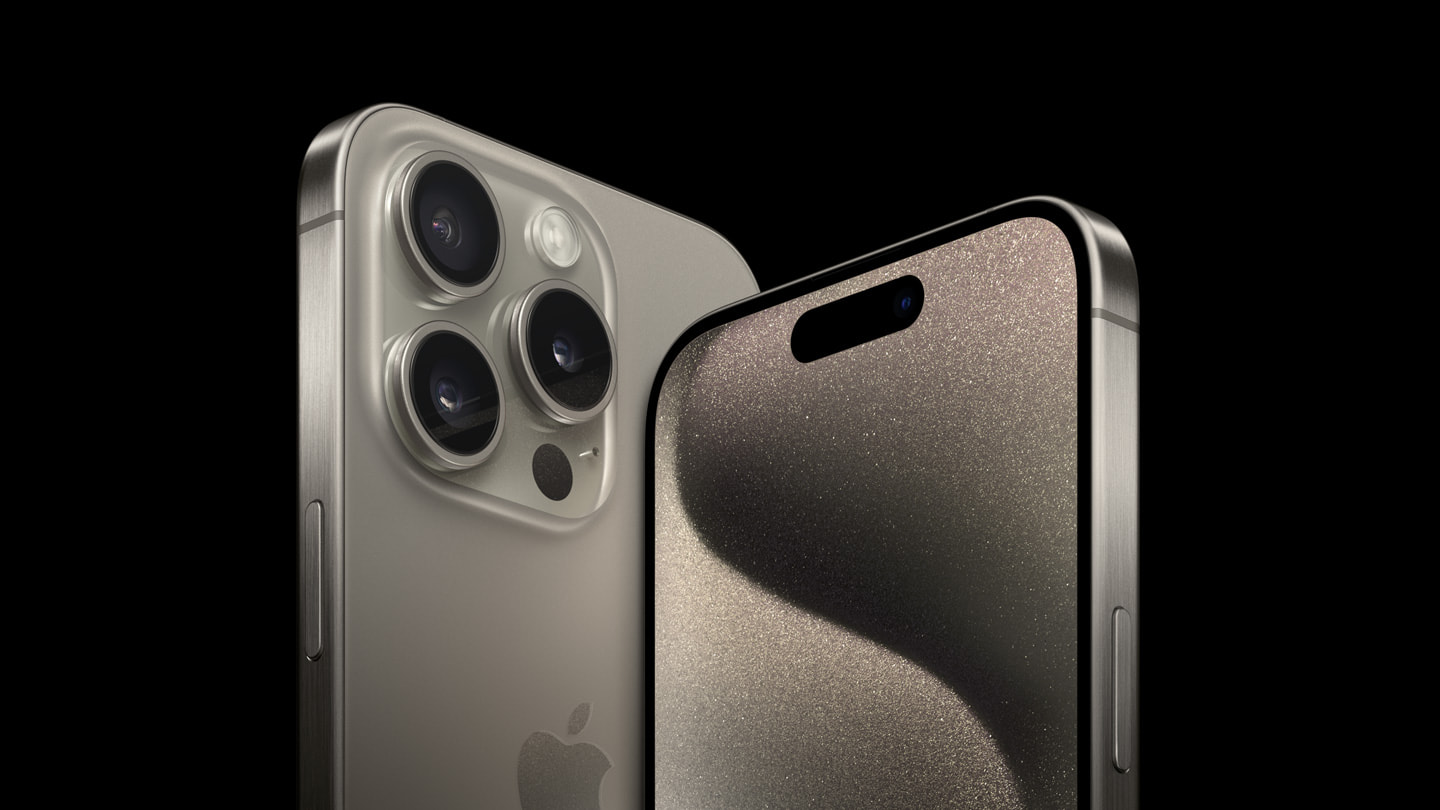

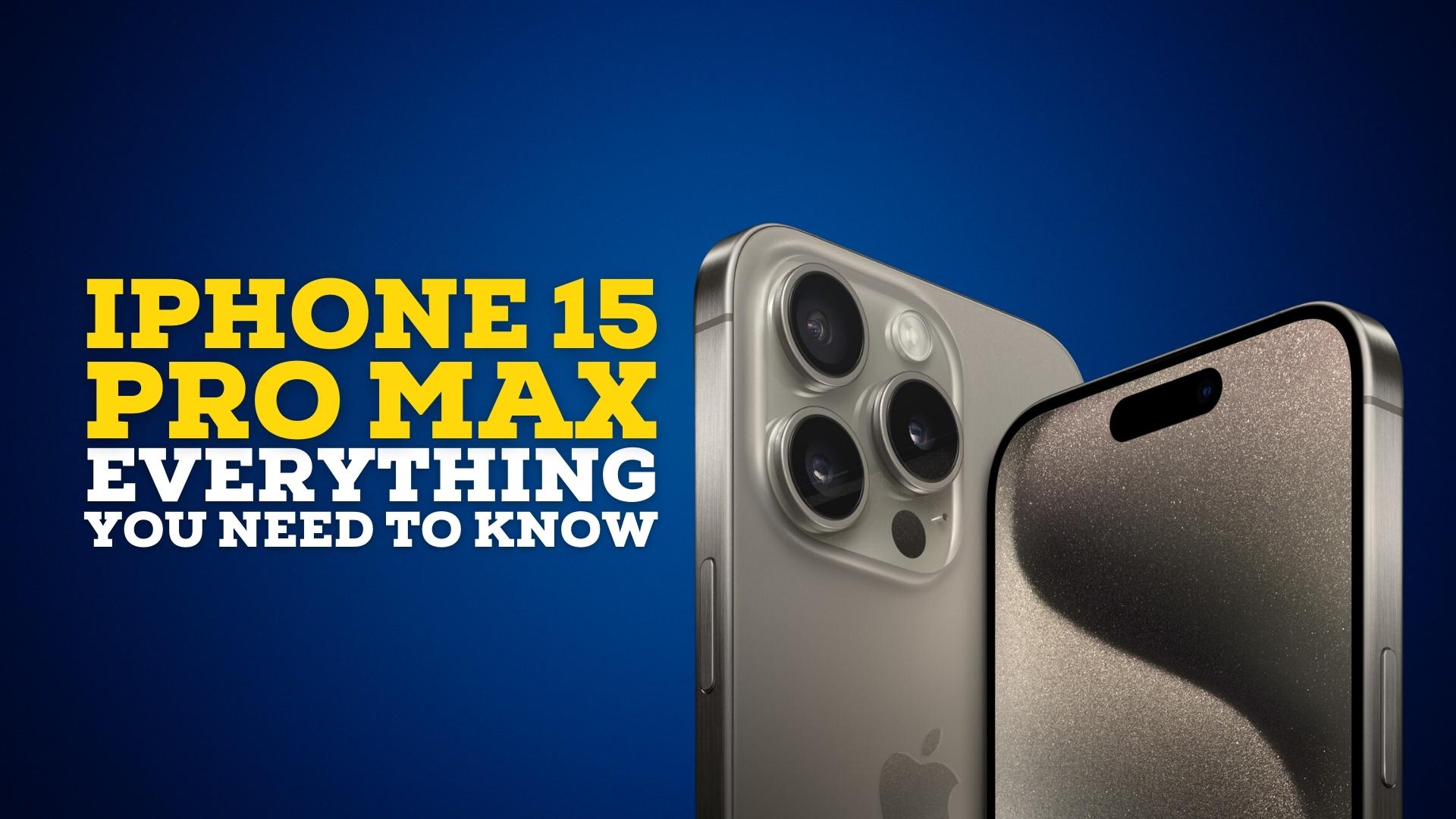
The iPhone 15 Pro Max is Apple's 2023 flagship, and its specs are a mix of meaningful upgrades and iterative refinements. At its core: a 6.7-inch OLED display with ProMotion, the A17 Pro chip (the first 3‑nanometer smartphone processor), a 48‑megapixel main camera with a periscope lens for 5x optical zoom, and a titanium frame that shaves weight. The base model starts at 256 GB of storage, and the Lightning port is finally replaced by USB‑C (USB 3 speeds). That is the short answer. Here is what each spec actually means for how the phone performs.
The A17 Pro Chip: What the 3‑Nanometer Process Delivers
The A17 Pro is the first smartphone chip built on a 3‑nanometer process. In practice, that means more transistors in the same space, which translates to roughly 10 percent faster CPU performance and a 20 percent faster GPU compared to the A16 in the iPhone 14 Pro Max. But the real story is efficiency. The 3‑nm process lets the chip run demanding tasks like 4K video editing or high‑end gaming without drawing as much power as a 4‑nm chip would. So battery life is better than the raw wattage numbers suggest.
The GPU is also new: a 6‑core design with hardware‑accelerated ray tracing. That matters if you play console‑port games like Resident Evil Village or Death Stranding, which run natively on the iPhone 15 Pro Max. For most everyday apps, the difference between the A17 Pro and the A16 is imperceptible. It is the kind of headroom that keeps the phone feeling fast for the next three to four years, not a jump you will notice in your morning scrolling.
Display: 6.7 Inches, ProMotion, and Outdoor Brightness
The display is a Super Retina XDR OLED panel with a 6.7‑inch diagonal, 2796 x 1290 resolution, and the same 120 Hz ProMotion refresh rate that has been on Pro models since the iPhone 13 Pro. The headline number is peak brightness: 2000 nits outdoors. That is double the iPhone 14 Pro Max, and it makes a real difference when you are reading a map in direct sunlight. Indoors, the phone stays at 1000 nits typical, which is plenty.
ProMotion dynamically adjusts the refresh rate from 10 Hz to 120 Hz depending on what you are doing. It saves battery when you are looking at a static photo and feels buttery smooth when you are scrolling. The always‑on display is also here, dimming to 1 Hz and showing the time, widgets, and notifications. It uses almost no power, but you can turn it off if you prefer not to see it.
Camera System: The Periscope Lens and Computational Photography
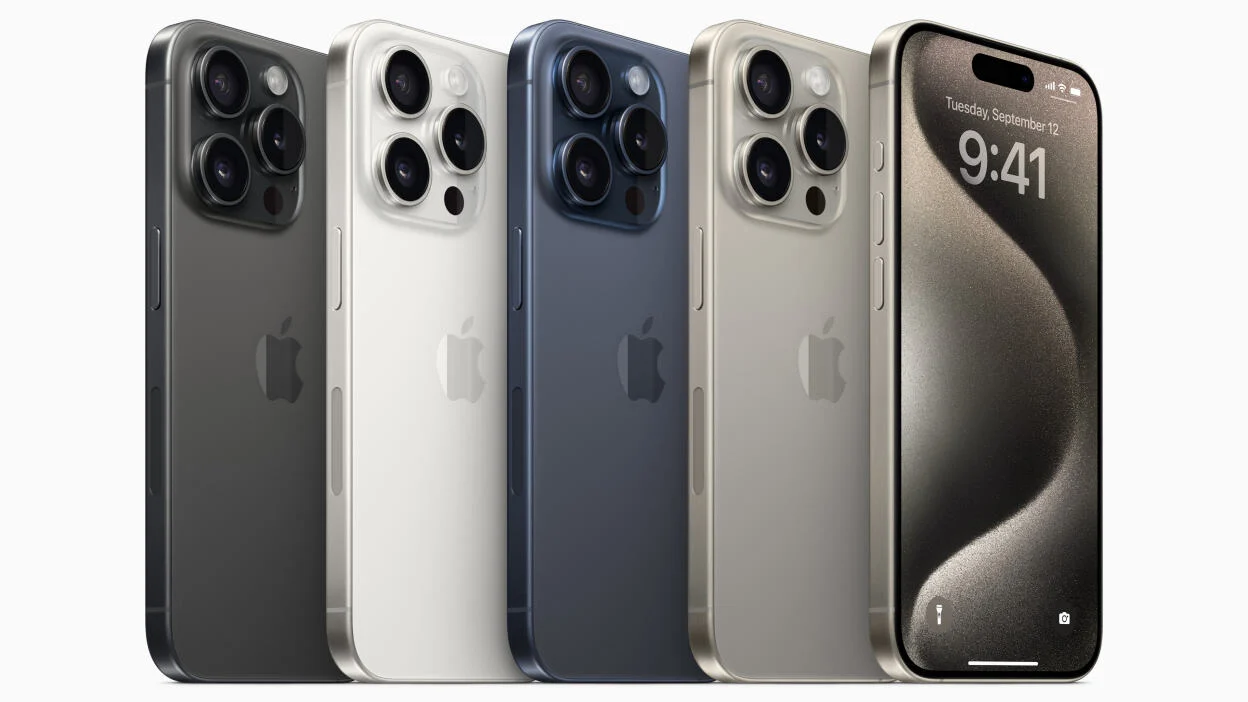
The camera array is where the 15 Pro Max stands apart from the smaller 15 Pro. Both have the same 48‑megapixel main sensor, 12‑megapixel ultrawide, and LiDAR scanner. But the 15 Pro Max gets a dedicated tetraprism periscope lens that delivers 5x optical zoom (120 mm equivalent). The 15 Pro stops at 3x optical zoom. For anyone who shoots distant subjects, wildlife, stage performances, sports from the stands, that 5x reach is a genuine advantage. The 15 Pro Max also has a 12‑megapixel front camera with autofocus, identical to the 15 Pro.
The 48‑megapixel main sensor uses pixel‑binning by default to produce 24‑megapixel images (a new default resolution for the 15 Pro line). You can shoot full 48‑megapixel ProRAW or HEIF files if you want maximum editing flexibility, but those files are large. The computational photography stack includes Photonic Engine, Deep Fusion, and Smart HDR 5. Apple’s processing tends to keep skin tones natural and avoid oversharpening, which is a different direction from some Android rivals.
Video recording is a strong suit: up to 4K 60 fps in Dolby Vision HDR, and now you can record ProRes 4K 60 fps to an external USB‑C drive (the USB 3 speeds make that practical). Action Mode, which smooths handheld footage, works at 2.8K 60 fps. For most users, the camera is overkill in the best way, it takes consistently excellent photos with minimal effort.
Battery and Charging: What USB‑C Changes
The iPhone 15 Pro Max has a 4422 mAh battery, slightly larger than the 14 Pro Max’s 4323 mAh. Combined with the A17 Pro’s efficiency, Apple rates it for up to 29 hours of video playback (versus 28 hours on the 14 Pro Max). In real use, most people will get through a full day of heavy use with about 20 percent left at bedtime. Lighter users can stretch to two days.
Charging is where the biggest change lives: USB‑C replaces Lightning. The port supports USB 3 at 10 Gbps for data transfers, but the included cable in the box is only USB 2. To get USB 3 speeds, you need a separate cable (or use the one Apple sells separately). Charging speed is still capped at around 27 watts wired (PD) and 15 watts MagSafe wireless. That is not fast compared to some Android phones that hit 80 or 100 watts, but it is sufficient for overnight top‑offs. MagSafe remains the same, and the phone also supports Qi2 wireless charging at 15 watts.
If you are coming from a Lightning iPhone, you will need new cables for your car, desk, and travel kit. The upside is that you can now use the same charger for your iPad, MacBook, and iPhone. For a closer look at the wireless charging ecosystem, see what MagSafe for iPhone actually enables.
Design and Build: Titanium, Weight, and the Action Button
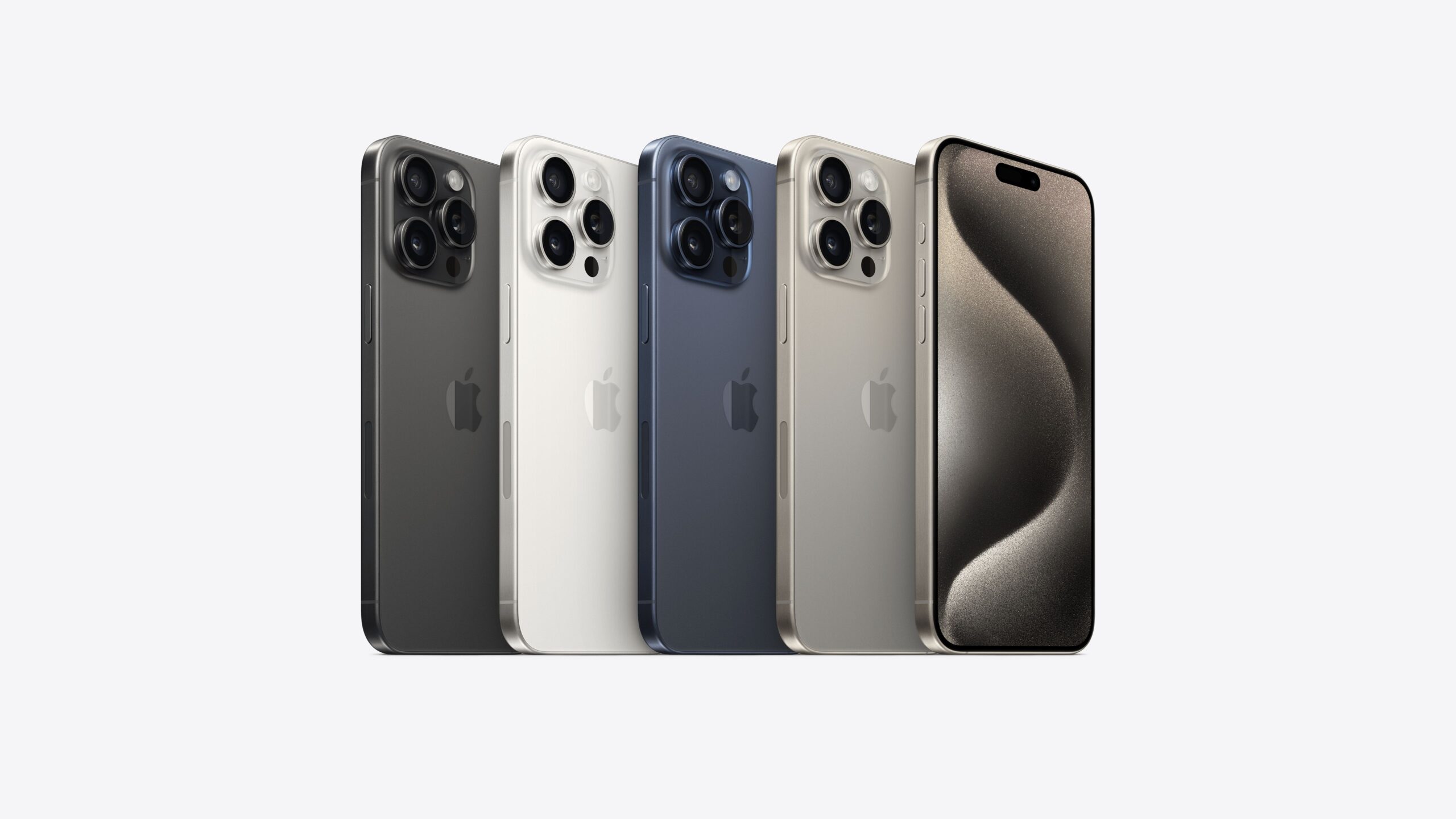
The biggest physical change is the switch from stainless steel to grade 5 titanium. That reduces the weight from 240 grams (14 Pro Max) to 221 grams. It is noticeable in the hand, the phone feels lighter than its size suggests. The titanium frame is also more scratch‑resistant than the stainless steel, though it is more prone to denting if dropped. The back is still glass, and the front is Ceramic Shield.
The mute switch is replaced by a programmable Action Button. By default it toggles silent mode, but you can assign it to open the camera, start a voice memo, turn on the flashlight, launch a shortcut, or trigger a Focus mode. It is a simple, useful customization that many people set once and forget.
The phone is IP68 rated for dust and water resistance (up to 6 meters for 30 minutes). The display has a slightly thinner bezel than the 14 Pro Max, but that is a cosmetic detail, not a functional one.
Connectivity: USB‑C, 5G, and Wi‑Fi 6E
The iPhone 15 Pro Max supports USB‑C with USB 3 speeds (10 Gbps), which is important for photographers and videographers who offload large files. It also has Wi‑Fi 6E, which adds the 6 GHz band for faster and less congested connections if your router supports it. Bluetooth 5.3, Thread networking (for smart home devices), and the usual array of 5G bands (sub‑6 and mmWave in the US) are present. The satellite SOS and satellite roadside assistance features that debuted on the iPhone 14 series carry over.
One detail: the US model still has no physical SIM tray; it uses eSIM only. That is fine for most carriers, but if you travel internationally and want to pop in a local SIM, you will need to rely on eSIM activation or bring a phone with a physical tray.
How to Check the Specs on Your Own Phone
If you already own an iPhone 15 Pro Max and want to verify its specs, open Settings > General > About. There you will see the model number, storage capacity, iOS version, and serial number. For more detailed hardware info (like RAM or battery health), third‑party apps like Lirum Device Info Lite can pull that data. But the main specs, display, chip, camera, are uniform across all units of the same model. No region variations change the processor or display.
What Changes the Answer
The iPhone 15 Pro Max specs are fixed at the hardware level, but software updates can alter performance and feature availability. For example, iOS 18 brought new Apple Intelligence features that depend on the A17 Pro’s Neural Engine. The 15 Pro Max supports those features; older iPhones do not. Similarly, future camera‑processing improvements may arrive via updates. So while the specs sheet is static, the experience evolves.
Region variations affect cellular bands and mmWave support. The US model has mmWave antenna; most other countries do not. That does not matter for everyday use, only for peak 5G speeds in areas where mmWave is deployed.
How the iPhone 15 Pro Max Stacks Up Against Its Successor
By the time you read this, the iPhone 17 Pro Max is already on the market. The 15 Pro Max remains a capable phone, but its successor offers a faster chip, improved camera zoom, and a newer design. If you are deciding between buying a discounted 15 Pro Max and a new 17 Pro Max, the key trade‑offs are the 5x optical zoom (same on both), the A17 Pro versus the A19 Pro, and the availability of the latest Apple Intelligence features. For a full breakdown of the newer model, read the detailed specs of the iPhone 17 Pro Max. If you are still weighing your options across the entire lineup, our guide to which iPhone should you buy lays out the value of each generation.
FAQ
Does the iPhone 15 Pro Max have a headphone jack?
No. Apple removed the headphone jack starting with the iPhone 7 in 2016. The 15 Pro Max uses USB‑C or wireless audio. If you need a wired connection, you can use a USB‑C to 3.5 mm adapter or a Lightning to 3.5 mm adapter (with a Lightning to USB‑C adapter, though that is messy).
Is the iPhone 15 Pro Max waterproof?
It is water resistant to IP68, meaning it can survive submersion in up to 6 meters of fresh water for 30 minutes. That is not a guarantee against damage, especially in salt water, pools with chlorine, or high‑pressure water. Apple’s warranty does not cover liquid damage.
What is the storage capacity of the iPhone 15 Pro Max?
The base model starts at 256 GB, with options for 512 GB and 1 TB. There is no 128 GB configuration for the Pro Max. The internal storage is not expandable via microSD.
How much RAM does the iPhone 15 Pro Max have?
8 GB of RAM. That is the same as the iPhone 15 Pro and the iPhone 14 Pro Max. Apple does not publish this figure, but it has been confirmed by developer tools and teardowns. The A17 Pro’s memory bandwidth is higher than the A16, so multitasking feels smooth.
Does the iPhone 15 Pro Max support fast charging?
It supports up to 27 watts via USB‑C PD. You can get a 50 percent charge in about 30 minutes with a 20‑watt or higher adapter. The phone does not come with a charger in the box, only a USB‑C cable. For wireless charging, MagSafe delivers 15 watts, and Qi2 chargers also deliver 15 watts. If you want a spare battery for travel, see our picks for the best portable charger for iPhone.