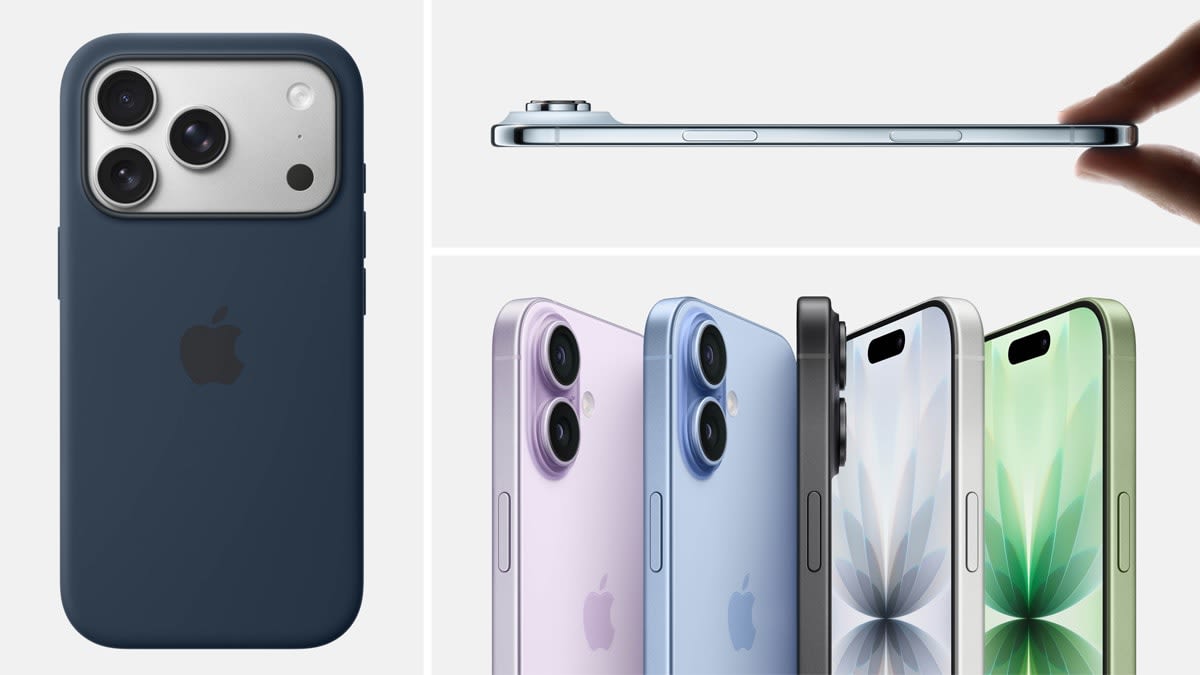

There is no single “best” iPhone for everyone. The right model depends on how you use your phone, what you’re willing to trade off, and which features matter most to you. In 2026, Apple’s lineup spans several distinct tiers: the compact and affordable SE, the standard flagship, the larger Plus or Max variant, and the Pro models with the best cameras and displays. The honest answer to “which iPhone would you like” is that you should decide based on three things: screen size and feel, camera priorities, and battery expectations. This guide walks through each decision so you can pick the one that actually fits your life.
Screen Size and How It Feels in Your Hand
The most immediate difference between iPhone models is the display size and the phone’s physical footprint. If you value one-handed use and a pocket-friendly device, the smallest current model (often the standard or SE) is your best bet. If you watch a lot of video, read documents, or just prefer a larger canvas, the Plus or Pro Max size is better. There’s no wrong answer here, only a personal preference.
Keep in mind that larger phones also weigh more and are harder to use with one hand. If you often type while walking or hold your phone in bed, a smaller model will feel more natural. Conversely, if you’ve ever wished your phone had more screen real estate for maps or multitasking, go bigger. The difference between a 6.1‑inch and a 6.7‑inch screen is noticeable, but the extra width and height also mean the phone won’t fit in every pocket or cup holder.
Pro tip: If you’re unsure, visit a store and hold the actual models. The weight distribution and bezel size matter as much as the diagonal measurement.
Camera System: What You Actually Get
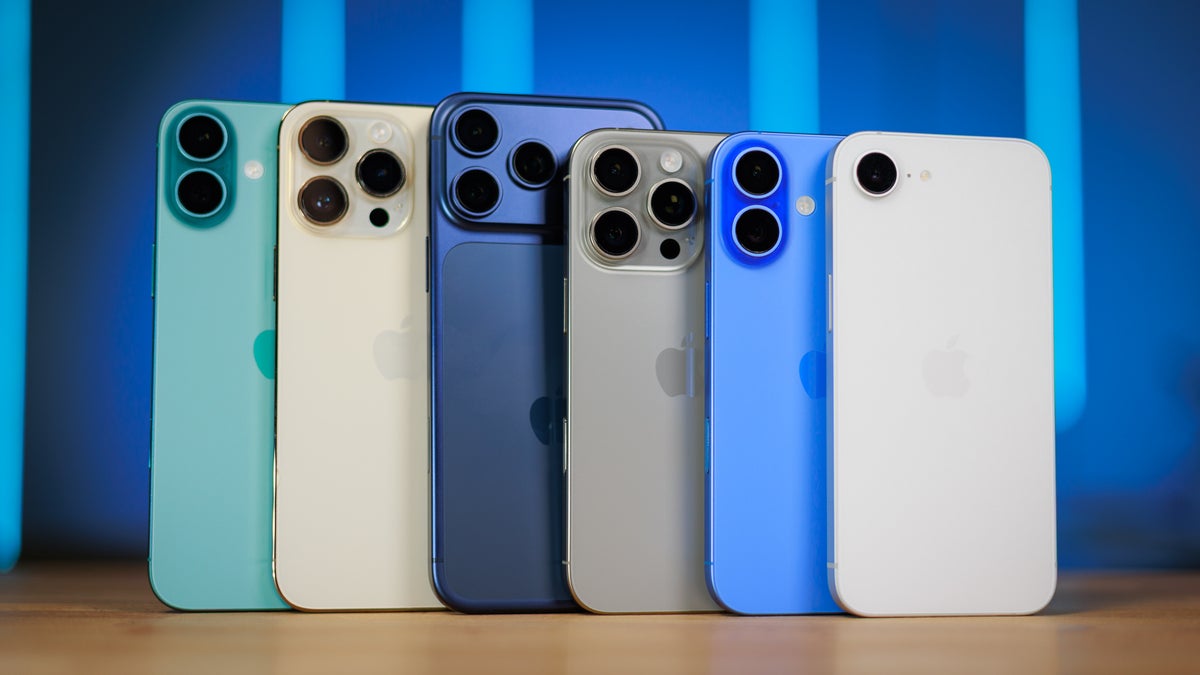
Apple’s camera hardware varies significantly across the lineup. The standard models (non‑Pro) typically have a dual‑camera system with a main wide lens and an ultrawide. They take excellent photos in good light, and computational photography (Smart HDR, Deep Fusion, Night mode) closes the gap in low light. For most people, this is plenty.
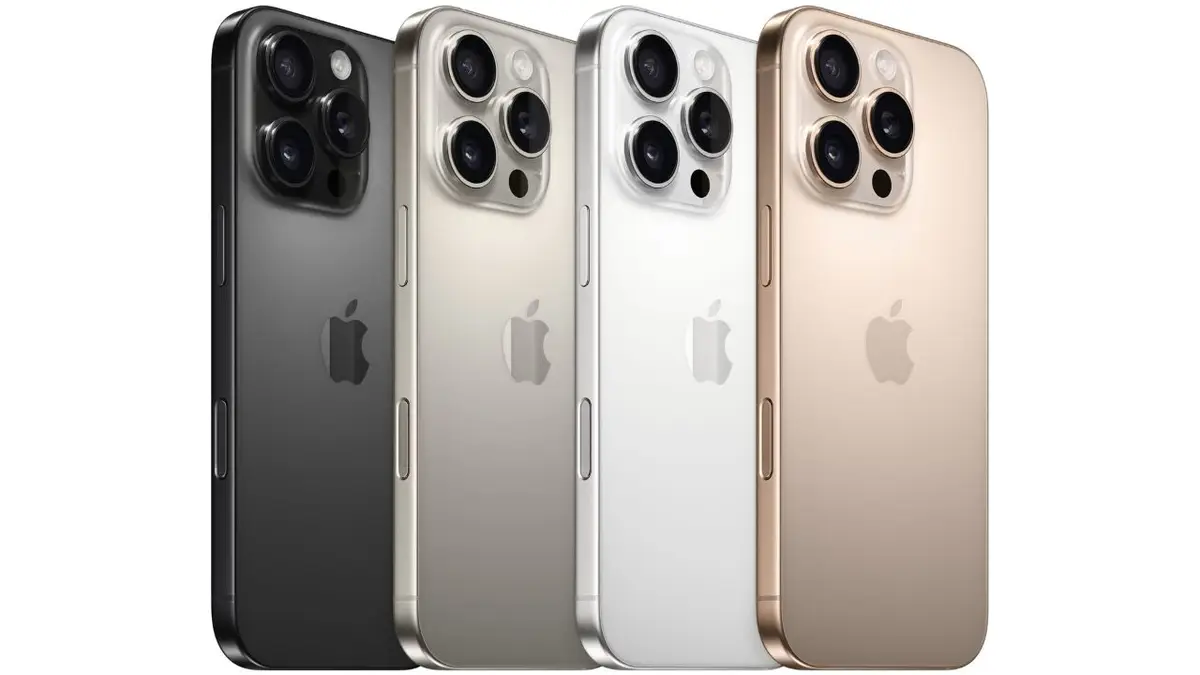
The Pro models add a third lens: a telephoto with optical zoom. That means you can get closer to your subject without losing detail, and portrait mode benefits from a dedicated lens. The Pro also usually gets the larger main sensor and better low‑light performance. If you regularly shoot in dim conditions, crop into photos, or want the best video stabilization, the Pro is worth the upgrade.
There’s also the front camera, which is essentially the same across all current models. FaceTime and selfies look good on any iPhone, so don’t let that sway you.
One honest limitation: Even the best iPhone camera still struggles with extreme low light and fast motion. No phone replaces a dedicated camera for those scenarios. If you’re a serious photographer, you’ll want the Pro, but you’ll still hit the same physical limits.
Battery Life: The Real‑World Difference
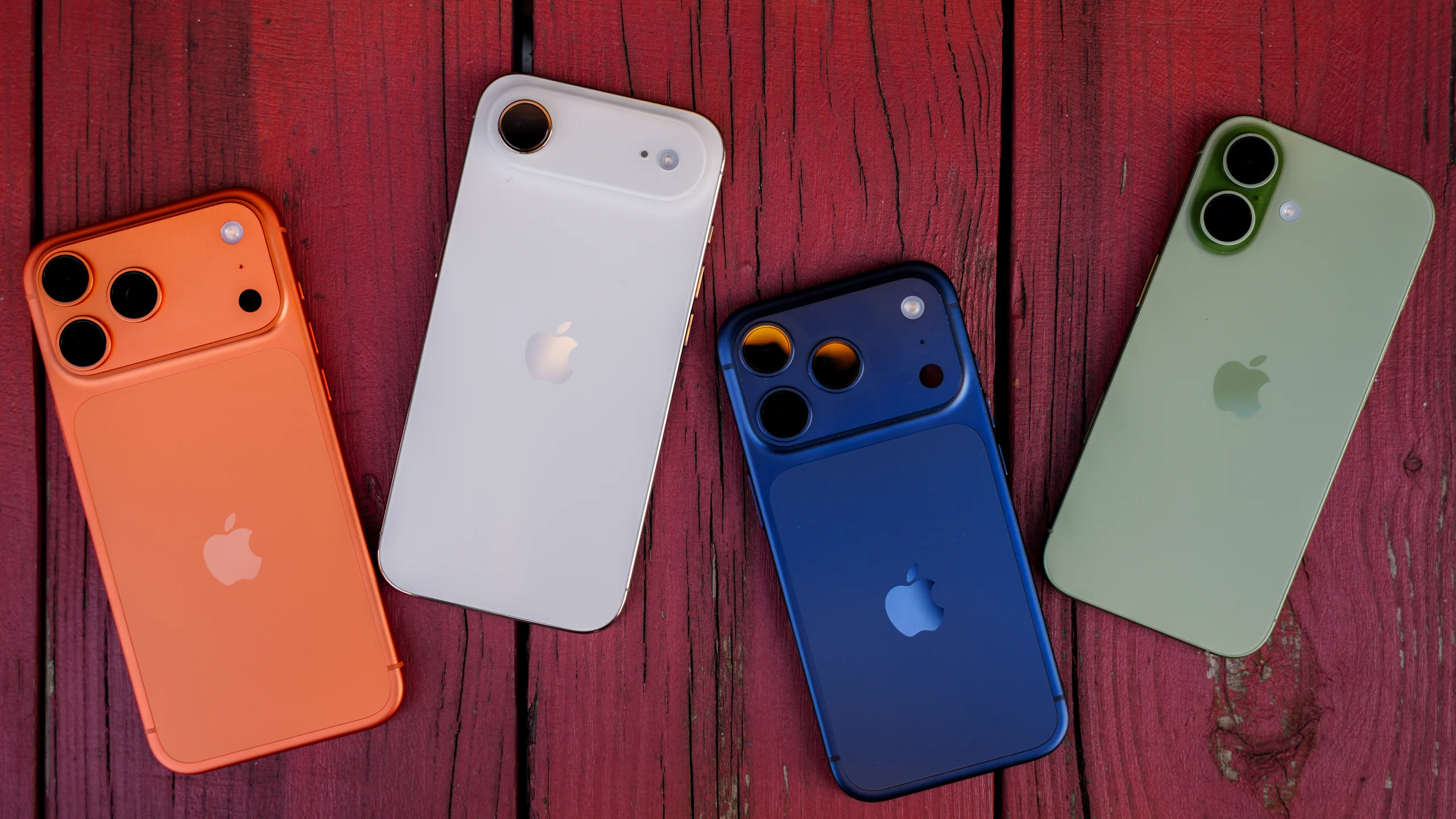
Battery life is where the size trade‑off becomes most tangible. Larger iPhones have bigger batteries, and they last noticeably longer. The Pro Max or Plus models can easily get through a full day of heavy use, while the smallest model may need a top‑up by evening if you’re streaming, gaming, or using GPS.
If you’re away from a charger for long stretches, or you hate carrying a power bank, the larger model is the safer choice. The standard size is fine for most people with a typical workday, but it’s not the endurance champion.
What about the SE? The SE uses an older design with a smaller battery. It will get you through a day of moderate use, but heavy users will need to charge before bedtime. It’s a trade‑off for the lower starting price and compact size.
Performance and Storage: Do You Need the Pro Chip?
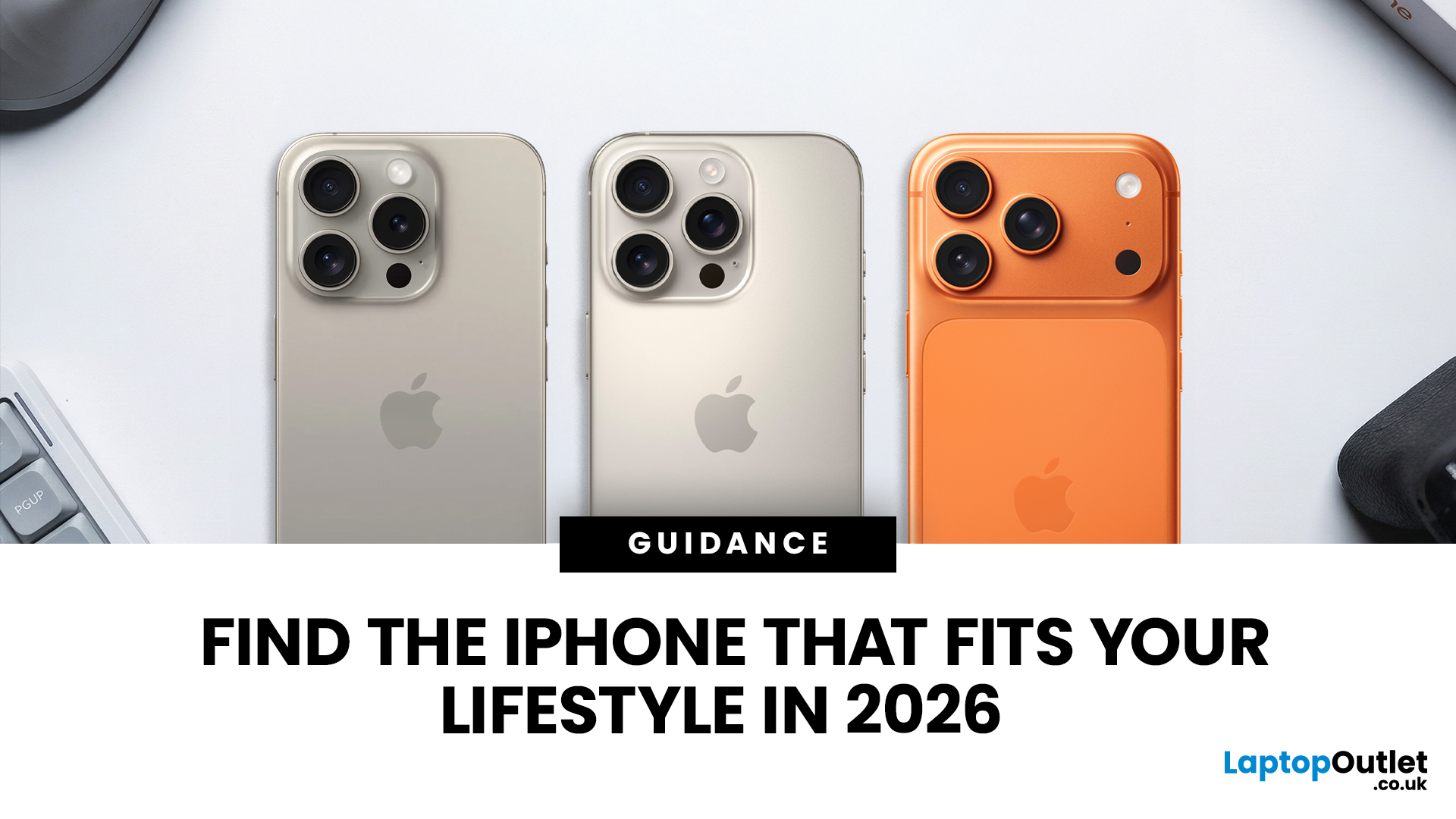
Every current iPhone uses a processor that is fast enough for everyday tasks: browsing, social media, messaging, video streaming. You won’t notice a speed difference between a standard model and a Pro in those activities. The Pro models get a slightly more powerful chip (often with an extra GPU core) that helps with video editing, augmented reality, and high‑end gaming. If you don’t do those things, the standard chip is more than adequate.
Storage is a separate decision. 128GB is the baseline and works for most people who stream music and video. If you take a lot of photos and videos, or download offline maps and media, 256GB or 512GB gives you breathing room. The Pro models sometimes offer 1TB, but that’s only needed for professional workflows.
Our advice: Buy the storage tier that matches your usage, not your aspirations. You can always offload photos to cloud storage later.
Special Features That Might Tip the Scale
Beyond the basics, a few features are exclusive to certain models:
- ProMotion display (120Hz refresh rate), Only on Pro models. It makes scrolling, animations, and gaming feel smoother. Once you use it, the standard 60Hz display feels a little sluggish. But many people never notice the difference.
- Always‑On display, Also Pro‑only. Shows the time, widgets, and notifications without waking the screen. It’s convenient but uses a small amount of battery.
- Titanium frame, Pro models use titanium instead of stainless steel or aluminum. It’s lighter and more durable, but not a deal‑maker for most.
- USB‑C vs Lightning, All current models have USB‑C, so charging and accessory compatibility are the same across the lineup. If you have older accessories, check if they need a specific cable.
- Unlocked vs carrier‑locked, Buying an unlocked iPhone gives you the freedom to switch carriers and often makes resale easier. If you plan to stay with one carrier, a carrier‑locked model from them is fine. For more on this, it’s worth understanding what an unlocked iPhone really means for flexibility.
How to Make Your Final Decision
Start by writing down your top three priorities: screen size, camera quality, and battery life. Then match them to the tiers:
- Compact and affordable: The smallest current model or the SE. Good for one‑handed use, basic photography, and moderate battery.
- Balanced all‑rounder: The standard size flagship. Good screen, good camera, good battery. The right choice for the largest number of people.
- Big screen and long battery: The Plus or Max size. Best for media consumption and all‑day battery, but heavier.
- Best camera and premium feel: The Pro or Pro Max. Best for photography, smooth display, and extra performance.
If you’re still torn, it helps to see how the current lineup compares on specific priorities like camera and battery. For a broader look at which model delivers the most balanced experience for typical users, the current best iPhone for most people is a good starting point.
FAQ
Which iPhone has the best battery life?
The largest model (Pro Max or Plus) always has the biggest battery and the longest runtime. If battery is your top priority, choose the biggest screen size you can tolerate.
Is the iPhone SE still worth buying in 2026?
Yes, if you want a small phone with a familiar design and don’t need the latest camera features. Its battery is adequate for light use, and it runs the same operating system as the flagships. Just know that the screen is smaller and the bezels are larger.
Should I get a Pro or a regular iPhone?
Get the Pro if you value the telephoto camera, a smoother 120Hz display, and the best low‑light performance. Get the regular model if those don’t matter and you’d rather save the money or prefer a lighter phone.
What’s the difference between the standard and the Plus/Max model besides screen size?
The Plus/Max typically has a slightly larger battery and a bigger display, but the same camera system and processor as the standard model. The Pro Max adds the Pro camera features.
Can I use any iPhone with any carrier?
Most iPhones sold today are unlocked or can be unlocked after purchase. Check the model’s compatibility with your carrier’s network bands. If you buy from a carrier, it may be locked to that carrier until you fulfill the contract terms.