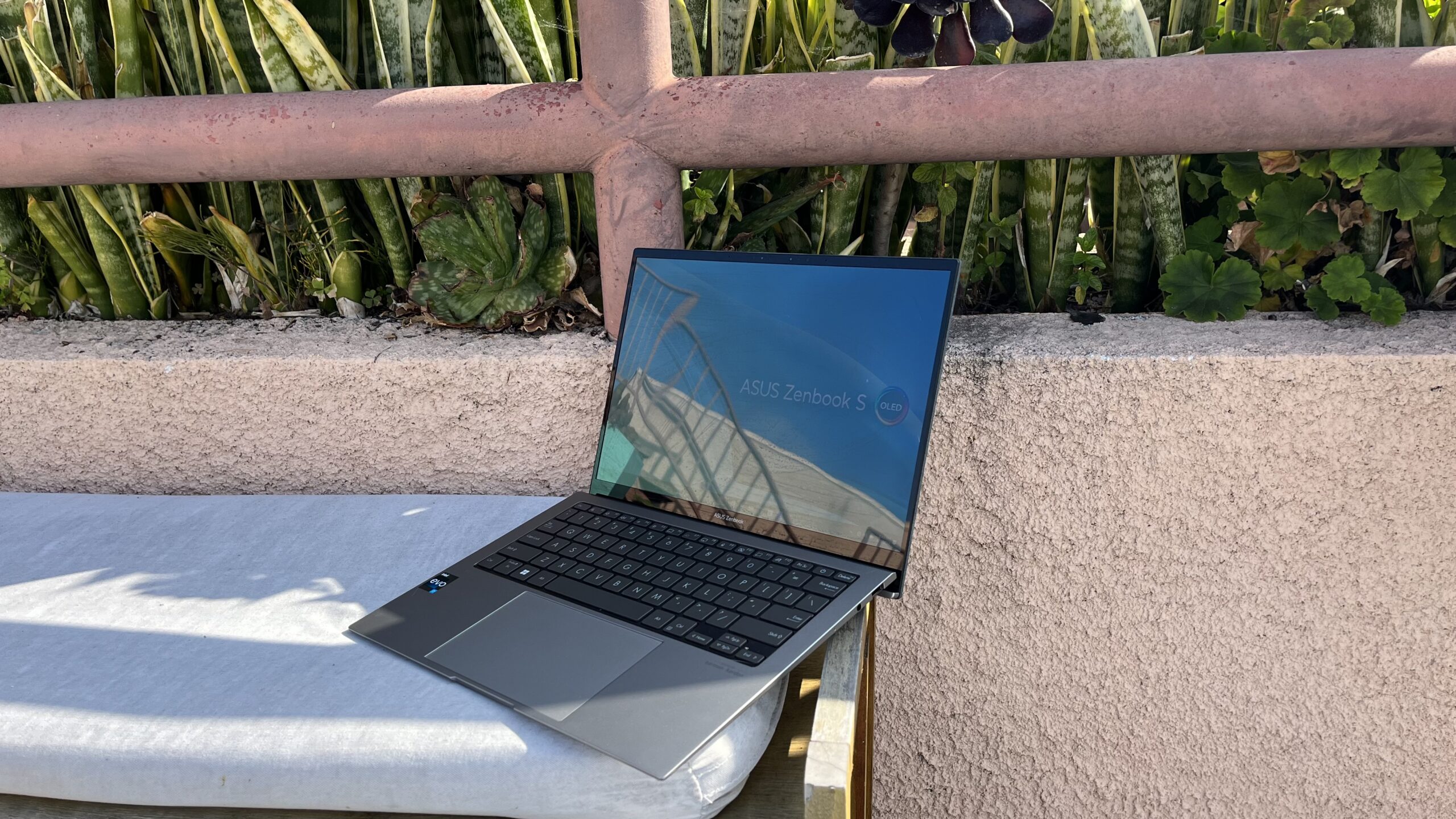

A 13-inch laptop has to solve a difficult space problem. It needs to fit comfortably on a narrow desk or airplane tray, yet still provide a screen, keyboard, battery, and processor that do not feel compromised after a full day.
The Best best 13 inch laptop options now span premium Apple silicon, Snapdragon Windows machines, business-focused Dell systems, convertibles, and renewed models. The right choice depends less on the diagonal measurement than on the operating system, memory, ports, display type, and the work you expect it to handle.
Our top pick is the MacBook Air M5 Midnight, with the Dell Latitude 5350 close behind for Windows users. The list also includes a flexible 2-in-1, compact student-oriented models, and several business laptops with touchscreens.
Comparison table
| # | Product | Award | Screen | Memory and storage | Processor | Best for |
|---|---|---|---|---|---|---|
| 1 | MacBook Air M5 Midnight | Best overall | 13.6-inch Liquid Retina | 16GB unified memory, 512GB SSD | Apple M5 | Most buyers |
| 2 | Dell Latitude 5350 | Best Windows business laptop | 13.3-inch FHD touchscreen | 32GB DDR5, 1TB SSD | Intel Core Ultra 7-165U | Windows productivity |
| 3 | Microsoft Surface Laptop 13 | Best battery claim | 13-inch PixelSense Flow touchscreen | 8GB RAM, 256GB UFS | Snapdragon X Plus, 8-core | Quiet mobile work |
| 4 | Dell Latitude 3340 2-in-1 | Best convertible | 13.3-inch FHD touchscreen | 16GB DDR5, 512GB SSD | Intel Core i5-1335U | Touch and tablet use |
| 5 | MacBook Neo Indigo | Best compact Mac | Liquid Retina display | 8GB unified memory, 256GB SSD | Apple A18 Pro | Everyday Apple use |
| 6 | MacBook Neo Blush | Best colorful laptop | Liquid Retina display | 8GB unified memory, 256GB SSD | Apple A18 Pro | Light everyday tasks |
| 7 | Dell Latitude 5320 Touch 256GB | Best renewed touchscreen | 13.3-inch FHD touchscreen | 16GB DDR4, 256GB SSD | Intel Core i5-1145G7 | Basic Windows touch work |
| 8 | Dell Latitude 5320 512GB | Best renewed storage | 13.3-inch FHD non-touch | 8GB DDR4, 512GB SSD | Intel Core i5-1145G7 | Traditional office work |
| 9 | Dell Latitude 7310 | Best renewed premium chassis | 13-inch FHD touchscreen | 16GB DDR4, 512GB NVMe SSD | Intel Core i7-10610U | Portable Windows work |
| 10 | MacBook Air M5 Sky Blue | Best light creative laptop | 13.6-inch Liquid Retina | 16GB unified memory, 512GB SSD | Apple M5 | Photos and video calls |
1. MacBook Air M5 Midnight: Best Overall

Pros
- Strong M5 performance for everyday and creative work
- 13.6-inch Liquid Retina display
- 12MP Center Stage camera
- Wi-Fi 7 and two Thunderbolt 4 ports
- Up to 18 hours of stated battery life
Cons
- macOS is not suitable for every Windows-only application
- Port selection is limited compared with the Dell business models
- The Midnight finish can show fingerprints
Best for: someone who wants the most complete small laptop for work, school, and creative tasks.
The MacBook Air M5 Midnight is the easiest laptop here to recommend without a long list of qualifications. It is thin, light, quiet in concept, and powerful enough that ordinary work never feels like the machine is struggling to keep up. Its 2.71-pound listed weight suits commuting, while the 0.44-inch height makes it easy to slide into a small bag.
The 13.6-inch Liquid Retina display is larger than the 13-inch label might suggest. It supports 1 billion colors, which helps photos, video, and presentation graphics look more nuanced than they do on a basic business panel. The M5 chip, 16GB of unified memory, and 512GB SSD also give this model more headroom than the MacBook Neo models, especially when many browser tabs, documents, and creative applications are open together.
Apple gives the Air two Thunderbolt 4 ports, a MagSafe charging port, and a headphone jack. Wi-Fi 7 and Bluetooth 6 cover the wireless side, while support for up to two external displays makes it more useful at a desk than its small footprint suggests. The 12MP Center Stage camera can keep the user in frame during calls and supports Desk View, and the three-microphone array and four-speaker system are stronger communication and entertainment features than most compact Windows laptops offer.
The weakness is familiar. Two general-purpose ports are not much if you regularly attach storage, a monitor, a camera, and other accessories at the same time. macOS can also be the wrong environment for software built specifically around Windows. The Dell Latitude 5350 is the better fit for Windows Pro security and office administration, while the MacBook Air M5 is the more polished choice for people happy to work in macOS.
Choose this version for the full combination of screen quality, performance, camera features, connectivity, and battery life. The Midnight finish is the only distinction from the Sky Blue model, so the decision between those two is primarily visual.
2. Dell Latitude 5350: Best Windows Business Laptop

Pros
- 32GB of DDR5 memory
- 1TB PCIe SSD
- Intel Core Ultra 7-165U processor
- FHD+ webcam and backlit keyboard
- Wi-Fi 6E and Windows 11 Pro
Cons
- Heavier than the smallest picks
- FHD resolution is less spacious than some premium displays
- Business-focused design is less distinctive
Best for: professionals who need a capable Windows laptop with generous memory and storage.
The Dell Latitude 5350 is the practical Windows answer to the MacBook Air M5. It does not have Apple's display proportions or ecosystem advantages, but it is configured for the kind of work that often makes a small business laptop feel cramped. With 32GB of DDR5 memory and a 1TB PCIe SSD, it has unusually comfortable space for large projects, local files, and heavy multitasking.
Its Intel Core Ultra 7-165U processor is specified to reach up to 4.9GHz and includes Intel AI Boost. That combination is aimed at responsive business applications, frequent switching between programs, and AI-assisted workflows. The 13.3-inch display has 1920 by 1080 resolution and touch input, which makes it convenient for scrolling through long documents, tapping controls in presentations, and navigating when the keyboard is folded away from the desk.
Dell also gives this Latitude the details that matter during work calls. The FHD+ webcam, stereo speakers, and dual-array microphones are better suited to regular conferencing than a basic built-in camera. Wi-Fi 6E provides access to the newer 6GHz wireless band with a compatible network, and the backlit keyboard helps when working in dim rooms. Windows 11 Pro adds business-oriented security and management features that are absent from consumer-focused systems.
The trade-off is portability. The listed weight is 4.27 pounds, much more than the MacBook Air M5 or Dell Latitude 7310. That is a meaningful difference if the laptop travels every day. The display is also functional rather than expansive, and the Latitude 3340 offers more physical flexibility through its 2-in-1 hinge.
This is the one to buy when Windows compatibility, memory capacity, storage, and business features matter more than carrying weight. It beats the older renewed Latitudes for current hardware and capacity, while the MacBook Air M5 remains the stronger choice for users who prefer macOS and a more refined multimedia experience.
3. Microsoft Surface Laptop 13: Best Battery Claim

Pros
- 13-inch PixelSense Flow touchscreen
- Snapdragon X Plus with eight cores
- Stated local video playback of up to 23 hours
- Qualcomm Hexagon NPU rated at up to 45 TOPS
- Compact Windows design
Cons
- 8GB of RAM limits demanding multitasking
- 256GB UFS storage is modest
- ARM Windows compatibility needs checking for specialist applications
Best for: mobile Windows users who prioritize battery endurance and a responsive touchscreen.
The Microsoft Surface Laptop 13 takes a different approach from Dell's business machines. Its appeal is not a large collection of ports or a high memory ceiling. It is a clean, compact Windows laptop built around the Snapdragon X Plus platform, a touchscreen, and Microsoft's stated local video playback figure of up to 23 hours.
The eight-core Snapdragon chip includes a Qualcomm Hexagon NPU rated at up to 45 TOPS. That gives the machine dedicated capability for supported AI features rather than relying only on the main processor. For writing, web work, video playback, and general productivity, the platform should feel well matched to the quiet, mobile design. The 13-inch PixelSense Flow touchscreen is the key interaction point, and its emphasis is on a bright, immersive view rather than a conventional office panel.
The configuration is less generous than the Dell Latitude 5350. There is 8GB of RAM and 256GB of UFS storage, so a user with a large photo library, many applications, or big local project files may reach the limits sooner. UFS storage is also a different technology from the PCIe SSDs used in the Dell systems and MacBook Air, which makes the Surface a less obvious pick for storage-heavy work.
Windows on an ARM-based Snapdragon machine deserves a little thought before purchase. Common applications may work well, but specialist software, older utilities, and device drivers can have different compatibility requirements. The Surface also weighs 4.93 pounds according to the listed dimensions, which makes the endurance claim more impressive but the physical machine less featherlight than its screen size suggests.
The Surface is a good fit for someone who spends long stretches away from an outlet, uses standard productivity applications, and wants a modern touchscreen. Choose the MacBook Air M5 for stronger memory and storage headroom, or the Dell Latitude 5350 when business software and Windows Pro management are more important.
4. Dell Latitude 3340 2-in-1: Best Convertible

Pros
- Flexible four-mode x360 hinge
- 16GB DDR5 memory and 512GB SSD
- 300-nit anti-glare display
- 1080p IR webcam with privacy shutter
- Broad selection of USB and video ports
Cons
- Convertible design adds complexity compared with a traditional laptop
- Intel integrated graphics are not aimed at demanding games
- Warranty coverage is split between manufacturer and upgraded components
Best for: students and professionals who genuinely need laptop, tent, stand, and tablet modes.
The Dell Latitude 3340 2-in-1 is the most versatile hardware design in this group. Its x360 hinge supports laptop, yoga, flip, and tablet modes, and those modes are useful rather than decorative if you regularly annotate documents, show a presentation across a table, or watch video without the keyboard in front.
Dell pairs the hinge with a 13.3-inch FHD touchscreen rated at 300 nits. The anti-glare coating and 72% NTSC coverage make it a more considered display than the plain FHD panels on some of the renewed Latitudes. Its 1920 by 1080 resolution is sharp enough for office work, while the touchscreen makes Windows navigation and tablet use feel natural.
The Intel Core i5-1335U has 10 cores and can reach up to 4.6GHz, with Intel Iris Xe graphics. Sixteen gigabytes of DDR5 memory and a 512GB SSD give it a sensible balance for documents, browser-heavy work, school applications, and moderate creative tasks. Its ports include USB-C, two USB Type-A ports, HDMI, and an audio combo jack. The laptop can drive two external monitors through HDMI or USB-C, with support for resolutions up to 4K at 60Hz without a docking station.
The 1080p FHD IR webcam includes a privacy shutter, and Dell lists intelligent audio features for reducing background noise and echo during calls. Those are useful details for shared homes and busy classrooms. The listed weight is 2.97 pounds, which is noticeably easier to carry than the Latitude 5350 while still retaining a fuller port selection than the MacBook Air M5.
The 3340's main weakness is that the convertible design only earns its place if you will use those extra modes. If a laptop stays open on a desk all day, the MacBook Air M5 is more streamlined and the Dell Latitude 5350 has more memory. Readers comparing different hinge designs can also see how a flexible screen changes everyday laptop use. Pick this Dell when touch, tablet handling, webcam privacy, and port variety are central to the job.
5. MacBook Neo Indigo: Best Compact Mac

Pros
- Compact aluminum design
- A18 Pro chip for everyday work
- Liquid Retina display with 1 billion colors
- 1080p FaceTime HD camera
- Stated battery life of up to 16 hours
Cons
- 8GB unified memory is limited for heavier work
- 256GB SSD leaves less local storage
- Fewer detailed connectivity features than MacBook Air
Best for: Mac users who want a small, straightforward machine for everyday study and home tasks.
The MacBook Neo Indigo is the compact Apple option for people who mainly need a responsive machine for writing, browsing, streaming, communication, and ordinary schoolwork. Its aluminum enclosure keeps the design feeling substantial without making the laptop bulky, and the 2.71-pound listed weight makes it easy to move from room to room.
The A18 Pro chip is built for everyday applications and Apple Intelligence features. Apple states up to 16 hours of battery life, which gives the Neo a useful full-day profile for classes, meetings, and travel. Its Liquid Retina display supports 1 billion colors, so text stays crisp and visual content has more depth than a basic office screen.
The camera is a 1080p FaceTime HD unit, supported by a dual-microphone array. Two side-firing speakers give the Neo a more engaging sound profile for calls and streaming than many compact business laptops. macOS adds built-in security protections, automatic updates, and the useful continuity features that matter to people who also use an iPhone.
The configuration is the clear limitation. Eight gigabytes of unified memory and a 256GB SSD are adequate for light work, but they offer less room than the MacBook Air M5's 16GB and 512GB combination. The Neo also lacks the Air's listed 12MP Center Stage camera, Wi-Fi 7, Thunderbolt 4 details, and support for up to two external displays.
The Indigo model is technically the same laptop as the MacBook Neo Blush. Choose between them by finish, not performance. It is the right pick for a user whose work is mostly browser-based and who values Apple's software experience, but demanding creative workloads should move up to the MacBook Air M5.
6. MacBook Neo Blush: Best Colorful Laptop

Pros
- Distinctive Blush finish and color-coordinated keyboard
- Durable recycled aluminum enclosure
- 1080p FaceTime HD camera
- Liquid Retina display
- Stated battery life of up to 16 hours
Cons
- Same 8GB memory limit as the Indigo model
- 256GB storage may fill quickly
- Not as capable for demanding creative applications as MacBook Air
Best for: users who want a compact Mac with a distinctive finish for everyday computing.
The MacBook Neo Blush is the style-led version of the MacBook Neo, but its usefulness is not limited to the color. It has the same compact aluminum construction, the same A18 Pro chip, and the same general focus on school, home, and everyday productivity. The 2.71-pound listed weight keeps it easy to carry, while the 0.5-inch height gives it a neat profile in a small workspace.
Apple lists up to 16 hours of battery life and describes the Neo as a laptop for assignments, presentations, Apple Intelligence, and Apple Arcade games. The Liquid Retina display supports 1 billion colors, which benefits photos, video, and clear text. Its 1080p FaceTime HD camera is a useful step up from the low-resolution webcams found in many older Windows laptops.
The dual-mic array helps keep a speaker's voice focused, and the two side-firing speakers are designed to create more open sound than a basic downward-firing arrangement. macOS also brings built-in security features, FileVault encryption, Find My, and automatic software updates. Users with an iPhone can take advantage of continuity features such as moving work between devices and handling calls from the Mac.
The same compromises apply as with the Indigo model. Eight gigabytes of unified memory and 256GB of SSD storage are the limiting points, particularly for users who keep large media libraries or run several demanding applications at once. The MacBook Air M5 offers twice the memory and storage, a more advanced camera system, more explicit display connectivity, and stated battery life of up to 18 hours.
This Blush version makes sense when appearance matters and the workload is light to moderate. It is not a separate performance tier from the Indigo Neo, so select the finish you prefer. For help weighing Apple's software integration against Windows flexibility, the laptop features that matter most in a mixed-device household are a useful starting point.
7. Dell Latitude 5320 Touch 256GB: Best Renewed Touchscreen

Pros
- 16GB DDR4 memory
- 13.3-inch FHD touchscreen
- Thunderbolt 4 ports with power delivery and DisplayPort
- HDMI and USB Type-A connectivity
- Windows 11 Pro
Cons
- Older 11th-generation processor
- 256GB SSD leaves limited room for large files
- Renewed condition requires careful expectations
Best for: basic Windows productivity where touch input and business ports matter.
The Dell Latitude 5320 Touch 256GB is a compact business laptop with a useful feature mix. It uses the older Intel Core i5-1145G7 processor, but the 16GB of DDR4 memory makes it better suited to many browser tabs and office applications than an entry configuration with less memory. The touch display is the reason to choose this particular 5320 over its non-touch counterpart.
Its 13.3-inch FHD panel uses 1920 by 1080 resolution, and the integrated graphics are built into the Intel processor. The included webcam, Wi-Fi, and Bluetooth cover everyday communication, while the port selection is unusually practical for a small Windows machine. Dell lists HDMI 2.0, USB 3.2, two Thunderbolt 4 ports with power delivery and DisplayPort, a MicroSD card slot, a headset jack, and a Micro-SIM tray.
That connectivity gives the 5320 more flexibility at a desk than the MacBook Neo. It can connect to USB-C accessories and external displays without making the user rely entirely on a dongle. Windows 11 Pro also includes features such as BitLocker device encryption and Active Directory support, which can matter in managed work environments.
The 256GB PCIe NVMe SSD is the main capacity constraint. It should be enough for documents, applications, and a modest local media collection, but it is less comfortable than the 512GB storage in the Dell Latitude 5320 512GB or Latitude 7310. The 11th-generation processor is also behind the current Core Ultra 7 in the Latitude 5350 and the M5 in the MacBook Air.
Because this is a renewed model, buyers should pay attention to the listing's condition details and included accessories. Select it when a touchscreen, Windows Pro, 16GB of memory, and strong physical connectivity matter more than having the newest platform.
8. Dell Latitude 5320 512GB: Best Renewed Storage
Pros
- 512GB PCIe NVMe SSD
- FHD 1920 by 1080 display
- Thunderbolt 4 and HDMI 2.0
- Windows 11 Pro
- Compact 2.61-pound listed weight
Cons
- Non-touch screen
- 8GB DDR4 memory is the smallest Windows configuration here
- Older 11th-generation processor
Best for: conventional office and browser work with a preference for extra local storage.
The Dell Latitude 5320 512GB is the straightforward version of the 5320 concept. Its 13.3-inch display is non-touch, so it avoids paying for an interaction method some users never need. The FHD 1920 by 1080 resolution is appropriate for documents, spreadsheets, web pages, and video, while the listed 2.61-pound weight makes this one of the easier Windows laptops here to carry.
The Intel Core i5-1145G7 has four cores and can boost to 4.4GHz. It is an older processor, but it remains suited to ordinary productivity. The 8GB of DDR4 memory is less generous than the 16GB in the touch model, so users who routinely run many browser tabs, video calls, and desktop programs together should consider that limitation before choosing it.
Storage is this model's strength. The 512GB PCIe NVMe M.2 SSD provides room for a larger set of applications and files than the 256GB 5320 Touch. The port selection is also strong for the size, with Thunderbolt 4 ports supporting power delivery and DisplayPort, HDMI 2.0, USB 3.2, a headset jack, a MicroSD card slot, and an optional Micro-SIM tray.
The absence of touch is not a flaw if your workflow is keyboard and trackpad based. It does mean the Dell Latitude 5320 Touch 256GB is the better option for annotating, tapping, or navigating Windows directly on the panel. Both are older renewed systems, so neither has the forward-looking platform of the Latitude 5350 or Surface Laptop 13.
This is a sensible pick for office work, remote access, and web browsing when 512GB storage matters more than touch input. Readers who need a newer Windows platform should move to the Dell Latitude 3340 2-in-1 or Latitude 5350.
9. Dell Latitude 7310: Best Renewed Premium Chassis

Pros
- 16GB DDR4 memory and 512GB NVMe SSD
- FHD touchscreen
- Intel Core i7-10610U processor
- Lightweight 2.5-pound listed weight
- Windows 11 Pro
Cons
- Oldest processor generation among the Dell picks
- Renewed condition
- Connectivity details are less extensive than the newer Latitude 3340 listing
Best for: users who want a light, traditional Windows touchscreen laptop for office tasks.
The Dell Latitude 7310 is the lightest laptop in this group by its listed weight, at 2.5 pounds. That makes it appealing for commuting and travel, especially for someone who wants a conventional Windows machine rather than a Mac. The 13-inch touchscreen uses 1920 by 1080 resolution, giving office documents and web pages a familiar Full HD workspace.
The Core i7-10610U is a 10th-generation four-core processor that can boost to 4.9GHz. That sounds strong on paper, but the generation matters. The newer Intel Core i5-1335U in the Dell Latitude 3340 has 10 cores, and the Core Ultra 7-165U in the Latitude 5350 adds a more current platform with Intel AI Boost. The 7310 remains appropriate for ordinary productivity, but it is not the model for demanding new workloads.
Its 16GB of DDR4 memory and 512GB PCIe NVMe SSD are more comfortable than the 8GB and 256GB configurations in the two MacBook Neo models and the 8GB Dell Latitude 5320 512GB. The integrated webcam, Wi-Fi, Bluetooth, and Windows 11 Pro cover the expected office basics. The listing also identifies the unit as Grade A and says a charger is included.
The 7310's weakness is not its size or memory. It is age. A renewed laptop can be perfectly useful for writing, browsing, email, and video calls, but buyers should not expect the same platform longevity or efficiency as the MacBook Air M5, Surface Laptop 13, or newer Dell models. The listing provides fewer detailed port claims than the Latitude 3340 and Latitude 5320 entries as well.
Pick this Latitude when a light Windows touchscreen matters and the workload is conventional. If you want a more current processor, the Latitude 3340 is the stronger Windows alternative. If you want the lightest-feeling modern experience, the MacBook Air M5 is a better long-term fit.
10. MacBook Air M5 Sky Blue: Best Light Creative Laptop
Pros
- M5 chip with 16GB unified memory
- 512GB SSD
- 12MP Center Stage camera
- Wi-Fi 7 and Bluetooth 6
- Supports up to two external displays
Cons
- macOS may not suit Windows-only workflows
- Two Thunderbolt 4 ports require accessories for wider expansion
- Sky Blue is a finish choice rather than a different configuration
Best for: creative users who want the MacBook Air specification in a lighter-looking finish.
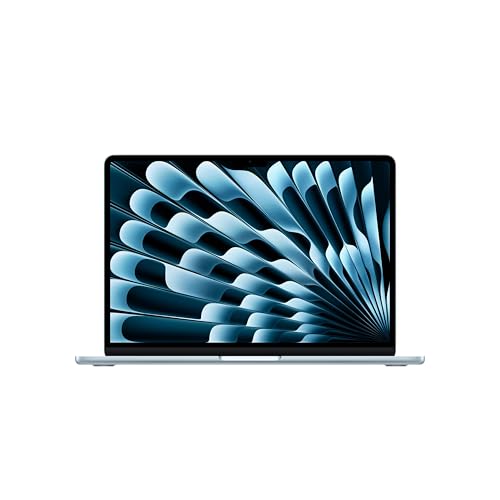
The MacBook Air M5 Sky Blue is the same computer as the Midnight version, and that is important because the finish does not change the capabilities. It has the same thin 0.44-inch profile, the same listed 2.71-pound weight, and the same M5 platform. The difference is simply the Sky Blue enclosure.
The useful configuration is the combination of 16GB unified memory and a 512GB SSD. That gives the laptop more room for large projects and simultaneous applications than the MacBook Neo models. Apple describes the M5 as providing a faster CPU, a next-generation GPU with Neural Accelerators, and a Neural Engine for AI workloads. Those resources make the Air a more natural choice for photo work, editing, and heavier multitasking.
The 13.6-inch Liquid Retina display supports 1 billion colors and is well suited to visual work, presentations, and streaming. The 12MP Center Stage camera can keep the speaker in frame and offers Desk View, while the three-mic array and four-speaker system support clearer calls and richer playback. Two Thunderbolt 4 ports, MagSafe, a headphone jack, Wi-Fi 7, Bluetooth 6, and support for up to two external displays make it capable at a workstation.
The limitations are the same as the Midnight model. There are only two Thunderbolt 4 ports, so a hub may be necessary for a desk with several peripherals. macOS is also a serious compatibility consideration for users tied to Windows applications. The MacBook Air is a better creative machine than the MacBook Neo, but the Dell Latitude 5350 is preferable when Windows Pro administration is essential.
Choose Sky Blue if you want the MacBook Air's full specification and prefer this finish. The Midnight model is not faster or better equipped, so it is only the alternative for a different appearance.
How to choose best 13 inch laptop
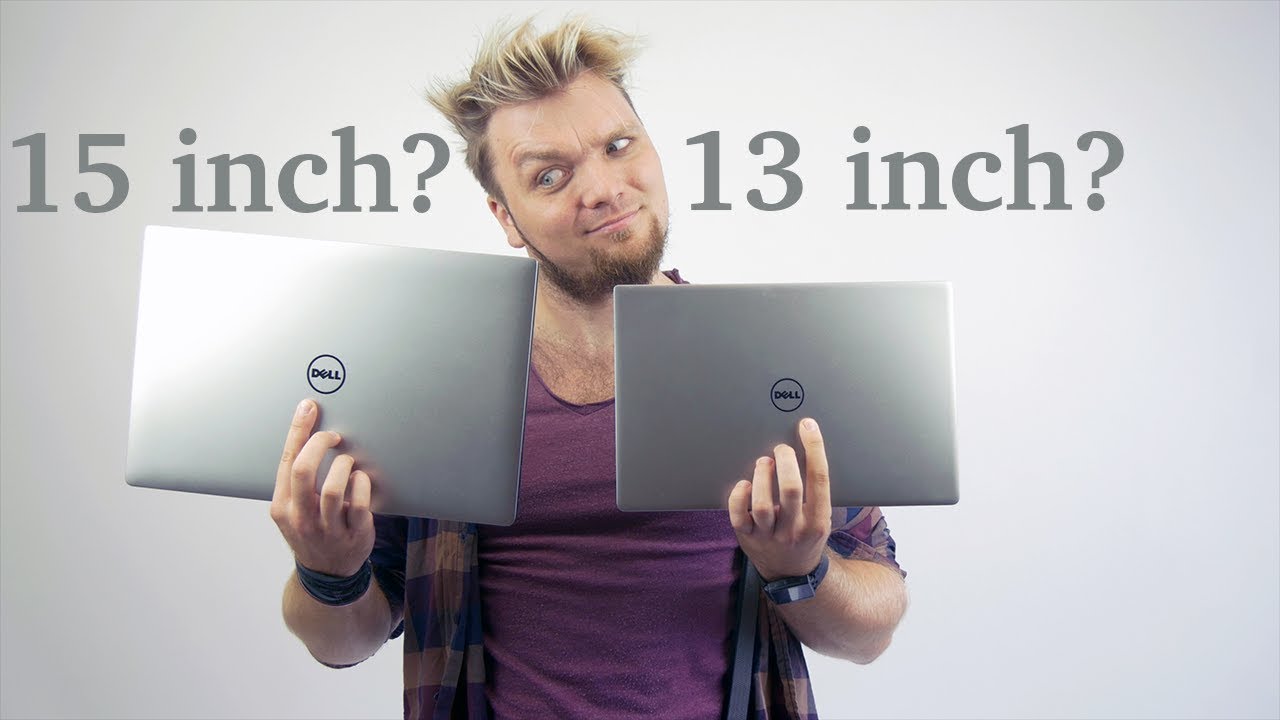
The right small laptop balances portability with the hardware you will still appreciate after the novelty wears off.
Processor platform
The processor affects application responsiveness, multitasking, graphics capability, and battery behavior. Apple's M5 and A18 Pro, Qualcomm's Snapdragon X Plus, and Intel's Core Ultra 7 represent newer platform approaches, while the renewed Dell models use older Intel generations that are better suited to conventional work.
Look beyond a maximum clock speed. Core count, integrated AI hardware, operating system compatibility, and the age of the platform all matter. A current midrange processor can be a better everyday fit than an older chip with a higher quoted boost figure.
Memory capacity
Memory determines how comfortably a small laptop handles browser tabs, video calls, documents, and creative applications at the same time. The Dell Latitude 5350 and MacBook Air models lead this group with 32GB and 16GB respectively, while the MacBook Neo and Surface Laptop 13 have 8GB.
Eight gigabytes can work for light school and home use, but it leaves less room for growth. Choose 16GB if you expect to keep a laptop for several years or regularly move between many demanding applications.
On a 13-inch laptop, extra memory usually matters more than a slightly faster quoted processor speed.
Storage type and capacity
A 256GB drive can handle a basic application set, but it requires more active file management. The 512GB SSD configurations in the MacBook Air, Dell Latitude 3340, Latitude 5320, and Latitude 7310 provide more space for documents, photos, and local projects. The Dell Latitude 5350 goes to 1TB.
Storage type matters too. PCIe NVMe and PCIe SSDs are designed for fast boot and file access. The Surface Laptop 13 uses 256GB UFS storage, while the older Dell listings use PCIe NVMe SSDs. Consider both the capacity and the kind of files you keep locally.
Display and touch input
A 13-inch screen can still be comfortable when its resolution and panel quality are appropriate. Full HD at 1920 by 1080 is a practical baseline for documents. The Dell Latitude 3340 adds 300 nits, anti-glare treatment, and 72% NTSC coverage, while the MacBook Air and Neo use Liquid Retina displays with support for 1 billion colors.
Touch input is worthwhile for direct navigation, note-taking, presentation control, and convertible modes. It adds less if you always use a keyboard and trackpad. The Latitude 3340 is the flexible choice, while the MacBook models are traditional clamshell laptops.
Operating system and software
macOS is a strong fit for users already invested in Apple devices and applications. Windows 11 Pro is the safer choice for business tools, organization management, and software that requires Windows. Snapdragon Windows systems can be excellent for mobile work, but specialist applications and older drivers deserve a compatibility check before purchase.
If your laptop will mainly handle papers, browsing, and video calls, the operating system may come down to the devices you already use. For students comparing screen size and portability across a wider range, how much room a larger compact laptop needs can also clarify whether 13 inches is the right target.

Frequently asked questions
Is a 13-inch laptop large enough for work?
Yes, for documents, web browsing, video calls, coding, and many creative tasks. A 13.3-inch FHD screen provides a usable workspace, while the 13.6-inch MacBook Air offers a little more diagonal room. Users who rely on large spreadsheets or several windows side by side may prefer an external display.
Which laptop here has the most memory?
The Dell Latitude 5350 has 32GB of DDR5 memory. The MacBook Air M5 models and Dell Latitude 3340 provide 16GB, while the Surface Laptop 13, MacBook Neo models, and Dell Latitude 5320 512GB use 8GB configurations.
Are renewed Dell laptops suitable for everyday work?
They can be, especially for browsing, documents, email, and video calls. The renewed Dell models in this list use older Intel processors, so they are not as current as the Latitude 5350 or Latitude 3340. Check the condition details, included accessories, and warranty terms before ordering.
Does every laptop in this list have a touchscreen?
No. The Dell Latitude 5350, Surface Laptop 13, Dell Latitude 3340, Dell Latitude 5320 Touch 256GB, and Dell Latitude 7310 have touchscreens according to their listings. The Dell Latitude 5320 512GB is listed with a non-touch display, and the Apple laptops are not described as touch models.
Which compact laptop has the largest storage capacity?
The Dell Latitude 5350 has a 1TB PCIe SSD. The MacBook Air M5 models, Dell Latitude 3340, Dell Latitude 5320 512GB, and Dell Latitude 7310 each have 512GB of listed SSD storage.
Is the MacBook Neo suitable for college work?
The MacBook Neo is suited to writing, web research, presentations, video calls, streaming, and other everyday student tasks. Its 8GB of unified memory and 256GB SSD are less comfortable for demanding creative applications or large local libraries. Students needing more headroom should consider the MacBook Air M5.
What should Windows users check before choosing the Surface Laptop 13?
The Surface Laptop 13 uses a Snapdragon X Plus processor, so it is an ARM-based Windows machine. Common applications may work well, but specialist software, older programs, and hardware drivers should be checked for compatibility. Its 8GB memory and 256GB UFS storage also favor lighter workloads.
The bottom line
The Best best 13 inch laptop for most people here is the MacBook Air M5 Midnight, or the identical Sky Blue model if that finish appeals more. It combines strong performance, 16GB of unified memory, 512GB of SSD storage, a high-quality Liquid Retina display, a 12MP Center Stage camera, and useful external-display support in a genuinely portable design.
Windows users should choose the Dell Latitude 5350 when business software, Windows 11 Pro, 32GB of memory, and 1TB of storage matter most. The Dell Latitude 3340 2-in-1 is the better specialist pick for touch input and tablet modes, while the MacBook Neo models suit lighter Apple-focused work.
If you are undecided, choose the MacBook Air M5 for the broadest capability, or the Latitude 5350 when Windows compatibility is non-negotiable.
As an Amazon Associate we earn from qualifying purchases.