

A tracker can count your steps all day and still tell you very little about why you feel tired, recover slowly, or lose momentum after a few weeks. The useful distinction is whether you want a quiet health coach, a watch-like screen, or a simple record of movement and sleep.
Our Best best activity tracker picks range from screenless WHOOP devices to the bright Xiaomi Mi Smart Band 10 and straightforward fitness watches with notification support. The right one depends on how much guidance you want from the accompanying app.
The single best pick is the WHOOP Peak, with the Fitbit Charge 6 close behind for shoppers who want a conventional tracker with built-in GPS and Google features. The list covers serious recovery tracking, everyday activity monitoring, sleep analysis, and basic step counting.
Comparison table
| # | Product | Award | Display | Battery | Best for |
|---|---|---|---|---|---|
| 1 | WHOOP Peak | Best overall | Screenless | Up to 14+ days | Recovery-focused coaching |
| 2 | Fitbit Charge 6 | Best conventional tracker | Screen not specified | Not specified | GPS workouts and daily health |
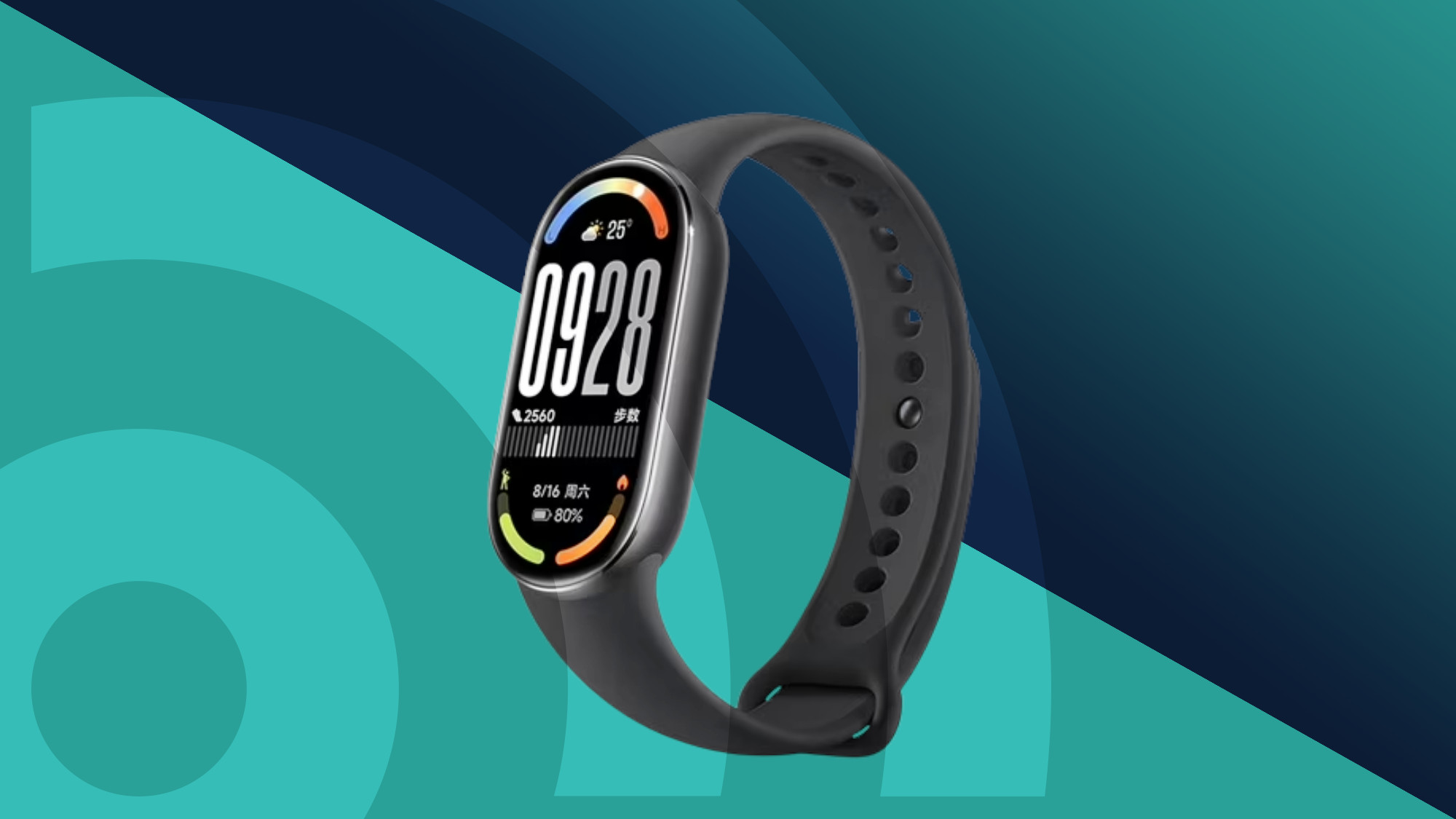
| 3 | Xiaomi Mi Smart Band 10 | Best battery life | 1.72-inch AMOLED | Up to 21 days | Long-lasting everyday tracking |
| 4 | WHOOP Life | Best advanced heart insights | Screenless | Up to 14+ days | ECG and cardiovascular monitoring |
| 5 | WHOOP One | Best focused WHOOP entry | Screenless | Up to 14+ days | Screen-free training guidance |
| 6 | Bestinn Graphite Smart Watch | Best watch-style feature set | 1.58-inch touchscreen | Not specified | Notifications and broad sport modes |
| 7 | Bestinn Champagne Smart Watch | Best customizable watch face | 1.58-inch touchscreen | Not specified | A dressier watch-style tracker |
| 8 | Moremore Fitness Tracker | Best AMOLED budget tracker | 1.1-inch AMOLED | Up to 7 days | Broad activity tracking |
| 9 | LIVIKEY Fitness Tracker | Best simple tracker | 1.3-inch display | 5 to 7 days | Steps, sleep, and alerts |
| 10 | ZKSSGY Fitness Tracker | Best compact feature mix | 1.1-inch AMOLED | Not specified | Basic health and message alerts |
1. WHOOP Peak: Best Overall

Pros
- Screenless design avoids constant notifications
- Up to 14+ days of battery life
- Personalized Sleep, Strain, and Recovery guidance
- Tracks more than 300 daily behaviors
- Includes a Wireless PowerPack
Cons
- No on-device display for quick step or workout checks
- Requires a WHOOP membership for its main insights
- Coaching can be more involved than casual users need
Best for: people who want recovery and sleep guidance rather than a smartwatch on their wrist.
The WHOOP Peak is the pick for someone who wants a tracker to disappear into daily life. There is no screen, buzzing notification, or temptation to turn a walk into another phone-checking session. Its role is to collect continuous data and make sense of it later through the WHOOP app.
WHOOP says the device monitors heart rate every second and uses that stream for Sleep, Strain, Recovery, VO2 max, menstrual cycle, and heart rate insights. That matters because the device is less interested in a single step total than in the relationship between exertion, sleep, stress, and readiness. Its real-time stress monitor and Journal, which supports more than 300 daily behaviors, give the app a way to connect routines with changes in recovery.
Battery life is one of the strongest practical details here. The WHOOP 5.0 device is rated for up to 14+ days, and the included waterproof Wireless PowerPack is designed to charge it while it remains in use. That makes continuous wear much easier than a tracker that must be removed and placed on a charger every few days. Apple Health, Google Health Connect, Strava, and Natural Cycles integrations also help keep its data connected to the rest of your routine.
Compared with the Fitbit Charge 6, the Peak offers more specialized recovery coaching but gives up built-in GPS, on-device controls, and the convenience of seeing a workout metric immediately. The WHOOP One follows the same screenless philosophy, while the Peak adds the broader health and coaching package that makes it the more complete choice in this group.
The weakness is fundamental: this is not a watch. You cannot glance at it for the time, follow directions, or check a step count without opening the app. Skip it if you want independent workout tracking or dislike subscription-based coaching. Choose it if you want a quiet device that turns sleep and training data into daily decisions.
2. Fitbit Charge 6: Best Conventional Tracker

Pros
- Built-in GPS for runs and rides
- More than 40 exercise modes
- Tracks Active Zone Minutes and Daily Readiness
- Google Maps and Google Wallet support
- Smart Wake alarm and personalized Sleep Score
Cons
- Some coaching features require Google Health Premium
- Product data does not specify battery life
- Less focused on deep recovery coaching than WHOOP
Best for: people who want a familiar wrist tracker with GPS, exercise modes, and useful Google features.
The Fitbit Charge 6 is the easiest recommendation for readers who want a traditional activity tracker rather than a screenless sensor. It has a practical balance of exercise tracking, sleep tools, notifications, and everyday smart functions. You can use it as a quiet health companion, but it still has enough independence for a run or ride away from your phone.
Its built-in GPS is the major separator. The Charge 6 can record outdoor routes without relying on a phone being carried during the workout, while its more than 40 exercise modes cover common training activities. All-day activity tracking, automatic exercise recognition, 24/7 heart rate, calories, Active Zone Minutes, and Daily Readiness make it a broad general-purpose tracker rather than a device built around one training philosophy.
The sleep features are equally approachable. Fitbit provides a personalized Sleep Score, stress management information, and a Smart Wake alarm designed to wake you more naturally. Google Maps adds turn-by-turn directions for runs and rides, while Google Wallet supports tap-to-pay. You can also control YouTube Music from the tracker, although the data does not specify the device's battery life, so charging expectations are less clear than with Xiaomi or WHOOP.
The WHOOP Peak is more ambitious about linking habits to recovery, but it has no screen and no built-in GPS. The Xiaomi Mi Smart Band 10 lasts longer and has a brighter, larger display, yet the Charge 6 has the more established mix of GPS, Google services, and readiness features. That makes it the most sensible middle ground for someone who does not want to choose between fitness data and basic smartwatch conveniences.
The limitation is that the experience is not completely self-contained. Google Health Premium coaching is sold separately after the included three-month trial, and users who want the deepest possible recovery analysis may find WHOOP more compelling. The Charge 6 suits the buyer who wants a conventional tracker that handles daily movement, sleep, and outdoor workouts without demanding a screenless lifestyle.
3. Xiaomi Mi Smart Band 10: Best Battery Life

Pros
- Up to 21 days of battery life
- Bright 1.72-inch AMOLED display
- 1500 nits HBM brightness
- Supports touchscreen interaction and HyperOS 2
- Swimming direction tracking with an electronic compass
Cons
- Xiaomi Fit app supports the metric system only
- Imperial measurements require a third-party connection
- Less personalized coaching than WHOOP
Best for: users who want a bright screen and long battery life for everyday activity and sleep tracking.
The Xiaomi Mi Smart Band 10 is the practical choice for anyone who hates charging wearables. Its headline feature is not a clever coaching system. It is the ability to put the tracker on your wrist and leave it there for up to 21 days, then fully recharge it in about an hour.
The 1.72-inch AMOLED display gives it a very different character from the WHOOP models. You can see activity information and interact with the touchscreen directly, while the 1500 nits HBM brightness is intended to keep messages readable in direct sunlight. The display also uses thin 2.0mm bezels and a 73 percent screen-to-body ratio, details that help explain why the band can show more information without looking like a miniature phone.
Xiaomi includes multi-sport tracking, heart rate monitoring, sleep analysis, and an electronic compass aimed at improving swimming direction tracking. HyperOS 2 handles the interface and connected experience. For people who train in a pool or want to inspect sleep stages without opening a phone, those details give the Mi Smart Band 10 more immediacy than the screenless WHOOP devices.
The Fitbit Charge 6 is a better fit for built-in GPS and Google Maps, while the WHOOP Peak offers more detailed behavior-based coaching. The Xiaomi wins on battery endurance and display visibility. It also makes a stronger case for readers who want a wearable that can show information at a glance instead of merely collecting it for an app.
There is a frustrating software limitation. The Xiaomi Fit app supports the metric system only, and the listing says users must connect through a third-party app and Google Fit to show imperial measurements such as pounds, ounces, inches, and feet. That is a meaningful drawback for some readers. Choose the Mi Smart Band 10 if long battery life, a bright display, and straightforward activity tracking matter more than advanced coaching.
4. WHOOP Life: Best Advanced Heart Insights

Pros
- Includes on-demand ECG readings
- Provides daily blood pressure estimates
- Irregular heart rhythm notifications
- Up to 14+ days of battery life
- Includes a SuperKnit Luxe band and Wireless PowerPack
Cons
- No screen or watch-style features
- Medical insights should not replace professional care
- Its advanced health tools may be unnecessary for casual tracking
Best for: users who specifically want WHOOP's recovery system with additional heart-focused monitoring.
The WHOOP Life is the most health-focused device in this roundup. It keeps the screenless form and continuous wear approach of the other WHOOP models, but adds features aimed at people who want more information about heart rhythm and cardiovascular trends.
Its defining feature is the Heart Screener with on-demand ECG. The listing says the tracker can take an ECG reading from the wrist in seconds to check for signs of atrial fibrillation. It also provides daily systolic and diastolic blood pressure estimates using overnight analysis and can send irregular heart rhythm notifications when it detects a potential change in the background.
Those features sit alongside the broader WHOOP system. The device monitors heart rate continuously and feeds Sleep, Strain, Recovery, VO2 max, menstrual cycle, and stress insights into the app. WHOOP AI analyzes more than 140 metrics to produce guidance that adapts as the user's habits and body change. Battery life is up to 14+ days, and the included Wireless PowerPack supports charging while the tracker remains in use.
The WHOOP Peak is the more balanced WHOOP recommendation because it offers the core coaching experience without making heart screening the central reason to buy. The WHOOP One is also a better fit for a buyer who wants core health monitoring and a simpler package. Life is the clear choice when the added ECG, blood pressure estimates, and irregular rhythm notifications are the features that justify its place on your wrist.
It is important not to treat wearable readings as a diagnosis. People who do not need these additional heart features may find the screenless design and membership model harder to justify than the Fitbit Charge 6 or Xiaomi Mi Smart Band 10. For a buyer who wants the most advanced health monitoring in this particular set, though, WHOOP Life is the standout.
5. WHOOP One: Best Focused WHOOP Entry

Pros
- Screenless and distraction-free
- Up to 14+ days of battery life
- Tracks heart rate, blood oxygen, and skin temperature
- Includes HRV monitoring and health alerts
- Supports Apple Health, Google Health Connect, Strava, and Natural Cycles
Cons
- No display, GPS, or wrist notifications
- Wireless PowerPack is an add-on rather than included
- Requires membership access for the main experience
Best for: people who want WHOOP's core coaching and recovery tools in a focused package.
The WHOOP One strips the activity tracker down to its most important job: gathering health and training data continuously, then turning it into recommendations. The screenless design is refreshing for anyone who finds wrist notifications distracting. It also means you will need to reach for your phone whenever you want to inspect your information.
WHOOP 5.0 monitors heart rate every second and provides Sleep, Strain, Recovery, VO2 max, menstrual cycle, and stress insights. The Health Monitor includes heart rate, blood oxygen, and skin temperature, while HRV monitoring helps the app recommend daily Strain targets that match your recovery state. The Journal can record more than 300 behaviors, giving users a detailed way to look for patterns in their habits.
Battery life is up to 14+ days, which supports the continuous-wear concept. The package includes a CoreKnit performance band and Basic Charger. The listing says users can add a waterproof Wireless PowerPack for charging on the go, but that accessory is not part of the listed package, so charging is less flexible than with the WHOOP Peak.
Compared with the WHOOP Peak, the One is the simpler choice because Peak includes a Wireless PowerPack and presents a broader package. Compared with the Fitbit Charge 6, One provides more specialized recovery guidance but loses the convenience of GPS, Google Maps, and a conventional tracker screen. It is also less medically focused than WHOOP Life, which adds ECG and daily blood pressure estimates.
The main reason to skip it is the same reason some people will love it: there is nothing to glance at on the wrist. If you want immediate workout data, calls, or directions, buy a display-based tracker. If you want a quiet sensor and coaching that emphasizes the link between behavior, sleep, and readiness, the One is the most focused WHOOP option here.
6. Bestinn Graphite Smart Watch: Best Watch-Style Feature Set

Pros
- 1.58-inch touchscreen with always-on display
- More than 120 exercise modes
- Tracks heart rate, blood pressure, blood oxygen, and sleep
- Supports phone notifications and incoming call alerts
- Includes reminders, weather, music control, and remote camera functions
Cons
- GPS route tracking depends on a connected phone
- The listing does not specify battery life
- Health readings should be treated as general information
Best for: users who want a watch-like screen, broad exercise mode support, and everyday phone alerts.
The Bestinn Graphite Smart Watch behaves more like a small smartwatch than a dedicated recovery band. The 1.58-inch touchscreen, side button, and always-on display make basic interactions easy, while more than 250 watch faces give it a highly customizable appearance.
The health feature list is broad. Bestinn says the watch monitors heart rate, blood pressure, blood oxygen, and sleep, including light and deep sleep stages and wake time. It also tracks steps, distance, and calories throughout the day. Those are useful categories for a general activity routine, though the listing does not provide accuracy claims or medical validation for the health readings.
Exercise coverage is extensive on paper, with more than 120 sports modes. The watch can show incoming calls and messages, and it includes water and sedentary reminders, breath training, weather, music control, a timer, stopwatch, alarm, phone finder, and remote camera shooting. GPS route mapping works by connecting to the phone's GPS, so it is not the same as having independent route recording.
The Bestinn Champagne Smart Watch has the same feature set and display specification, making the graphite version the more neutral pick for this list. The LIVIKEY Fitness Tracker is simpler and provides more clearly stated 5 to 7 day battery life, while the Bestinn offers far more sport modes and watch functions. The Fitbit Charge 6 has fewer listed modes but brings built-in GPS and a more established Google ecosystem.
Battery life is not specified, which makes it difficult to plan around charging. The watch is compatible with Android 4.4 and iOS 8.4 or later, and the replaceable, washable strap with secure clasp should make everyday wear manageable. Choose it for the large display and feature count, not for medical decisions or serious training analysis.
7. Bestinn Champagne Smart Watch: Best Customizable Watch Face

Pros
- Large 1.58-inch touchscreen
- More than 250 watch face options
- Tracks heart rate, blood pressure, blood oxygen, and sleep
- More than 120 sports modes
- Includes call, message, weather, and sedentary alerts
Cons
- Phone GPS is required for workout route maps
- Battery life is not specified
- The health feature list is broad but not deeply explained
Best for: shoppers who want a watch-style tracker with a customizable appearance and many everyday tools.
The Bestinn Champagne Smart Watch is the style-oriented twin to the graphite model above. Its hardware and feature list are nearly identical, but the champagne finish gives it a more decorative appearance. The important experience is the same: a 1.58-inch touchscreen, side button, always-on clock, and a large collection of customizable watch faces.
For activity tracking, it covers steps, distance, calories, and more than 120 sports modes. It also monitors heart rate, blood pressure, blood oxygen, and sleep stages. The combination is appealing to someone who wants one device for daily movement, notifications, and basic health information rather than a tracker designed around one detailed training metric.
Its smart functions are unusually extensive for this tier of watch. Water and sedentary reminders, breath training, weather, music controls, a timer, stopwatch, phone finder, remote camera shooting, and alarms all appear in the feature list. Call and message alerts arrive from a connected Android or iPhone, but the watch does not claim to replace the phone for independent communications.
The Bestinn Graphite Smart Watch is the better visual match for a neutral wardrobe, but there is no meaningful capability difference between the two. The Moremore Fitness Tracker offers a smaller AMOLED display and fewer sports modes, while the Bestinn watches provide a larger screen and more than 120 activity choices. The Xiaomi Mi Smart Band 10 is slimmer in concept and has much more clearly stated battery endurance.
The missing battery specification is the key drawback. It also relies on the phone's GPS for route maps, so runners and cyclists who want independent tracking should look at the Fitbit Charge 6. Pick this version if appearance and watch-style functions matter as much as step and sleep tracking.
8. Moremore Fitness Tracker: Best AMOLED Budget Tracker

Pros
- 1.1-inch AMOLED touch color screen
- 25 sports modes
- Tracks heart rate, blood pressure, blood oxygen, and sleep
- Up to 7 days of regular battery life
- Supports notification alerts and custom watch faces
Cons
- No built-in GPS is listed
- The display is smaller than the Bestinn watches and Xiaomi band
- Health measurements are not presented as medical diagnoses
Best for: users who want a bright AMOLED screen and broad health tracking in a compact watch.
The Moremore Fitness Tracker is a compact middle ground between a simple step band and a watch-style device. Its 1.1-inch AMOLED touch color screen should make health and activity information easier to read than on a basic monochrome tracker, without the larger footprint of the Bestinn models.
Moremore lists 24/7 heart rate, blood pressure, blood oxygen, and sleep tracking. The sleep feature analyzes deep, light, and awake time and provides a nightly sleep score in the app. For workouts, there are 25 sports modes, including walking, running, dancing, and yoga, with steps, heart rate, distance, and calories recorded during activity.
Battery life is more clearly defined here than on either Bestinn watch. Regular use lasts up to 7 days, with up to 15 days of standby time, and magnetic charging takes 1 to 2 hours. The tracker works with Android 5.0 and iOS 9.0 or later. App notifications, incoming call alerts, water and sedentary reminders, alarms, a stopwatch, device finding, and remote photo control round out the daily feature set.
The ZKSSGY Fitness Tracker has the same 1.1-inch AMOLED size and a similar 25-mode activity list, but Moremore provides a clearer regular-use battery claim and offers blood pressure tracking in its feature list. The LIVIKEY Fitness Tracker is simpler, with nine sport modes, but its 5 to 7 day battery range is similarly easy to understand. For more advanced coaching, the WHOOP Peak remains in another category entirely.
Moremore is not the right pick for someone who needs independent GPS or a deeply developed training platform. Its strength is the balanced specification: a readable AMOLED screen, useful health categories, a reasonable battery claim, and enough sport modes for ordinary exercise. It is a sensible choice for users who want more than steps without moving to a full smartwatch.
9. LIVIKEY Fitness Tracker: Best Simple Tracker

Pros
- Clear focus on steps, sleep, and heart rate
- Nine sport modes
- 5 to 7 days of continuous use
- IP68 waterproof rating for sweat, hand washing, and rain
- Includes message alerts and sedentary reminders
Cons
- Cannot make calls or send texts
- Only nine sport modes
- Not compatible with tablets or computers
Best for: people who want a basic tracker for daily movement, sleep, and phone notifications.
The LIVIKEY Fitness Tracker is refreshingly straightforward. It is built around automatic heart rate monitoring, sleep analysis, steps, distance, calories, and active time. There is no attempt to compete with WHOOP's coaching or the Fitbit Charge 6's Google features. That narrow focus can be useful if you want a tracker that is easy to understand.
The tracker monitors sleep through deep sleep, light sleep, and awake time, and the app can be used to set a daily step goal. Nine sport modes cover activities such as running and walking. That is a much smaller menu than the 120-plus modes on the Bestinn watches, but it may be enough for someone whose routine does not change much from week to week.
Battery life is stated as 5 to 7 days of continuous use, with a charging time of about 2 hours. The IP68 rating is described as suitable for daily sweat, washing hands, and rainy days. It also supports SMS and social notification alerts, although LIVIKEY explicitly says the watch cannot make calls or send texts.
The Moremore Fitness Tracker is a stronger choice for a brighter AMOLED display and 25 sport modes, while the Xiaomi Mi Smart Band 10 is the obvious step up for much longer battery life. LIVIKEY is less complicated than both. If your main goal is to build a walking habit and observe sleep patterns, the extra features on those models may not improve the experience.
The limitations are easy to identify. It does not support tablets or computers, the sport selection is small, and it is not a substitute for a phone. Choose it when simple daily tracking matters more than advanced workout tools. Readers focused mainly on steps can also explore how daily movement data is most useful for setting realistic goals.
10. ZKSSGY Fitness Tracker: Best Compact Feature Mix

Pros
- 1.1-inch AMOLED color touchscreen
- Heart rate, blood oxygen, and sleep monitoring
- More than 20 sports modes
- Supports 70 or more watch faces
- IP68 waterproof rating and message alerts
Cons
- The listing does not specify battery life
- Requires the Keep Health app
- Stores only the last five exercise records
Best for: users who want a small AMOLED tracker with basic health monitoring and message alerts.
The ZKSSGY Fitness Tracker offers a familiar feature mix in a compact format. Its curved 1.1-inch AMOLED touchscreen is large enough for basic interactions, and the listing says it supports more than 70 cloud-based watch faces along with custom photos. That makes it more personal than a tracker that locks you into one static design.
Its health tools cover 24-hour heart rate and blood oxygen monitoring, plus sleep analysis for deep sleep, light sleep, and awake periods. All-day tracking records steps, distance, and calories. The tracker also provides analysis intended to help users adjust their exercise and daily habits, though the listing does not provide detailed information about how those measurements are calculated.
There are more than 20 sport modes, including walking, running, cycling, indoor running, and free training. The watch stores the last five exercise records, which is enough for occasional reference but less useful for someone who wants a large history directly on the device. Message notifications cover SMS and several social apps, and incoming calls can be rejected from the watch.
The Moremore Fitness Tracker is the closest comparison. Both use a 1.1-inch AMOLED display and offer broad health and activity features, but Moremore states support for 25 sports modes and gives a regular battery-life estimate. The Bestinn Graphite Smart Watch has a larger screen and more than 120 modes, while the LIVIKEY Fitness Tracker offers a simpler experience with a clearly stated 5 to 7 day battery range.
ZKSSGY requires the Keep Health app, and the listing tells new users to charge the device first to activate it. Battery life is not specified, so buyers should be prepared for some uncertainty there. It is a reasonable fit for someone who values a compact screen, customizable watch faces, and routine health notifications, but not for a serious athlete building a detailed training archive.
How to choose best activity tracker
The right tracker should make your routine easier to understand, not bury you under numbers you will never use. Focus on the display, sensor coverage, battery behavior, workout support, and the quality of the app experience.
Display and interaction
A screenless tracker such as the WHOOP Peak or WHOOP One removes notifications and keeps attention on the app. That is useful for sleep and recovery tracking, but it cannot show steps, time, or workout data at a glance.
A display-based tracker is better when you want immediate information. The Xiaomi's 1.72-inch AMOLED screen is the largest listed here, while the Bestinn watches use 1.58-inch touchscreens. The Moremore and ZKSSGY models use 1.1-inch AMOLED displays. Brightness matters outdoors, and Xiaomi is the only model in this group with a stated 1500 nits HBM figure.
Health sensors and interpretation
Heart rate, blood oxygen, sleep, and blood pressure appear across several products, but a longer feature list does not automatically mean more useful guidance. WHOOP builds its system around continuous heart rate, HRV, Sleep, Strain, and Recovery trends. WHOOP Life goes further with an on-demand ECG, daily blood pressure estimates, and irregular rhythm notifications.
The other trackers present health metrics mainly through their companion apps. Treat those readings as general wellness information rather than a medical diagnosis. Anyone concerned about a heart rhythm or blood pressure should discuss results with a qualified clinician.
Battery and charging
Battery life determines whether sleep tracking becomes a habit or an occasional experiment. Xiaomi leads this list with up to 21 days and an approximately one-hour full recharge. WHOOP lists up to 14+ days and supports charging through an included power accessory on some packages.
Moremore lists up to 7 days of regular use, while LIVIKEY specifies 5 to 7 days. Bestinn and ZKSSGY do not specify battery life in the provided product information. A clear battery claim is preferable when continuous sleep and activity tracking are the goal.
The best battery is the one that lets you keep wearing the tracker through the night, not the one with the most impressive number on the box.
Workout tracking and GPS
Count the exercise modes that match your actual routine, not the largest number in a listing. Fitbit Charge 6 includes more than 40 exercise modes and built-in GPS, which makes it the strongest conventional option for runners and cyclists who want route tracking without carrying a phone.
Bestinn advertises more than 120 sports modes, but its GPS route feature depends on a connected phone. Moremore and ZKSSGY cover common activities with 25 and more than 20 modes respectively. LIVIKEY lists nine modes, which is enough for walking and running but less flexible for varied training.
App and coaching
A tracker is only as useful as the explanation attached to its measurements. WHOOP uses AI coaching, a Journal for more than 300 behaviors, and integrations with Apple Health, Google Health Connect, Strava, and Natural Cycles. Fitbit offers Daily Readiness, Sleep Score, stress management, Google Maps, and Google Wallet.
The smaller brands focus more on dashboards, alerts, watch faces, and basic records. That can be perfectly adequate for a step goal or a simple sleep log. If sleep is your main concern, compare how much guidance you want from the app and consider the difference between sleep data and useful sleep coaching.
Comfort and wearability
Continuous tracking requires a band you can tolerate overnight and during exercise. Screenless WHOOP devices are designed around uninterrupted wear, while the listed smart watches use replaceable or standard-style straps. Waterproof claims vary, so read the exact wording rather than assuming every tracker is suitable for swimming.
A larger display can improve readability but may feel more noticeable in bed. Smaller AMOLED bands are easier to ignore, while the Xiaomi Mi Smart Band 10 adds a large screen without adopting the full smartwatch approach.
Frequently asked questions
Do activity trackers monitor sleep?
Several products in this roundup monitor sleep stages or sleep quality. WHOOP tracks sleep as part of a wider Sleep and Recovery system, while Fitbit, Xiaomi, Bestinn, Moremore, LIVIKEY, and ZKSSGY provide sleep-related tracking through their apps. The quality and depth of interpretation vary, so a sleep stage label should be treated as an estimate rather than a clinical measurement.
Which activity tracker has the longest battery life?
The Xiaomi Mi Smart Band 10 has the longest stated battery life in this selection, at up to 21 days on a charge. WHOOP Peak, WHOOP Life, and WHOOP One are listed at up to 14+ days. Moremore lists up to 7 days of regular use, and LIVIKEY lists 5 to 7 days.
Do these trackers have GPS?
Fitbit Charge 6 has built-in GPS. The Bestinn watches can use a connected phone's GPS for route mapping, but the listing does not describe independent GPS hardware. The other products do not list built-in GPS in the provided features.
Can these activity trackers measure blood pressure?
Bestinn, WHOOP Life, Moremore, and some of the other smaller trackers list blood pressure monitoring or estimates. Those readings should not be used to diagnose or manage a medical condition. WHOOP Life specifically lists daily systolic and diastolic estimates and an on-demand ECG, but professional medical advice remains essential.
Which tracker is best for someone who dislikes notifications?
WHOOP Peak, WHOOP Life, and WHOOP One are screenless and designed without buzzing notifications. They focus on collecting health and activity data for the companion app. The other trackers are better if you want incoming call or message alerts on your wrist.
Can I use these trackers with an iPhone?
The Bestinn watches list compatibility with iOS 8.4 or later. LIVIKEY supports iPhone and Android phones running the stated operating system versions, while Moremore supports iOS 9.0 or later. Fitbit, Xiaomi, WHOOP, and ZKSSGY also depend on their companion app and supported phone connections, so check current app compatibility before ordering.
Are activity tracker health readings medical measurements?
Fitness trackers are intended for wellness and activity information unless a product and its feature documentation specifically establish a different use. Even then, results can require interpretation and confirmation. Do not change treatment or ignore symptoms based only on a wrist reading.

The bottom line
The WHOOP Peak is the Best best activity tracker for readers who want meaningful recovery, sleep, and training guidance without a distracting screen. The Fitbit Charge 6 is the better fit for anyone who wants built-in GPS, exercise modes, Google Maps, and a conventional tracker experience.
Choose the Xiaomi Mi Smart Band 10 if long battery life and a bright AMOLED display matter most. Choose WHOOP Life only when its ECG, blood pressure estimates, and irregular rhythm notifications are central to what you want from a wearable. For simpler daily monitoring, the Moremore, LIVIKEY, and ZKSSGY models cover the basics with fewer demands.
If you are undecided, choose the Best best activity tracker that matches how you will actually check the data: WHOOP for coaching, Fitbit for GPS, or Xiaomi for a long-lasting screen.
As an Amazon Associate we earn from qualifying purchases.