

A drone that looks impressive in a listing can still be difficult to control, unstable in a breeze, or frustrating to frame through a phone. The Best best drone under 200 choices separate themselves with dependable hovering, useful safety features, and cameras that are more than decoration.
The DJI Mini 4K is our top pick for serious aerial footage, while the DJI Neo is the easiest way to get self-flying clips. Potensic's ATOM SE is the strongest alternative, and the remaining models cover built-in screens, GPS tracking, and simple first flights.
Comparison table
| # | Product | Award | Camera | Flight features | Best for |
|---|---|---|---|---|---|
| 1 | DJI Mini 4K | Best overall | 4K, 3-axis gimbal | GPS Return to Home, QuickShots | High-quality footage |
| 2 | DJI Mini 4K Combo | Best flight bundle | 4K, 3-axis gimbal | 10 km transmission, 62 minutes | Longer flying sessions |
| 3 | Potensic ATOM SE | Best DJI alternative | 4K EIS, Sony sensor | GPS, Follow Me, Waypoint Flight | Beginners wanting control |
| 4 | Karuisrc GPS Drone | Best built-in screen | EIS camera | GPS, Orbit, Follow Me | Phone-free flying |
| 5 | Loiley 2K Camera Drone | Best simple starter | 2K, adjustable angle | Optical Flow, Altitude Hold | First-time pilots |
| 6 | Lanvansrc F417PRO | Best screen toy drone | 1080p, adjustable lens | Three speeds, 3D flips | Kids and casual flying |
| 7 | DJI Neo | Best hands-free flying | 4K stabilized video | Subject Tracking, QuickShots | Vlogging and travel |
| 8 | Relidol PK01 | Best built-in-screen flyer | 1080p, adjustable lens | Flips, Waypoint, Emergency Stop | Fun family flights |
| 9 | Holy Stone HS175D | Best GPS learning drone | 4K, 110-degree lens | GPS Return, Follow Me | Learning GPS modes |
| 10 | Trinton Tech GPS Drone | Best tracking controls | EIS camera | Follow Me, Auto Return | Activity tracking |
1. DJI Mini 4K: Best Overall

Pros
- 4K video with a 3-axis gimbal
- GPS Return to Home and stable hovering
- QuickShots make polished clips simple
- Brushless motors and Level 5 wind resistance
Cons
- Standard package includes one battery
- DJI Fly must be downloaded from DJI rather than Google Play
- No obstacle avoidance feature is listed
Best for: beginners and travelers who want the most dependable camera platform in this group.
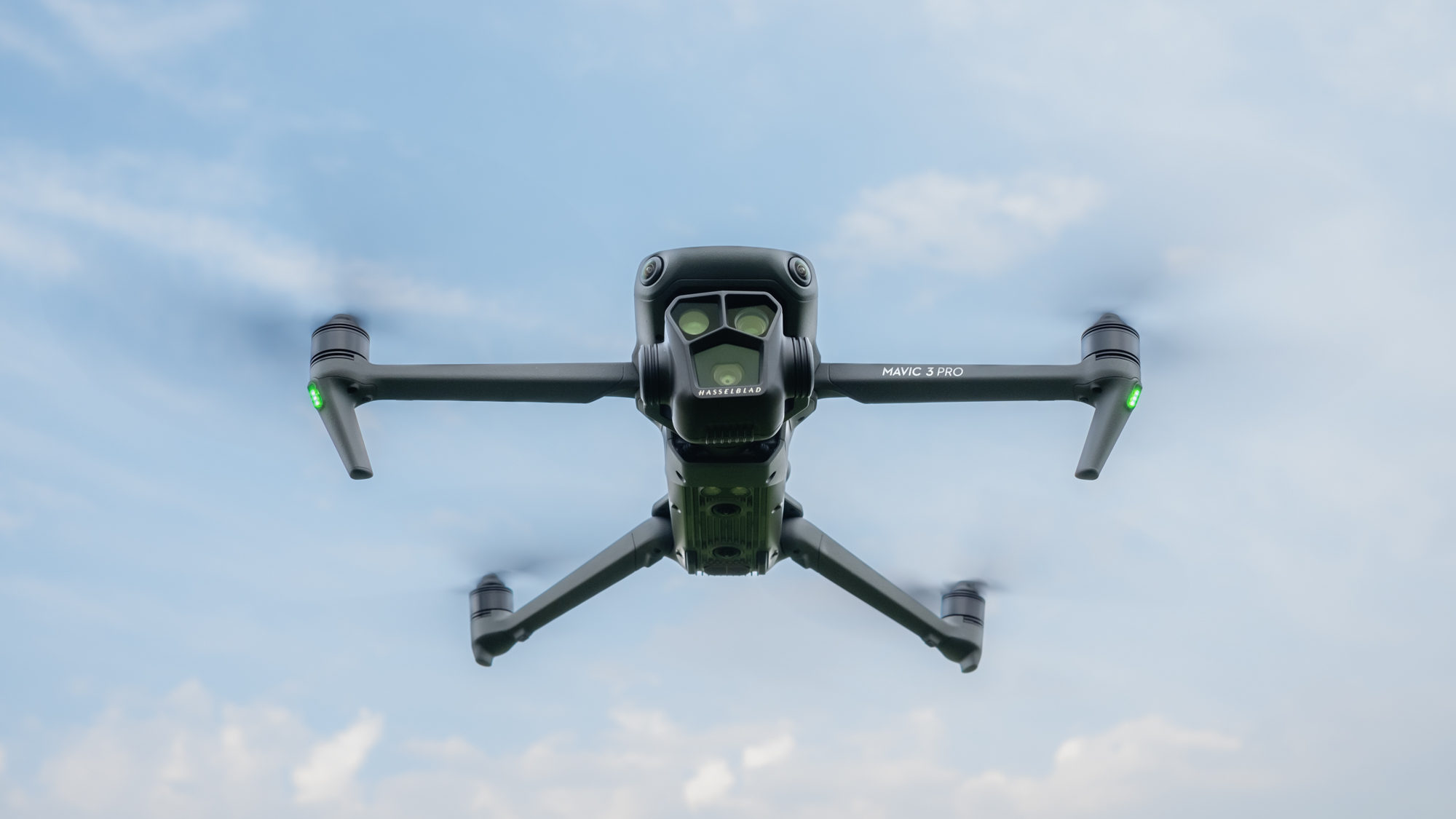
The DJI Mini 4K is the drone we would hand to someone who wants to learn once and keep using it after the novelty wears off. It folds into a travel-friendly shape, starts with one tap, holds position through GPS assistance, and gives a new pilot enough automation to concentrate on framing instead of wrestling with the controls.
Its 4K camera is supported by a 3-axis gimbal, which matters more than a headline resolution number. The gimbal keeps the horizon and video movement smoother as the aircraft tilts or changes direction. QuickShots adds Helix, Dronie, Rocket, Circle, and Boomerang modes, so a beginner can create repeatable camera moves without mastering every stick input. The camera also supports a vertical range from +20 to -90 degrees, according to the listed features.
The under-249-gram design, brushless motors, and stated Level 5 wind resistance give the Mini 4K a much more confident outdoor character than the Loiley 2K Camera Drone or Lanvansrc F417PRO. Its stated transmission range reaches 10 km, though real-world conditions and local flight rules matter. The included controller uses a phone for the live view, and DJI notes that Android users need to download DJI Fly from its official website.
The standard package has one battery with a listed flight time of 31 minutes. That is enough for a meaningful session, but it is the main reason to consider the DJI Mini 4K Combo instead. The Mini 4K also lacks a listed obstacle sensing system, so it still requires a careful pilot around trees, buildings, and people.
For the reader who wants one drone to learn on, travel with, and use for genuinely polished footage, the DJI Mini 4K remains the clear starting point. It is the strongest match for readers comparing the camera features that matter for aerial footage, not just the number printed beside the camera.
2. DJI Mini 4K Combo: Best Flight Bundle

Pros
- 4K camera with 3-axis gimbal stabilization
- Two batteries provide up to 62 minutes
- 10 km maximum HD video transmission
- Shoulder bag and spare parts included
Cons
- Still uses a phone-based live view
- No listed obstacle avoidance
- DJI Fly is not available through Google Play
Best for: pilots who want the DJI Mini 4K platform with fewer interruptions between flights.
The DJI Mini 4K Combo is not a different aircraft from the DJI Mini 4K. Its appeal is practical: two batteries, a shoulder bag, a propeller holder, and spare propellers make the package better suited to a full afternoon outside. That distinction is easy to overlook when comparing product titles, but it changes how often the pilot has to stop and wait.
The camera system stays excellent for this category. A 4K sensor and 3-axis gimbal give the Combo a stable foundation for landscape clips, family footage, and slow tracking shots. DJI's QuickShots modes include Helix, Dronie, Rocket, Circle, and Boomerang. They are useful when the pilot wants a cinematic movement without manually coordinating altitude, direction, and camera angle.
The Combo also carries the Mini 4K's under-249-gram design, brushless motors, GPS Return to Home, and stated Level 5 wind resistance. Its maximum HD video transmission is listed at 10 km, a specification that provides a strong connection margin in open areas but should never be treated as permission to fly beyond visual line of sight. The controller remains dependent on a connected phone for viewing and app control.
The listed maximum flight time is 62 minutes across the two batteries, with each battery rated for up to 31 minutes. Wind, movement, temperature, and reserve power will affect actual use. The lack of listed obstacle avoidance is the same weakness found on the standard Mini 4K, and DJI's app installation requirement adds a small setup hurdle for Android owners.
Choose this version over the standard DJI Mini 4K when the flying session matters as much as the first flight. The Potensic ATOM SE offers similar endurance and more flight modes, but the DJI Combo has the more reassuring camera and transmission package.
3. Potensic ATOM SE: Best DJI Alternative

Pros
- 4K video at 30 frames per second
- Sony 1/3-inch CMOS sensor
- Two batteries rated for 62 minutes total
- GPS, Follow Me, Waypoint, and Circle Flight
- Foldable design with brushless motor
Cons
- EIS is less mechanically effective than a gimbal
- 4 km transmission is shorter than DJI's listed range
- MicroSD card is not included
Best for: new pilots who want GPS flight modes, long sessions, and a capable alternative to DJI.
The Potensic ATOM SE is the most convincing non-DJI camera drone here. It feels aimed at a pilot who has moved past indoor toy drones but does not want the learning curve or ecosystem commitment that can come with a more advanced aircraft. The foldable body packs small, while brushless motors give it the authority needed for outdoor flying.
Its camera uses a 1/3-inch Sony CMOS sensor and records 4K video at 30 frames per second. Potensic uses electronic image stabilization, called ShakeVanish, rather than the DJI Mini 4K's 3-axis mechanical gimbal. EIS can smooth movement effectively, but it does not physically isolate the camera from the aircraft in the same way. That makes the ATOM SE a strong practical camera drone, though DJI remains the better pick for the cleanest motion.
The camera has a 118-degree field of view and a vertical angle from +20 to -90 degrees. The controller and PixSync 2.0 system support a listed 4 km transmission distance. Sport mode reaches a listed maximum speed of 16 meters per second, and the aircraft can switch among Beginner, Video, Normal, and Sport modes. That gives the pilot a sensible path from cautious practice to faster outdoor flights.
Two 2, 500mAh intelligent batteries are included, each rated for up to 31 minutes and 62 minutes together. GPS Auto Return responds to low power or lost signal, while Follow Me, Waypoint Flight, and Circle Flight add more creative options than the simpler Loiley and F417PRO. Firmware can be updated over the air, though camera-related updates require a microSD card that is not included.
The ATOM SE is the one to choose when flight control and battery coverage matter as much as video stability. It beats the Holy Stone HS175D on listed total flight time and offers a more flexible progression of flight modes. Pick the DJI Mini 4K instead if a 3-axis gimbal is the priority.
4. Karuisrc GPS Drone: Best Built-In Screen

Pros
- 4.5-inch HD screen built into the controller
- GPS Auto Return
- Follow Me, Waypoint, and Orbit modes
- Listed 400-meter control distance
Cons
- Camera resolution is not specified
- Transmission details are less complete than DJI's
- No battery duration is listed
Best for: pilots who want live video without pairing a separate phone.
The Karuisrc GPS Drone's defining feature is the controller. Its built-in 4.5-inch HD display removes the most common annoyance with entry-level FPV drones: finding a compatible phone, installing an app, and keeping the phone charged while flying. The screen also shows flight information alongside the live view.
The listed camera uses electronic image stabilization, but the product information does not state a recording resolution. That missing detail makes it difficult to recommend as a dedicated video tool alongside the DJI Mini 4K, DJI Neo, or Potensic ATOM SE. The camera is better understood as a way to see, frame, and record casual footage rather than as a clearly specified filmmaking system.
GPS adds useful structure to the flight. The drone supports Auto Return, Follow Me, Waypoint Navigation, and Orbit Mode. Its listed mapping capability is 250 meters, with a 400-meter control distance. Those figures are more modest than DJI's claimed transmission range, yet they are sensible features for a beginner who wants to practice predictable routes and activity shots.
The biggest gap is the missing flight-time specification. Battery capacity, wind performance, camera resolution, and storage support are not clearly supplied in the listed features. That does not make the drone unusable, but it means buyers should not confuse the excellent controller screen with a fully documented camera platform.
Choose the Karuisrc over the Trinton Tech GPS Drone when a built-in display is the main requirement and Orbit mode is useful. Choose DJI or Potensic when camera specifications and transmission behavior need to be clearer.
5. Loiley 2K Camera Drone: Best Simple Starter

Pros
- 2K camera with 90-degree remote adjustment
- Optical Flow positioning and Altitude Hold
- Two batteries provide approximately 26 minutes
- Folded size is listed as 5 by 3 by 2 inches
- Propeller guards and carrying bag included
Cons
- No GPS navigation
- Camera quality is below the 4K picks
- Listed weight is 1.1 pounds despite the under-250-gram claim
Best for: absolute beginners who want uncomplicated controls and short local flights.
The Loiley 2K Camera Drone is a straightforward first drone. One-touch takeoff and landing, headless mode, speed adjustment, and altitude hold make it less intimidating than the GPS models. It is the sort of aircraft suited to learning basic orientation and stick control before moving to longer outdoor flights.
The 2K camera has a 90-degree adjustable angle and sends a live view to a connected smartphone. Optical Flow positioning helps the drone maintain a steadier position, while Altitude Hold reduces the constant throttle corrections a new pilot would otherwise make. These systems are useful indoors or in calm conditions, but they are not a substitute for GPS when the aircraft is operating farther away or in wind.
Two rechargeable batteries provide approximately 26 minutes of combined flight time. The package also includes propeller guards, spare fan blades, remote control batteries, and a carrying bag. The product describes the folded drone as 5 by 3 by 2 inches, making it easy to carry on a walk or keep ready for an indoor practice session.
There is an important data inconsistency to keep in mind. The listing says the drone weighs under 250 grams and also describes it as avoiding FAA registration, while the product information lists 1.1 pounds. Those figures do not agree, so buyers should check the physical weight and current FAA requirements rather than relying on the marketing claim. The drone also has no listed GPS, Return to Home, or wind-resistance rating.
For a child, teenager, or adult learning the basics in a controlled setting, the Loiley is easier to approach than the DJI models. Readers who want a more reliable first step can compare the control features that help new pilots before choosing between optical positioning and GPS.
6. Lanvansrc F417PRO: Best Screen Toy Drone

Pros
- LCD screen means no phone is needed
- 1080p camera with 90-degree adjustment
- Brushless motor and three speed settings
- 3D flips and headless mode
- Type-C charging
Cons
- No GPS or Return to Home is listed
- 1080p footage is basic
- Camera night vision claim is not fully specified
Best for: family flying and beginners who want built-in viewing with playful flight modes.
The F417PRO is built around convenience and fun rather than serious aerial photography. Its remote controller has an integrated LCD screen, so a child or first-time pilot can start flying without handing over a phone. That alone makes it easier to use than many entry-level FPV drones.
The camera records at 1080p and has a 90-degree adjustable lens. The listing also describes night vision capability, though it does not provide a detailed sensor specification or a low-light performance measurement. The camera should therefore be treated as a way to see the flight and capture casual clips, not as a rival to the 4K stabilized cameras in the DJI Mini 4K and DJI Neo.
A brushless motor, altitude hold, one-key start, and three speed settings give the F417PRO a useful beginner progression. Headless mode can reduce orientation confusion, while 3D flips add an entertaining trick once the pilot has room to practice. Type-C charging is a welcome modern touch, and the listing says storage support reaches 32GB.
The F417PRO is also described as a compact, lightweight drone under 249 grams, but the product information lists dimensions and a weight of 0.319 pounds without clarifying the flight configuration. There is no listed GPS, obstacle avoidance, or Auto Return. It is best flown close enough to see clearly, particularly outdoors.
The Relidol PK01 offers a similar screen-first experience with more app-based tricks and an Emergency Stop function. Choose the F417PRO when a simpler controller, Type-C charging, and 3D flips matter more than GPS navigation.
7. DJI Neo: Best Hands-Free Flying

Pros
- 135-gram design
- Palm takeoff and landing
- Subject Tracking and eight QuickShots modes
- 4K stabilized video
- Full-coverage propeller guards
- Can fly without a controller
Cons
- Standard version includes one battery
- Controller-free operation limits traditional piloting
- DJI Fly requires a separate download on Android
Best for: travelers, vloggers, and people who want the drone to operate with minimal setup.
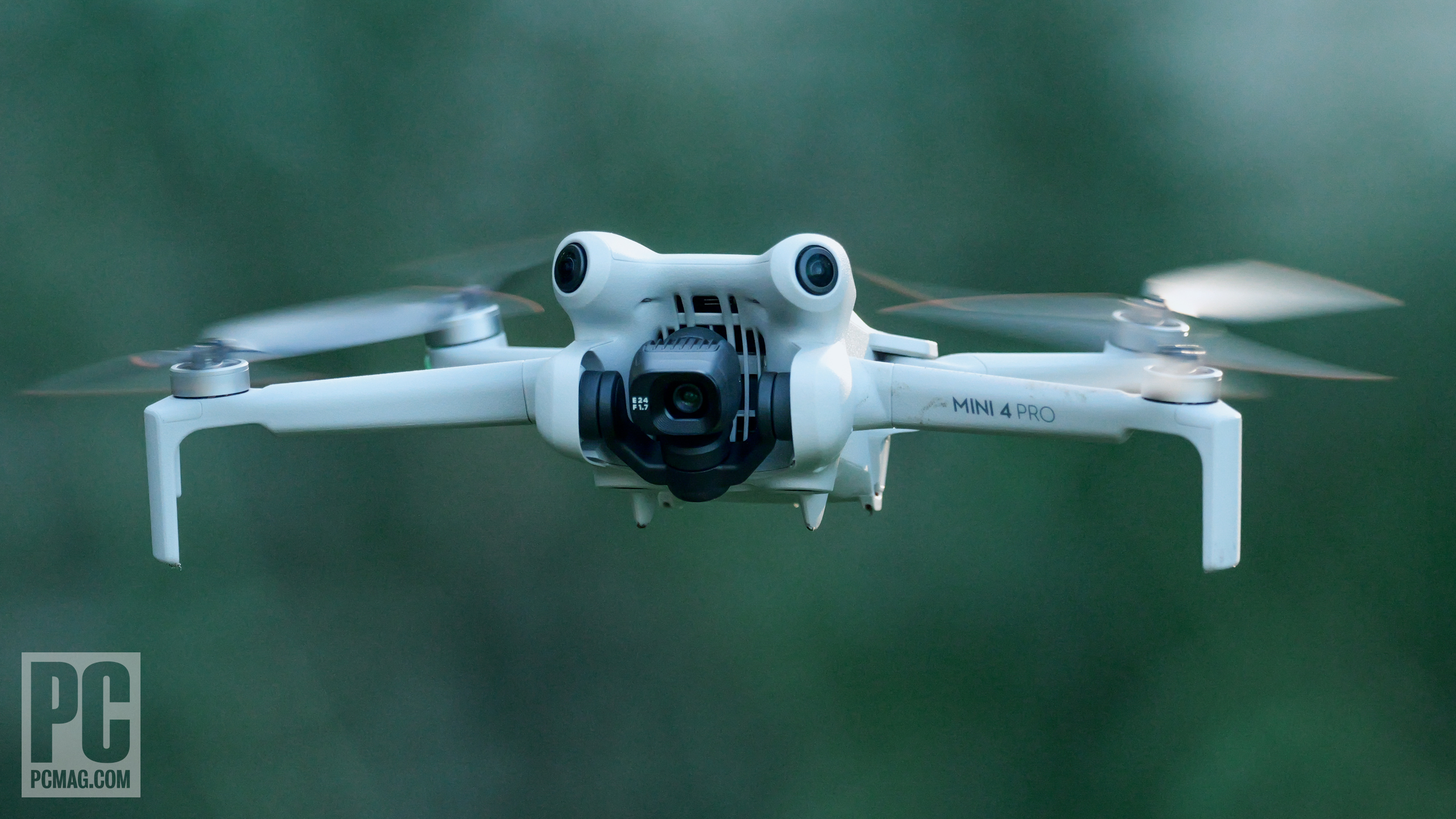
The DJI Neo is the most distinctive drone here because it does not require a conventional controller for its headline use. Press a button, launch it from your palm, and let the aircraft handle a subject-tracking shot or QuickShot. That makes it far more approachable for a hiker, cyclist, or family group than a traditional camera drone that expects someone to manage two sticks.
At 135 grams, the Neo is lighter than every other DJI model in this list. Its full-coverage propeller guards provide extra reassurance around people and branches, while palm landing makes recovery less awkward. DJI lists level 4 wind resistance, so the Neo is designed for outdoor movement, but its very light body will still be more affected by wind than the Mini 4K.
The camera records 4K UHD stabilized video, and the aircraft includes eight creative QuickShots modes. Subject Tracking is the star feature. It keeps the user framed while walking, hiking, or moving through a scene, which is precisely the sort of footage that is difficult to capture with the manually flown Holy Stone HS175D or Trinton Tech GPS Drone.
Neo supports controller-free operation, voice control in English or Chinese, smartphone control, and RC control. The standard package includes a battery and propeller guards. DJI requires activation through DJI Fly, and the app must be downloaded from DJI's website because it has been removed from Google Play. That setup issue is minor, but it is worth resolving before heading outdoors.
The Neo beats the DJI Mini 4K for spontaneous self-filming, while the Mini 4K wins for traditional piloting, longer endurance options, and a 3-axis gimbal. For readers comparing a lightweight drone that can follow a moving subject, the Neo is the obvious specialist.
8. Relidol PK01: Best Built-In-Screen Flyer

Pros
- Remote controller has a built-in screen
- 1080p camera with 80-degree adjustment
- Two batteries provide up to 25 minutes
- Brushless motors and propeller guards
- Emergency Stop and child lock
- Flips, Waypoint, Circle, and Rotation modes
Cons
- MicroSD card is required and not included
- No GPS is listed
- Best used in calm, close-range conditions
Best for: families who want a screen-equipped drone with plenty of simple tricks.
The Relidol PK01 is a more feature-packed toy flyer than its short product title suggests. The controller has a built-in screen for live HD footage and flight information, so the pilot can leave a phone in a pocket. It also supports app control when the extra features are useful, giving the drone two distinct ways to fly.
Its 1080p camera has an 80-degree adjustable lens and supports live viewing through the controller screen or app. The listing mentions gesture photography, which can make quick selfies more entertaining, but the camera remains a basic FPV unit rather than a stabilized aerial camera. The DJI Neo is dramatically better for moving-person footage, and the F417PRO has a similar screen-first philosophy.
The PK01 includes two batteries with a combined flight time of up to 25 minutes. Brushless motors, one-key takeoff and landing, headless mode, three speed settings, and 360-degree flips keep the controls accessible. Waypoint, Circle, Rotation, gravity control, voice commands, and Emergency Stop add variety, although some functions require the app.
Four propeller guards and a child lock are thoughtful touches for family use. The drone is described as lightweight and not requiring FAA registration, but the listing does not provide a clear GPS system, wind-resistance rating, or Return to Home function. An SD card is needed to save photos and videos, and it is not included.
The PK01 makes more sense than the GPS models for close-range practice and indoor or calm outdoor fun. Choose the Lanvansrc F417PRO if a simpler screen controller is preferable, or choose the PK01 if flips, voice control, and app-based flight modes are the attraction.
9. Holy Stone HS175D: Best GPS Learning Drone

Pros
- 4K camera with 110-degree wide-angle lens
- 90-degree adjustable camera angle
- GPS Auto Return
- Follow Me, Waypoint, and Point of Interest modes
- Two batteries provide up to 46 minutes
- Foldable body and carrying case
Cons
- Camera stabilization is not specified
- Flight time is below the DJI Mini 4K Combo
- No built-in controller screen
Best for: beginners who want to practice GPS-assisted flying and automated camera paths.
The Holy Stone HS175D is a sensible teaching platform for someone specifically interested in GPS flight. It has the familiar beginner controls, but it also introduces Follow Me, Waypoint Flight, and Point of Interest modes. The foldable design and carrying case make it easy to take along while learning how those modes behave in open spaces.
Its camera records 4K video and uses a 110-degree wide-angle lens, which helps fit landscapes and groups into the frame. The lens adjusts through a 90-degree range, allowing a pilot to move from a broad forward view to a more downward-facing perspective. The listing does not specify mechanical or electronic stabilization, so the footage should not be expected to match the DJI Mini 4K's gimbal-supported results.
GPS Auto Return is the HS175D's most important safety feature. It can initiate a return when signal is lost, the battery is low, or the aircraft moves beyond its range. Altitude Hold, Optical Flow, Headless Mode, one-key takeoff and landing, and speed adjustment give beginners several ways to make the first sessions less demanding.
Two batteries provide up to 46 minutes of combined flight time, depending on conditions. That is enough for practice and exploration, although the Potensic ATOM SE and DJI Mini 4K Combo list longer endurance. The HS175D also uses 5GHz FPV transmission for a smoother live view, but it still requires a phone rather than providing the built-in display found on the Karuisrc and Trinton Tech models.
The HS175D is a better fit than the Relidol PK01 for someone who wants GPS behavior instead of flips and voice commands. Pick the Potensic ATOM SE if camera stabilization and speed modes matter more, or choose Holy Stone for a gentler introduction to GPS flight planning.
10. Trinton Tech GPS Drone: Best Tracking Controls

Pros
- Built-in 4.5-inch HD LCD screen
- GPS Auto Return
- Follow Me with a listed 3 to 50 meter distance
- Gesture control
- Carrying case included
- Supports a 32GB SD card
Cons
- Camera resolution is not clearly specified
- No flight-time figure is listed
- Tracking and camera claims lack detailed technical information
Best for: beginners who want a controller screen and activity-following features.
The Trinton Tech GPS Drone is designed to remove phone friction. Its controller includes a 4.5-inch HD LCD display with live video and flight data, making the first setup more direct than a phone-based FPV drone. The included carrying case also suits pilots who want to keep the aircraft and controller together.
The product description calls the camera a stabilized wide-angle system and mentions dual cameras, but it does not give a recording resolution or sensor size. That omission matters. The camera may be perfectly adequate for learning and casual clips, yet the specification is too vague to place it alongside the DJI Neo, DJI Mini 4K, or Holy Stone HS175D as a clearly defined video tool.
GPS Auto Return provides a useful safety net when the signal drops, the battery gets low, or the pilot triggers the feature. Follow Me is listed with a tracking distance of 3 to 50 meters, which gives the user room to try walking or cycling shots. Gesture control is another approachable way to trigger certain camera actions, though the listing does not explain the full gesture set.
The drone supports a 32GB SD card and includes a carrying case. The product title describes an under-249-gram design, but the available data does not state battery endurance, wind resistance, transmission distance, or obstacle sensing. That makes it harder to plan longer flights than with the better-documented DJI and Potensic models.
The Trinton Tech model is worth considering when the built-in screen and Follow Me range are the priorities. The Karuisrc GPS Drone offers a similar screen and flight-mode concept, while Trinton Tech adds a stated 3 to 50 meter Follow Me range and gesture control.
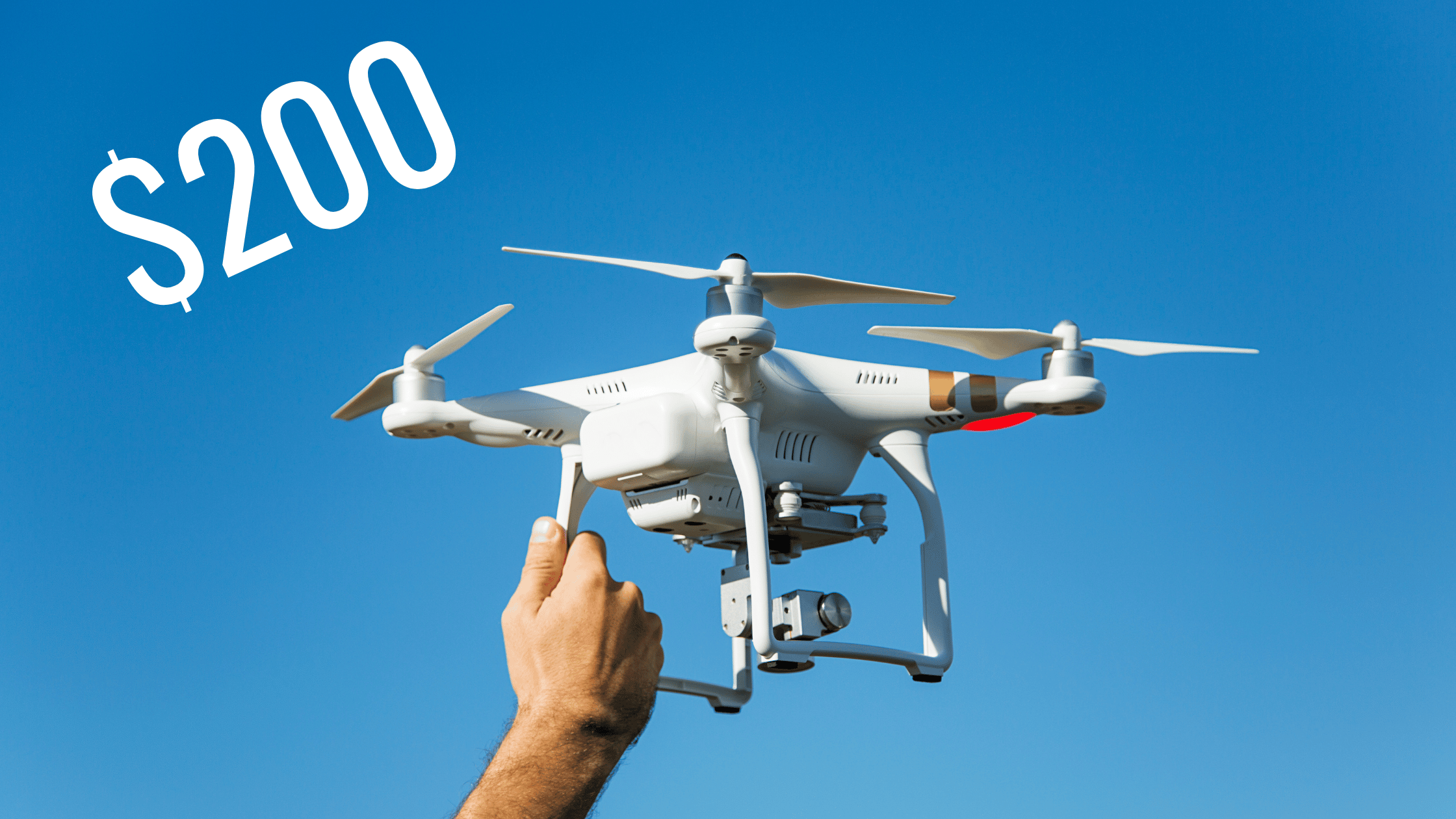
How to choose best drone under 200
The right drone depends less on the number printed beside its camera and more on how it holds position, returns safely, and fits the way you plan to fly.
Camera stabilization
A 4K label does not guarantee smooth footage. The DJI Mini 4K and DJI Mini 4K Combo use 3-axis gimbals that mechanically steady the camera, while the Potensic ATOM SE uses electronic image stabilization. EIS can be effective, but a gimbal generally gives cleaner movement during turns and changing wind.
The Loiley, F417PRO, Relidol, and several GPS models use less fully specified camera systems. They are suitable for live views and casual clips, but buyers focused on polished video should prioritize a stated gimbal or stabilization system.
GPS and Return to Home
GPS helps a drone hold its position outdoors and return toward its takeoff point when the signal is lost or the battery runs low. DJI, Potensic, Holy Stone, Karuisrc, and Trinton Tech all list GPS-related return features.
Toy-style models that rely on Optical Flow or Altitude Hold can be easier to learn indoors, but they should be flown closer and in calmer conditions. Return to Home is helpful, not magical. The pilot still needs to set a safe return height and follow local flight rules.
A sharp camera is useful only when the aircraft can hold a steady position long enough to use it.
Flight time and batteries
Battery claims are usually maximum figures, so reserve power, wind, temperature, and fast flying reduce the usable time. The DJI Mini 4K lists up to 31 minutes with its standard battery, while the Combo lists two batteries and up to 62 minutes. Potensic also lists 62 minutes across two batteries, and Holy Stone lists up to 46 minutes.
The smaller Loiley and Relidol models list approximately 26 and 25 minutes respectively. Those figures are adequate for practice, but spare batteries or a second included battery matter when a session involves repeated takeoffs and landings.
Controller and live view
A phone-based controller can provide a larger, more familiar screen, but it adds app setup and drains the phone battery. The Karuisrc, Trinton Tech, Lanvansrc, and Relidol models include screens in their controllers, which makes them easier to use without a separate device.
The DJI Neo takes the opposite approach. It can launch and follow a subject without a traditional controller, although phone, voice, and RC control are also supported. Decide whether you want a conventional manual interface, a built-in display, or hands-free subject tracking.
Weight and flight environment
Many products in this roundup describe themselves as under 249 grams, but the claims are not presented consistently across the available product information. Check the aircraft's actual takeoff weight, including the battery and any required accessories, before flying.
A lightweight drone is easier to carry but more susceptible to wind. DJI Mini 4K and Potensic list Level 5 wind resistance, DJI Neo lists Level 4, and the smaller toy drones do not provide comparable ratings. Always use an open area, keep the drone within sight, and check current FAA and local rules.
Frequently asked questions
Do drones under 249 grams need FAA registration?
The listings for several drones in this roundup state that recreational aircraft under 249 grams do not need FAA registration or Remote ID. Actual requirements depend on the aircraft's takeoff weight, how it is used, and current regulations. Check the FAA's current guidance before flying.
Which drone has the best camera?
The DJI Mini 4K and DJI Mini 4K Combo have the clearest camera advantage because they combine 4K video with a 3-axis gimbal. The DJI Neo also records 4K stabilized video, but it is designed more around hands-free tracking than traditional manual aerial photography.
Is GPS important for a beginner?
GPS is helpful because it supports stable outdoor positioning and Return to Home. It is not required for learning basic controls, and the Loiley, F417PRO, and Relidol models can work for close-range practice. GPS becomes more important when flying farther from the pilot or using automated flight paths.
Which drone can follow me?
The DJI Neo uses Subject Tracking and is the strongest fit for hands-free following. The Potensic ATOM SE, Holy Stone HS175D, Karuisrc GPS Drone, and Trinton Tech GPS Drone also list Follow Me features, but their control systems and camera specifications differ.
Do any of these drones work without a phone?
Yes. The DJI Neo can fly controller-free, while the Karuisrc GPS Drone, Trinton Tech GPS Drone, Lanvansrc F417PRO, and Relidol PK01 have controllers with built-in screens. The DJI Mini 4K, DJI Mini 4K Combo, Potensic, and Holy Stone models use a connected phone for their live view.
What is the easiest drone for a first flight?
The DJI Neo is easiest for automatic self-filming because of palm takeoff, subject tracking, and propeller guards. For conventional stick control, the DJI Mini 4K is more capable and still beginner-friendly through one-tap takeoff, stable hovering, and GPS Return to Home.
The bottom line
The DJI Mini 4K is the strongest all-purpose choice in this Best best drone under 200 roundup. Its 4K camera, 3-axis gimbal, GPS safety features, wind resistance, and QuickShots give it a level of control and image quality the toy-style models cannot match. Choose the DJI Mini 4K Combo if two batteries and a travel-ready bundle are more useful than the standard package.
The DJI Neo is the better specialist for hands-free travel footage, while the Potensic ATOM SE is the best alternative for pilots who want GPS modes, two batteries, and a 4K EIS camera. Buyers who care most about avoiding a phone should look at the Karuisrc, Trinton Tech, Lanvansrc, or Relidol controllers.
If you are undecided, choose the DJI Mini 4K for traditional flying or the DJI Neo for automatic subject tracking.
As an Amazon Associate we earn from qualifying purchases.