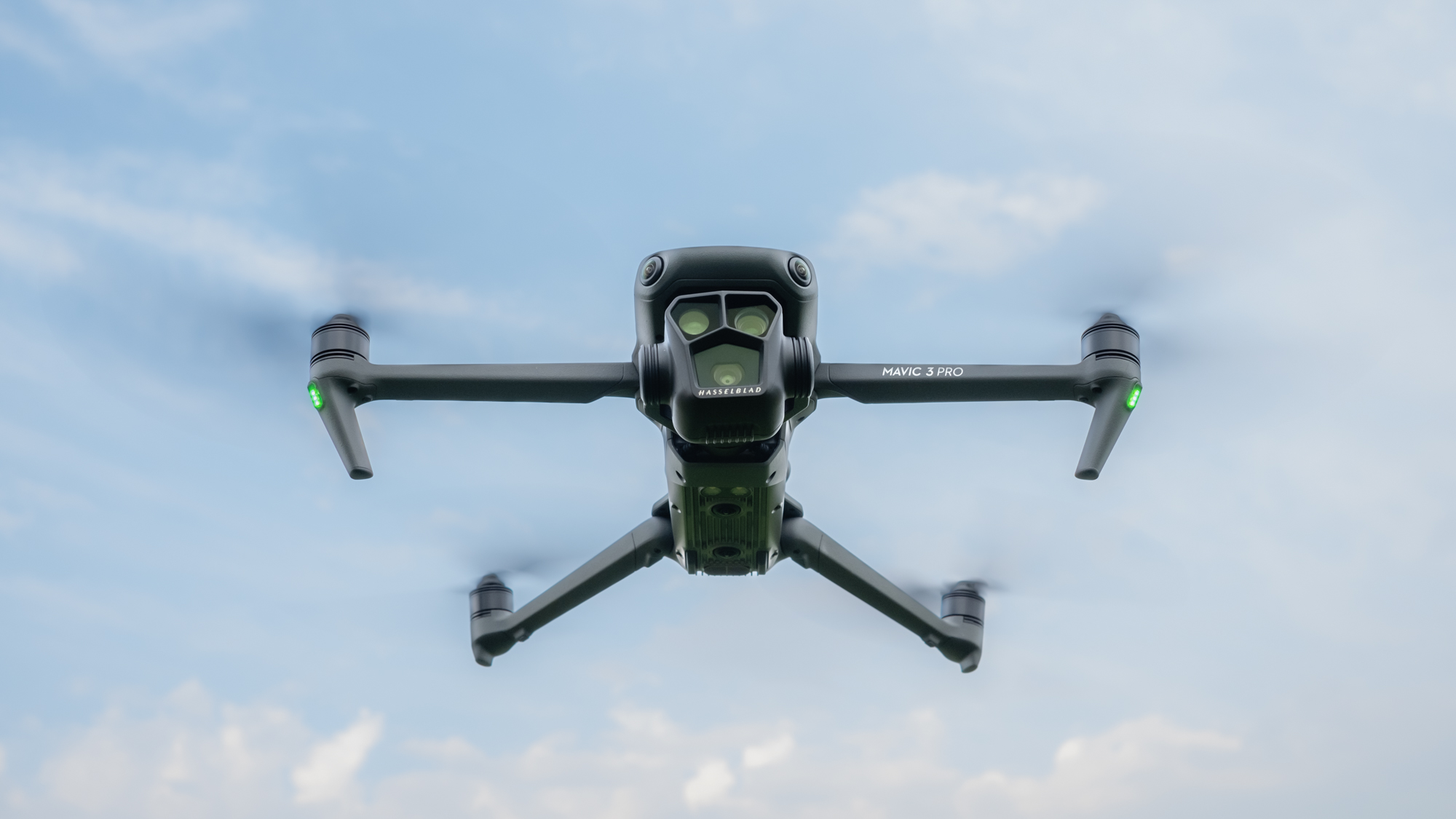

A drone can look impressive in a product photo and still produce shaky footage, lose connection at the edge of a field, or make a beginner work too hard before the first useful flight. The right camera drone needs a stable gimbal, dependable return-to-home behavior, and controls that do not get in the way of composing a shot.
Our Best Drone With Camera picks range from simple 2K beginner flyers to compact DJI models with sophisticated tracking and obstacle sensing. The DJI Mini 4K 2-Battery Combo is the one we would buy for most people, while the other options make sense for longer flights, a built-in controller screen, advanced imaging, or casual learning.
Comparison table
| # | Product | Award | Camera | Flight time | Weight | Best for |
|---|---|---|---|---|---|---|
| 1 | DJI Mini 4K 2-Battery Combo | Best overall | 4K, 3-axis gimbal | Up to 62 minutes total | Under 249 g | First serious camera drone |
| 2 | Ruko F11PRO 2 | Best for long flights | 4K at 30fps, 6K photos, 3-axis gimbal | Up to 70 minutes total | 0.79 lb | Family trips and large properties |
| 3 | DJI Mini 4K | Best compact starter | 4K, 3-axis gimbal | Up to 31 minutes | Under 249 g | Simple solo flying |
| 4 | Loiley 2K Beginner Drone | Best for learning | 2K, adjustable 90-degree camera | Approximately 26 minutes total | Under 250 g | Indoor and backyard practice |
| 5 | DJI Mini 5 Pro | Best advanced camera | 4K at 60fps HDR, 1-inch CMOS | Up to 36 minutes per battery | Approximately 249.9 g | Serious aerial photography |
| 6 | Bwine F7GB2 Pro | Best for windy locations | 4K, 3-axis gimbal, 5x zoom | Up to 75 minutes total | 1.21 lb | High-altitude and outdoor work |
| 7 | Oddire 4K GPS Drone | Best for automated flight | 2048 x 1088 video, 4096 x 3072 photos | Up to 48 minutes total | 249 g | Waypoints and orbit shots |
| 8 | DJI Mini 4K 3-Battery Combo | Best for extended sessions | 4K, 3-axis gimbal | Up to 93 minutes total | Under 249 g | Full-day outings |
| 9 | Bwine F7MINI | Best built-in screen | 4K video, 8K photos, 3-axis gimbal | Up to 64 minutes total | 0.55 lb | Flying without a phone |
1. DJI Mini 4K 2-Battery Combo: Best Overall

Pros
- Sharp 4K video with 3-axis stabilization
- Under 249 g and easy to carry
- GPS return-to-home and stable hovering
- Two batteries provide up to 62 minutes total
- QuickShots make polished clips simple
Cons
- DJI Fly must be downloaded from DJI rather than Google Play
- The controller uses a connected phone
- No obstacle sensing is listed
Best for: someone buying a first capable camera drone without moving into a professional platform.
The DJI Mini 4K 2-Battery Combo gets the important things right without making the pilot learn a complicated flight system first. One-tap takeoff and landing, GPS hovering, and return-to-home give a new flyer useful safety nets, while QuickShots can produce Helix, Dronie, Rocket, Circle, and Boomerang clips with a few taps. It feels like a camera drone rather than a toy, but it does not demand a full afternoon of setup before the first flight.
Its camera records in 4K, and the 3-axis gimbal is the feature that matters most when the drone is moving. A gimbal smooths the small tilts and vibrations that would otherwise make video look nervous. DJI also lists resistance to Level 5 winds, brushless motors, and operation at altitudes up to 4, 000 meters. Those claims do not make it immune to gusts, but they give the Mini 4K a stronger outdoor footing than basic altitude-hold flyers.
The two included batteries support up to 62 minutes of total flight time, and the package includes an RC-N1C controller, shoulder bag, spare propellers, and a propeller holder. Its 10 km maximum HD video transmission is far beyond what most recreational pilots need, yet the extra connection margin can be useful in open spaces. The under-249-g design also keeps it unusually easy to pack and may simplify recreational flying requirements, though local rules still need checking.
Compared with the single-battery DJI Mini 4K, this package is better suited to a day out because there is less interruption between flights. The DJI Mini 4K 3-Battery Combo goes further still, but it is more kit than many occasional pilots need. The Ruko F11PRO 2 offers longer combined battery time and automated flight modes, while DJI has the more reassuring combination of compact design, polished controls, and a mature shooting workflow.
The weakness is the lack of listed obstacle sensing, so the pilot remains responsible for trees, wires, buildings, and other hazards. Android users also need to download DJI Fly from DJI's website because the app has been removed from Google Play. Choose this model if you want dependable 4K footage and beginner-friendly controls in a small aircraft, and skip it only if obstacle avoidance or a built-in screen is essential.
2. Ruko F11PRO 2: Best for Long Flights

Pros
- 4K video at 30fps with a 3-axis mechanical gimbal
- 6K photo capture
- Up to 70 minutes from two batteries
- GPS return-to-home and beginner mode
- Follow, waypoint, cruise, and orbit modes
Cons
- Heavier than the DJI Mini 4K models
- The correct remote connection port is easy to overlook
- Large transmission claims depend on open conditions
Best for: families, travelers, and property owners who want long sessions and automated camera movement.
The Ruko F11PRO 2 is built around the idea that a drone outing should last longer than a few short flights. Its two intelligent batteries are rated for up to 70 minutes of combined flight time, which makes it a natural fit for a road trip, a large rural property, or a family gathering where the drone may go up repeatedly. It is not as light as the DJI Mini models, but the larger body gives it a substantial feel in the hand.
The camera records 4K video at 30fps and captures 6K photos. A 3-axis mechanical gimbal helps keep the picture level as the aircraft moves, and that is more useful for sweeping landscape footage than a high resolution label alone. The F11PRO 2 also has a dedicated beginner mode, one-key takeoff and landing, and GPS return-to-home when the battery is low, the signal is lost, or the pilot presses the return button.
Its automated modes are a strong reason to choose it over the DJI Mini 4K. GPS Follow can keep the drone with a moving subject, Waypoint Flight can repeat a planned route, Cruise Control can hold a steady pace, and Orbit Mode creates a circular movement around a point. These functions make it easier to concentrate on where the camera is pointing, although they do not remove the need to check the flight area for obstacles.
Ruko lists a 10, 000-foot transmission range. That is useful context for open land, but range figures should never be treated as a promise in a built-up area or around interference. The drone weighs about 0.79 pounds and measures roughly 6.5 by 3.5 by 2.6 inches according to the listed product dimensions, so it packs less discreetly than DJI's foldable minis.
There is a small but important setup trap. The Type-C port on the side of the remote is for charging only, and the data connection port is at the top beneath the extended phone holder. Miss that detail and the video feed will not work as expected. The Ruko is the better pick for long, feature-rich sessions, but the DJI Mini 4K 3-Battery Combo offers a lighter aircraft and a more compact travel profile.
3. DJI Mini 4K: Best Compact Starter

Pros
- 4K camera with 3-axis gimbal
- Under 249 g
- Simple takeoff, landing, and hovering
- GPS return-to-home
- QuickShots for automatic video moves
Cons
- Only one battery is included
- No listed obstacle sensing
- DJI Fly is not available through Google Play
Best for: a new pilot who wants the DJI flight experience in the simplest package.
The DJI Mini 4K is the cleanest way into DJI's compact camera-drone system. It includes one battery, an RC-N1C controller, and the equipment needed to begin flying, so there is less to sort through than with a larger bundle. The folded aircraft is small enough for a backpack, and its listed weight is under 249 g, a useful characteristic for pilots trying to keep recreational flying straightforward.
The camera records 4K video and sits on a 3-axis gimbal. That combination is much more important than a flashy photo number for someone learning to frame moving footage. The gimbal counteracts roll, pitch, and yaw, so slow pans and forward passes appear smoother. GPS hovering also helps the aircraft hold position while the pilot thinks about composition rather than constantly correcting drift.
DJI includes one-touch takeoff and landing, GPS Return to Home, and QuickShots including Helix, Dronie, Rocket, Circle, and Boomerang. The drone is rated for resistance to Level 5 winds, has brushless motors, and can take off at altitudes up to 4, 000 meters. Those specifications make it a more credible outdoor camera platform than the Loiley 2K Beginner Drone, though a new pilot should still start in a clear, calm area.
The one-battery setup is the central compromise. Its listed maximum is 31 minutes, and real flying usually involves taking off, repositioning, filming, and landing rather than running the battery continuously. The DJI Mini 4K 2-Battery Combo is the more comfortable choice for a weekend outing, while the DJI Mini 4K 3-Battery Combo makes sense for a full session with fewer charging pauses.
The software setup also deserves attention. DJI says the Fly app has been removed from Google Play because of platform compatibility, so Android users need to download it from DJI's official website. This is not a reason to dismiss the drone, but it is one more step than some first-time owners expect. Pick the Mini 4K when portability, predictable controls, and a stabilized 4K camera matter more than having multiple batteries in the box.
4. Loiley 2K Beginner Drone: Best for Learning

Pros
- Optical flow positioning and altitude hold
- One-key takeoff and landing
- Adjustable camera angle up to 90 degrees
- Two batteries provide approximately 26 minutes total
- Folded size is listed as 5 by 3 by 2 inches
Cons
- 2K video is behind every DJI pick here
- No GPS return-to-home is listed
- The listed weight is over one pound despite the under-250 g feature claim
Best for: beginners who want to practice basic controls before moving to a more advanced camera drone.
The Loiley 2K Beginner Drone is aimed at learning the habits that matter before flying a more capable aircraft. One-key takeoff and landing, headless mode, speed adjustment, and altitude hold reduce the number of controls a new pilot needs to manage at once. Optical flow positioning is intended to help the drone maintain a steadier position close to the ground, which can make early practice less frustrating.
Its camera records in 2K and can be adjusted through 90 degrees from the remote. The live view comes through a connected smartphone, and the app supports direct sharing. That is enough for casual clips and learning how camera angle affects a shot, but it is not the right tool for someone who wants clean, cinematic landscape footage. The DJI Mini 4K has a 4K camera and 3-axis gimbal, giving it a clear advantage once image quality becomes the priority.
Two rechargeable batteries are rated for approximately 26 minutes of combined flight time. The package also includes a carrying bag, propeller guards, spare blades, and remote-control batteries. Guards are particularly useful for early indoor or backyard practice, although they cannot make a flight area safe around people, pets, wires, or fragile objects.
The product information presents an important detail to check carefully. Its features describe the aircraft as under 250 g, while the listed product dimensions give a weight of 1.1 pounds. That inconsistency means a buyer should verify the actual takeoff weight and applicable rules rather than assuming a registration exemption. GPS return-to-home is not listed, either, so this drone should be flown close enough to keep it in sight and under control.
The Loiley is a sensible training platform for someone who values simple controls, propeller protection, and a forgiving learning curve. It is not a substitute for the Oddire 4K GPS Drone, which adds GPS flight modes, or the DJI models, which offer more stable footage. Choose it for supervised practice and casual fun, not for ambitious aerial photography.
5. DJI Mini 5 Pro: Best Advanced Camera

Pros
- 1-inch CMOS sensor
- 4K video at 60fps with HDR
- True vertical filming
- 225-degree flexible gimbal rotation
- Omnidirectional obstacle sensing and ActiveTrack 360
- DJI RC 2 and three batteries included
Cons
- Listed weight is approximately 249.9 g plus or minus 4 g
- Night flights may require local permits
- The advanced features are more than a casual pilot needs
Best for: creators who need stronger low-light potential, smoother motion, and sophisticated subject tracking in a compact aircraft.
The DJI Mini 5 Pro is the clear imaging specialist in this group. Its 1-inch CMOS sensor gives it a larger imaging surface than the Mini 4K models, which can help preserve detail and manage difficult light. The camera records 4K at 60fps with HDR, so it is better suited to fast movement, smooth slow-motion-style playback, and scenes with a mix of bright sky and darker ground.
The gimbal is unusually flexible. It supports true vertical filming for social platforms and rotates through 225 degrees, opening up compositions that a conventional forward-facing camera cannot match. The drone also has 42GB of internal storage, which is useful when a memory card is not ready, though serious projects still need a reliable way to transfer and back up footage.
Safety and tracking separate it from the rest of this list. Forward-facing LiDAR and vision sensors provide omnidirectional obstacle sensing, including a Nightscape mode for obstacle detection in low light. ActiveTrack 360 offers customizable tracking modes and enhanced stability for moving subjects. These features do not excuse careless flying, but they give the pilot more assistance than the DJI Mini 4K 2-Battery Combo, whose listed feature set does not include obstacle sensing.
The Fly More Combo includes DJI RC 2, three batteries, a charging hub, ND filters, and spare propellers. Each Intelligent Flight Battery is rated for up to 36 minutes, and DJI says three batteries can be fast-charged in about 115 minutes. The aircraft is described as approximately 249.9 g with a plus or minus 4 g variation, so pilots should check the actual aircraft and local regulations rather than relying on the nominal category.
This is the drone for someone who already knows why a larger sensor, vertical capture, tracking, or obstacle sensing matters. It is too elaborate for a first flight focused on learning basic orientation, and it still requires good judgment around trees, wires, and people. For creators comparing how to capture smoother aerial video in changing light, the Mini 5 Pro is the most capable choice here.
6. Bwine F7GB2 Pro: Best for Windy Locations

Pros
- 4K camera with 3-axis gimbal
- Detachable camera and 120-degree field of view
- Three batteries provide up to 75 minutes total
- GPS return-to-home, follow, waypoint, and orbit modes
- Remote ID certification is listed
- Two-year replacement warranty
Cons
- Heavier than the compact DJI models
- The listed dimensions appear unusually small for the aircraft
- No obstacle sensing is listed
Best for: outdoor pilots who want a sturdy GPS platform and generous battery rotation.
The Bwine F7GB2 Pro takes a different approach from the pocket-sized DJI models. It is a larger, heavier aircraft with three 2600mAh batteries and a listed total flight time of up to 75 minutes. That makes it attractive for extended landscape work, property checks, and outdoor trips where swapping batteries is preferable to ending the session early.
Its detachable camera uses a 120-degree field of view, a larger CMOS sensor, and a 3-axis gimbal. Bwine also lists 5x digital zoom. The gimbal is the key feature for usable video because it reduces the small movements that become obvious during a slow pan. Digital zoom can help with framing at a distance, but it does not create the same detail as an optical zoom, so the strongest results will still come from flying to a sensible camera position.
The drone uses GPS, a compass, gyroscope, and barometer, and its features describe Level 6 wind resistance. Bwine also lists operation at a 2, 000-meter altitude and a control range of up to 3, 000 meters. Those figures suggest a platform intended for exposed outdoor environments, though weather, local conditions, and line of sight remain more important than any headline range. GPS return-to-home activates for low battery, lost signal, or a one-key command.
Compared with the Ruko F11PRO 2, the Bwine offers a longer combined battery claim and a more explicit emphasis on high-altitude and windy use. The Ruko is lighter and includes a dedicated beginner mode, while the DJI Mini 4K 3-Battery Combo is much easier to carry. Bwine's listed Remote ID certification may also matter to pilots whose use requires compliance, but it does not remove the need to understand current aviation rules.
The aircraft weighs about 1.21 pounds according to the product information, so it does not share the regulatory simplicity associated with sub-249 g models. Bwine includes a carrying shell, spare blades, cables, tools, and a two-year replacement warranty. Pick the F7GB2 Pro when endurance, GPS automation, and a robust outdoor setup matter more than a lightweight travel design.
7. Oddire 4K GPS Drone: Best for Automated Flight

Pros
- GPS return-to-home
- Waypoint, orbit, and follow modes
- Brushless motor and Level 5 wind resistance
- Two batteries provide up to 48 minutes total
- Adjustable 90-degree camera
- Gesture control and app editing tools
Cons
- The listed video resolution is 2048 x 1088
- Transmission is listed at up to 500 meters
- An SD card is not included
Best for: casual pilots who want GPS-assisted flight paths and creative automated modes.
The Oddire 4K GPS Drone is less about manual precision and more about giving a beginner several ways to make the aircraft move on its own. GPS Follow, route planning, Fly Around, waypoint flight, and one-key return-to-home are the standout features. Add gesture photos, gravity control, and 3D flips, and this becomes a playful camera drone for experimenting with different types of clips.
The camera is adjustable through 90 degrees and uses a 110-degree wide-angle lens with an F2.15 aperture. The listed photo resolution is 4096 x 3072, while video is listed at 2048 x 1088. That distinction matters: although the product title uses 4K language, the stated video specification is lower than the 4K recording modes on the DJI and Bwine models. Buyers who mainly want still images may find the photo resolution more relevant than those planning polished video projects.
Two 7.7V 1800mAh batteries are rated for up to 48 minutes total. The brushless motor and Level 5 wind-resistance claim give it a better outdoor starting point than the Loiley 2K Beginner Drone, and GPS should make return behavior more dependable. The 5G Wi-Fi transmission system is listed for up to 500 meters, which is enough for many parks and open backyards but not in the same class as the longer claims from DJI and Ruko.
The app adds filters, background music, and direct sharing to social platforms. Photos and videos need to be saved to an SD card or mobile device, and the listing specifically says an SD card is not included. That is a small accessory detail, but it can stop a first flight from producing saved footage if the pilot has not planned for it.
The Bwine F7GB2 Pro is a stronger choice for a more serious 4K video workflow, while the Oddire is more approachable for someone attracted to waypoints, orbit shots, and gesture control. Its compact 249 g claim is appealing, but local rules should still be checked and the aircraft should be kept within safe visual control. Choose it for automated creative flying, not for the cleanest high-resolution video in this roundup.
8. DJI Mini 4K 3-Battery Combo: Best for Extended Sessions

Pros
- 4K camera with 3-axis gimbal
- Three batteries provide up to 93 minutes total
- Under 249 g
- 10 km maximum HD transmission
- GPS return-to-home and QuickShots
- Charging hub and shoulder bag included
Cons
- No obstacle sensing is listed
- DJI Fly requires an alternate Android download
- More batteries add bulk to the travel kit
Best for: pilots who already know they want the DJI Mini 4K and plan to fly for several hours.
The DJI Mini 4K 3-Battery Combo is the endurance version of our compact DJI recommendation. The aircraft itself has the same core appeal: a 4K camera, 3-axis gimbal, GPS hovering, one-touch takeoff and landing, and QuickShots that automate Helix, Dronie, Rocket, Circle, and Boomerang moves. The difference is what happens after the first battery is depleted. Two more batteries and a two-way charging hub keep the session moving.
DJI rates the three batteries for up to 93 minutes of combined flight time. That is a substantial amount of air time for a small drone, especially on a trip where there may not be a convenient place to recharge. The under-249 g design remains easy to pack, and the included shoulder bag keeps the aircraft, controller, batteries, and small accessories together rather than scattered through a larger camera case.
The 3-axis gimbal gives the Mini 4K the stable footage that separates it from basic camera drones. DJI also lists Level 5 wind resistance, brushless motors, and a maximum HD video transmission distance of 10 km. Those specifications are best understood as capability headroom rather than an invitation to fly beyond safe visual control. GPS Return to Home remains a useful safeguard, but it cannot detect every branch, wire, or structure.
The DJI Mini 4K 2-Battery Combo is the more sensible bundle for many owners because it retains the same aircraft and gives up less kit to carry. The DJI Mini 4K is the cleanest choice for a first solo purchase, while the Ruko F11PRO 2 offers Follow and Waypoint modes that DJI's listed Mini 4K features do not include. The three-battery DJI wins when the priority is repeated, predictable 4K flights.
Its main weakness is not flight performance but safety assistance. There is no obstacle sensing listed, and the pilot must remain alert throughout an automated QuickShot or return-to-home sequence. Android users also need to obtain DJI Fly from DJI's website rather than Google Play. If you are planning a trip where the practical balance between flight time and carrying space matters, this is the DJI Mini 4K package to consider.
9. Bwine F7MINI: Best Built-In Screen

Pros
- 5.5-inch 1080p controller screen
- 8K photos and 4K video
- 3-axis brushless gimbal with EIS
- Two batteries provide up to 64 minutes total
- 32GB internal controller storage
- GPS follow, orbit, waypoint, and cruise modes
Cons
- Fast charger is sold separately
- The controller adds to the kit size
- No obstacle sensing is listed
Best for: pilots who prefer a dedicated screen and do not want to attach a smartphone to the remote.
The Bwine F7MINI solves one of the small annoyances of phone-based drone controllers by putting a screen directly on the remote. Its controller has a 5.5-inch 1080p display rated at 60Hz and 500 nits, so the pilot does not have to manage phone notifications, cables, or a phone battery during a flight. The controller also has 32GB of internal storage and is rated for up to three hours of remote use.
The camera records 4K video and captures 8K photos at a listed 48MP resolution. Bwine also specifies an F1.8 aperture, 5x zoom, vertical shooting, and a 3-axis brushless gimbal with electronic image stabilization. The combination is ambitious for a compact drone. The gimbal should do most of the work for smooth footage, while EIS can help with residual movement, and vertical shooting is useful for social clips that do not need to be cropped later.
Two batteries are rated for up to 64 minutes total, or 32 minutes each. The drone supports PD 3.0 fast charging, though the charger is sold separately. GPS features include Active Track, Cruise Control, Orbit Flight, Waypoint Planning, and return-to-home for low battery or signal loss. A dynamic home point can update with the controller, and a 120dB locator buzzer is included through the app.
The built-in screen is the reason to choose this over the Bwine F7GB2 Pro, which offers three batteries and a strong outdoor focus but does not list a screen controller. The DJI Mini 5 Pro has more advanced obstacle sensing and tracking, while the F7MINI gives the pilot a self-contained control setup and a generous collection of recording modes. Its listed weight is about 0.55 pounds, so it is not in the same under-249 g category as the DJI Mini 4K models.
The compromises are clear. There is no obstacle sensing listed, the controller makes the kit less minimal, and the high-resolution photo claim should not be confused with guaranteed professional image quality in every light. Bwine includes a case, spare propellers, a manual, two-year warranty, and lifetime firmware updates. Pick the F7MINI if a bright dedicated controller screen changes how you want to fly, and choose DJI instead if obstacle detection and a more established compact ecosystem matter more.
How to choose best drone with camera
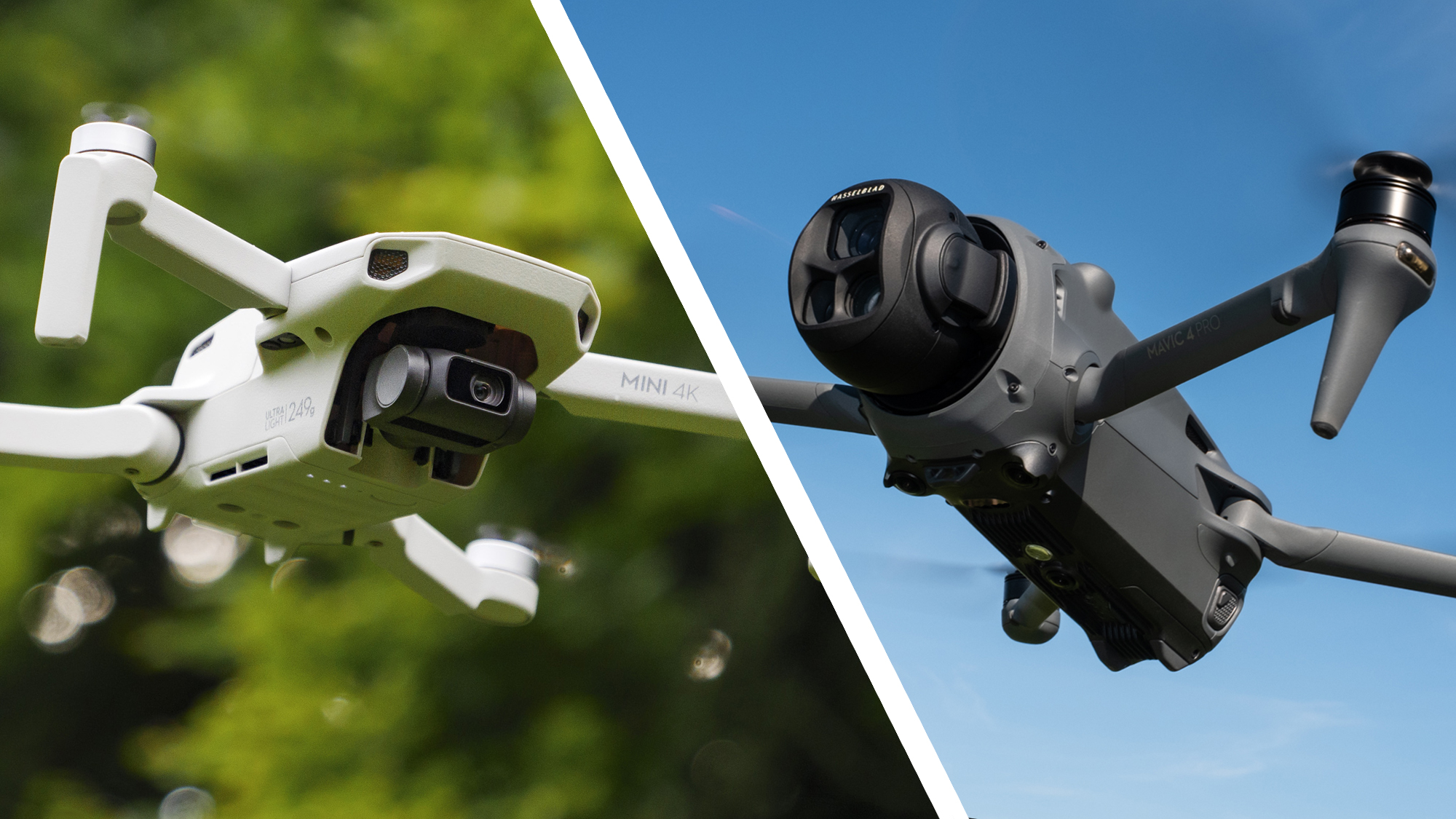
The right camera drone is determined less by a headline resolution than by how steadily it flies, how safely it returns, and how easily its camera can capture the shot you actually want.
Camera and gimbal
Resolution tells you how much image detail a drone can record, but stabilization determines whether that detail is usable. A 3-axis mechanical gimbal, found on the DJI Mini 4K models, Ruko F11PRO 2, Bwine F7GB2 Pro, DJI Mini 5 Pro, and Bwine F7MINI, smooths movement on three axes.
The DJI Mini 5 Pro goes further with a 1-inch CMOS sensor, 4K at 60fps HDR, true vertical filming, and 225-degree gimbal rotation. The Oddire's listed video resolution is 2048 x 1088 despite the 4K title, while the Loiley records in 2K. Those models are better suited to casual clips than demanding video work.
A stable 4K image is more useful than a higher resolution label attached to shaky footage.
Flight time and batteries
Manufacturers list maximum flight time under controlled conditions, so wind, cold, movement, and return-to-home reserves can reduce usable time. Multiple batteries matter because they let you land, swap, and continue without waiting for a recharge.
The DJI Mini 4K packages range from one battery to three, with listed combined totals of up to 31, 62, and 93 minutes. Ruko lists up to 70 minutes from two batteries, Bwine F7GB2 Pro up to 75 minutes from three, Bwine F7MINI up to 64 minutes from two, and Oddire up to 48 minutes from two.
GPS and return-to-home
GPS is one of the most useful differences between a beginner camera drone and a basic toy flyer. It helps the aircraft hold position and supports return-to-home when the battery is low, the signal is lost, or the pilot presses a button.
The Loiley lists optical flow positioning and altitude hold, but not GPS return-to-home. DJI, Ruko, Bwine, and Oddire list GPS-based return functions. Return-to-home is not a substitute for line-of-sight flying, and the launch point, altitude setting, and surroundings still need to be checked before takeoff.
Obstacle sensing and tracking
Obstacle sensing can make a drone easier to manage around a changing environment, but it is not present on every model. The DJI Mini 5 Pro is the standout here with forward LiDAR, vision sensors, omnidirectional sensing, and ActiveTrack 360.
The other drones list useful automated modes such as follow, orbit, cruise control, and waypoints, but those features do not necessarily mean the drone can detect a tree or wire in its flight path. Keep automated flights in open areas unless the product's sensing system is clearly specified.
Weight and portability
A foldable, under-249 g aircraft is easier to carry and may have different recreational requirements in the United States. The DJI Mini 4K models are listed under 249 g, and Oddire describes its drone as 249 g. The DJI Mini 5 Pro is listed at approximately 249.9 g plus or minus 4 g, so its actual weight and local rules deserve particular attention.
The Loiley's feature text says under 250 g, but its listed product information gives a weight of 1.1 pounds. That conflict should be resolved before assuming any regulatory benefit. Larger models such as the Bwine F7GB2 Pro and Ruko F11PRO 2 may be more substantial in the air, but they require more room in a travel bag.
Frequently asked questions
Do these drones need FAA registration?
Rules depend on the aircraft's actual takeoff weight and how it is used. Several listings describe their drones as under 249 g, but the Loiley data contains a conflicting weight specification, and the DJI Mini 5 Pro is listed near the threshold with a stated variation. Check current FAA requirements and local restrictions before flying.
Is a 3-axis gimbal important for drone video?
Yes. A 3-axis gimbal compensates for roll, pitch, and yaw movement, helping footage stay level and smooth while the aircraft moves. It is one of the main reasons the DJI Mini 4K and Ruko F11PRO 2 produce a more camera-like result than basic altitude-hold drones.
Which model has the strongest camera?
The DJI Mini 5 Pro has the most advanced listed camera hardware, including a 1-inch CMOS sensor, 4K at 60fps HDR, true vertical filming, and 225-degree gimbal rotation. The Bwine F7MINI offers 8K photos and 4K video, but the DJI also adds more advanced sensing and tracking features.
Are the listed flight times realistic?
They are maximum combined or per-battery figures supplied in the product information. Actual usable time depends on wind, movement, temperature, battery condition, and the reserve needed to return safely. Multiple batteries are more useful than a single headline number because they allow continued flying after a quick swap.
Can these drones return automatically if the signal is lost?
GPS-equipped models such as the DJI, Ruko, Bwine, and Oddire drones list automatic return-to-home functions for signal loss or low battery. The pilot must still set a safe return altitude and keep the aircraft away from hazards. The Loiley lists altitude hold and optical flow positioning, but not GPS return-to-home.
Do I need a phone to fly these drones?
The DJI Mini 4K models use an RC-N1C controller that works with a connected phone, and the Ruko also requires attention to the correct remote connection port for video transmission. The Bwine F7MINI includes a controller with a 5.5-inch screen, so it is the clearest choice for flying without attaching a smartphone.
The bottom line
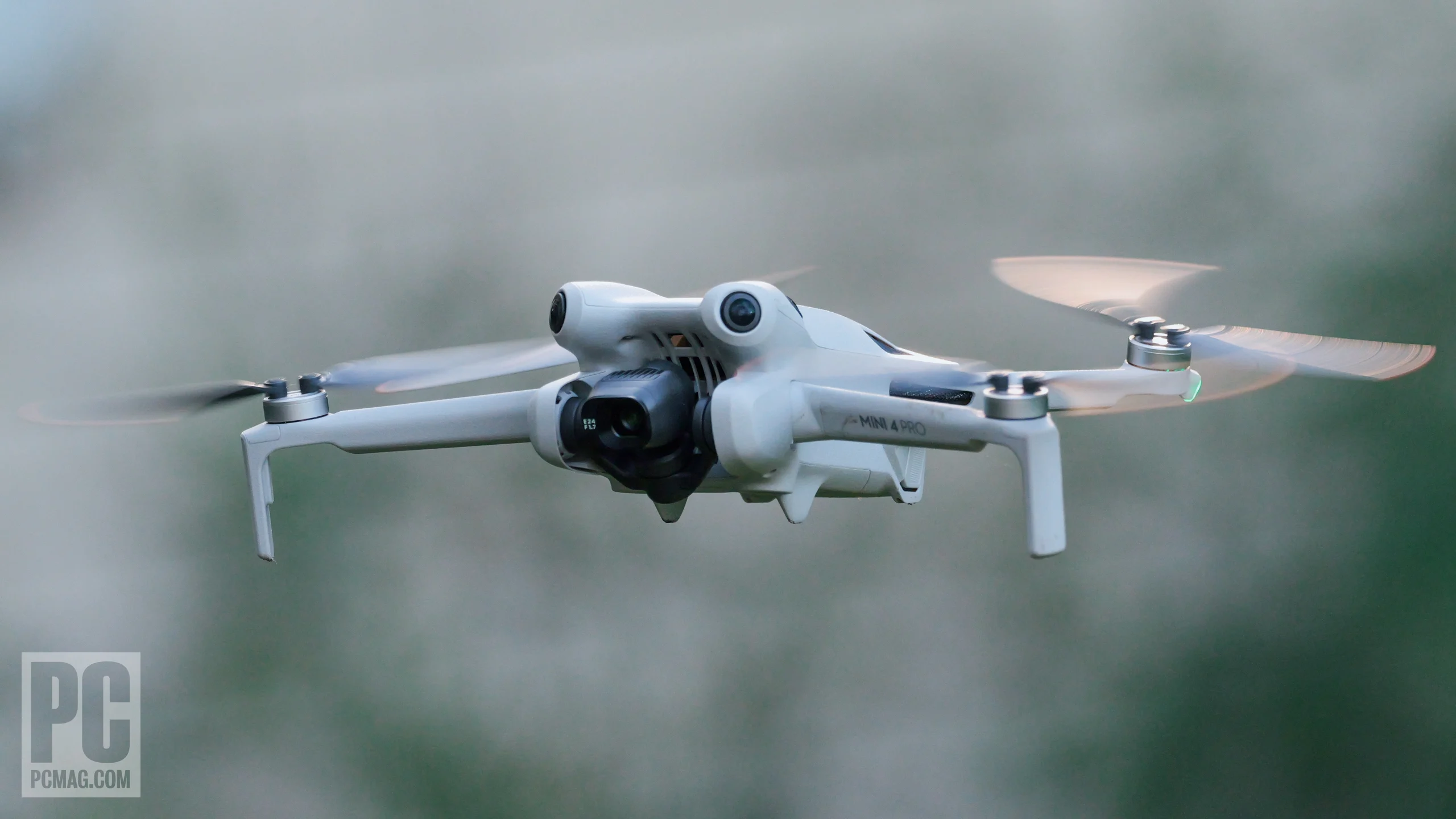
The DJI Mini 4K 2-Battery Combo is the Best Drone With Camera for most new pilots who want stable 4K footage, straightforward controls, GPS return-to-home, and a compact aircraft. The DJI Mini 4K 3-Battery Combo is the better version for long outings, while the single-battery DJI Mini 4K keeps the setup simple.
For more demanding imaging, the DJI Mini 5 Pro earns its place with a 1-inch sensor, 4K at 60fps HDR, vertical shooting, obstacle sensing, and ActiveTrack 360. The Ruko F11PRO 2 is the practical alternative for long sessions and automated flight modes, and the Bwine F7MINI is the one to choose when a dedicated controller screen matters most.
If you are undecided, choose the DJI Mini 4K 2-Battery Combo for the safest balance of portability, image quality, and ease of use.
As an Amazon Associate we earn from qualifying purchases.