

A graphic design laptop has to do more than open Photoshop. It needs enough memory for layered files, a screen you can trust while adjusting color, and graphics hardware that will not collapse when a project grows from a few shapes into a full artboard. The wrong machine can make every tool feel delayed and every large export feel like a chore.
Our Best laptop for graphic design picks include dedicated graphics systems for demanding creative work, lighter integrated-graphics laptops for school and everyday editing, and a compact Mac for designers who value portability. The single best pick is the ASUS ROG Strix G16, with the other seven covering different mixes of screen size, portability, upgrade room, and creative performance.
Comparison table
| # | Product | Award | Display | Graphics | Memory | Storage | Best for |
|---|---|---|---|---|---|---|---|
| 1 | ASUS ROG Strix G16 | Best overall | 16-inch FHD+ 165Hz | GeForce RTX 5060 | 16GB DDR5 | 1TB PCIe Gen 4 SSD | Serious design and 3D work |
| 2 | KAIGERR RX16 | Best upgrade potential | 16-inch IPS | Radeon RX Vega 8 | 24GB DDR5 | 512GB NVMe SSD | Multitasking and light creative work |
| 3 | NIMO 15.6-inch Creator | Best creator-focused option | 15.6-inch FHD IPS | Radeon 660M | 16GB DDR5 | 512GB PCIe SSD | Students and entry-level creators |
| 4 | HP 17.3-inch Ryzen 5 | Best large screen | 17.3-inch HD+ | AMD Radeon | 16GB LPDDR5 | 512GB NVMe SSD | Large artboards and desk use |
| 5 | Alienware 16 Aurora | Best RTX alternative | 16-inch WQXGA 120Hz | GeForce RTX 5050 | Not specified | Not specified | Gaming and creative graphics |
| 6 | Dell 16 Plus | Best high-resolution workspace | 16-inch QHD+ 16:10 | Not specified | 32GB | Not specified | Large projects and multitasking |
| 7 | Apple MacBook Neo 13 | Best portable Mac | 13-inch Liquid Retina | Not specified | 8GB unified memory | 256GB SSD | Mobile design and school work |
| 8 | Dell 16 DC16251 | Best everyday Windows laptop | 16-inch FHD+ 16:10 | Intel graphics | 16GB | 1TB | General design and office work |
1. ASUS ROG Strix G16: Best Overall

Pros
- Dedicated GeForce RTX 5060 graphics
- Fast 16-inch 165Hz display
- 1TB PCIe Gen 4 SSD
- Strong Core i7 processor
- Vapor chamber and tri-fan cooling
Cons
- Heavy at about 5.84 pounds
- 16GB memory is less generous than the Dell 16 Plus
- Gaming styling is not especially discreet
Best for: designers who need one Windows machine for demanding Adobe work, 3D projects, and gaming.
The ASUS ROG Strix G16 is the laptop in this group that feels ready for a design workload to become something more demanding. It has the graphics headroom to handle GPU-assisted effects and 3D applications, while the 16-inch display gives a generous working area without moving to the physically larger 17.3-inch HP. It is built like a gaming laptop, but Stealth Mode can turn off the lighting when the RGB light bar and keyboard do not belong in a client meeting.
The core hardware is a strong match for visual work. Intel’s Core i7-14650HX processor is paired with a GeForce RTX 5060 Laptop GPU, and the graphics chip uses NVIDIA’s Blackwell architecture with DLSS 4 and Max-Q technologies. Those features matter most when a design application can use the GPU for rendering, effects, or 3D acceleration. They do not magically improve every 2D operation, but they give this machine a much higher ceiling than the integrated Radeon graphics in the KAIGERR RX16, NIMO 15.6-inch Creator, or HP 17.3-inch Ryzen 5.
The 16-inch FHD+ panel uses a 16:10 layout and runs at 165Hz with a stated 3ms response time. The tall aspect ratio gives a little more vertical room for toolbars and a canvas, while the high refresh rate makes scrolling and interface movement look unusually fluid. ASUS also describes an ACR film that improves contrast and reduces glare. That is useful in a bright room, but a high refresh rate is not a substitute for verified color coverage, so color-critical professionals should still consider a calibrated external display.
The 1TB PCIe Gen 4 SSD gives large project folders and applications more breathing room than the 512GB drives in several other picks. The 16GB of DDR5-5600MHz memory is workable for design software and normal multitasking, though the Dell 16 Plus has twice the listed memory for bigger files and more simultaneous applications. ASUS uses an end-to-end vapor chamber, tri-fan cooling, and Conductonaut Extreme liquid metal on the chipset to help sustain performance. That cooling hardware is one reason the machine is thick and heavy, and the 5.84-pound chassis is the real compromise.
Choose the ASUS ROG Strix G16 if your work may include motion, 3D, large raster files, or GPU-heavy effects. Skip it if you want a quiet, lightweight laptop for occasional photo and layout edits. For a wider look at machines suited to timeline-heavy creative work, the hardware that makes long video editing sessions less frustrating is a useful companion guide.
2. KAIGERR RX16: Best Upgrade Potential

Pros
- AMD Ryzen 7 H255 processor
- 24GB DDR5 memory in the listing
- Memory upgrade support up to 64GB
- SSD upgrade support up to 4TB
- Dual-fan cooling
Cons
- Integrated Radeon RX Vega 8 graphics
- Listing details differ on the installed memory
- Display color specifications are limited
Best for: multitaskers who want substantial memory and room to upgrade while staying with Windows.
The KAIGERR RX16 takes a different route from the ASUS. It is not a dedicated-graphics workstation, but it gives a designer a lot of working memory and a straightforward upgrade path. That makes it interesting for people who keep a browser, reference images, messaging, a design application, and cloud storage open together. Its listed weight is about 3.86 pounds, considerably easier to carry than the ASUS or Alienware.
The AMD Ryzen 7 H255 is described as an eight-core, 16-thread processor with boost speeds up to 4.9GHz. That kind of CPU configuration is useful for responsive multitasking and sustained general workloads. The listing identifies Radeon RX Vega 8 graphics, so this is better suited to 2D design, layout, light photo work, and ordinary media tasks than to serious 3D rendering. The RTX 5060 in the ASUS ROG Strix G16 is in another class for GPU-driven applications.
Memory is the standout feature, with the title listing 24GB of DDR5. The feature copy also refers to a 16GB configuration, so buyers should verify the exact installed configuration on the listing before ordering. The same feature information says the dual-channel memory can be upgraded to 64GB using two 32GB modules. It also describes support for an M.2 or NGFF SSD up to 4TB. That combination gives the KAIGERR more long-term flexibility than the fixed details provided for the compact Apple MacBook Neo 13.
The 16-inch IPS display is described as having a wide color gamut and a high refresh rate, with richer colors and smoother motion than standard panels. The listing does not provide a color coverage figure, resolution, brightness figure, or refresh-rate number, so we would not treat it as a color-critical reference screen without checking it in person or pairing it with a calibrated monitor. Its dual-fan cooling system is designed to move heat away during longer workloads, though integrated graphics keep the overall design less demanding than the gaming laptops here.
The KAIGERR makes more sense for a growing student or hobbyist than for a professional illustrator who needs dependable display information and dedicated graphics. It beats the NIMO 15.6-inch Creator on listed memory and screen size, while the NIMO offers more clearly documented ports, a fingerprint reader, and a two-year manufacturer warranty. Pick the KAIGERR when upgrade room and multitasking matter most, and look elsewhere when GPU acceleration or verified color performance is central to the work.
3. NIMO 15.6-inch Creator: Best Creator-Focused Option

Pros
- Ryzen 5 6600H with six cores and 12 threads
- 16GB DDR5 and 512GB PCIe SSD
- Upgrade support for 64GB RAM and 4TB SSD
- Two full-function USB-C ports
- Two-year manufacturer warranty
Cons
- Integrated Radeon 660M graphics
- FHD display has less workspace than the 16-inch models
- 4.6-pound weight is not especially light
Best for: students and entry-level creators editing photos, layouts, and lighter media projects.
The NIMO 15.6-inch Creator is a sensible middle ground for someone learning design or building a first creative workflow. It avoids the bulk and gaming appearance of the ASUS, yet it has a processor that is more purposeful than the thin office machines in this list. The combination of a backlit keyboard, fingerprint reader, and broad port selection also makes it easy to use as a school or home workstation.
Its Ryzen 5 6600H has six cores, 12 threads, and boost speeds up to 4.5GHz. That gives it useful CPU headroom for multitasking, file handling, and applications that lean more on the processor than the graphics chip. Radeon 660M integrated graphics use RDNA 2 architecture and are positioned for light photo editing, media playback, and casual 1080p gaming. The distinction matters: this laptop can handle a lot of everyday creative work, but the RTX-equipped ASUS and Alienware are the safer choices for 3D scenes, GPU effects, or demanding rendering.
The 15.6-inch display has a 1920 by 1080 resolution and a familiar 16:9 layout. That resolution is comfortable for documents, browser windows, and a single design canvas, though it provides less vertical space than the 16:10 panels on the ASUS, Dell 16 Plus, and Dell 16 DC16251. The listing calls the panel FHD IPS, but does not provide color coverage or brightness figures. Designers who need reliable color decisions should plan around an external display or a calibration check.
NIMO includes 16GB of DDR5 memory and a 512GB PCIe SSD, with two SO-DIMM slots and an M.2 2280 slot. The listed upgrade limits are 64GB of memory and 4TB of SSD storage, which is a meaningful advantage as project files accumulate. Its connectivity is unusually practical: two full-function USB-C ports, HDMI 2.0, three USB-A ports, a Micro SD card reader, and a 3.5mm audio jack reduce the need for adapters. A 53.58Wh battery and separate 100W power delivery charger also suit moving between a desk, classroom, and shared workspace.
The NIMO is more clearly aimed at creators than the HP 17.3-inch Ryzen 5 or Dell 16 DC16251, even though it cannot match their larger display options. Its two-year manufacturer warranty is another useful piece of support information. Choose it for coursework, portfolio projects, photo editing, and general creative multitasking. Skip it if your workflow depends on a dedicated graphics processor or a display with documented professional color coverage. For image-heavy workflows, how much memory and screen space photo projects really need helps put those trade-offs in context.
4. HP 17.3-inch Ryzen 5: Best Large Screen

Pros
- Spacious 17.3-inch display
- 16GB LPDDR5 memory
- 512GB PCIe NVMe SSD
- Anti-glare, low-gloss panel
- Physical camera shutter
Cons
- HD+ resolution is modest for a large screen
- Ryzen 5 7520U is less capable than the NIMO processor
- Large chassis is less convenient to carry
Best for: designers who work mainly at a desk and want a large canvas for layouts and reference material.
The HP 17.3-inch Ryzen 5 is about physical workspace rather than maximum creative performance. A large panel can make a meaningful difference when a project has multiple toolbars, a reference window, and an artboard open at once. It is the least portable shape here, but its 4.58-pound listed weight is not dramatically above the NIMO and remains manageable for occasional moves around the house.
HP specifies an HD+ display with about 1.4 million pixels and an anti-glare, low-gloss finish. The larger size makes documents and interface elements comfortable to view, while the non-reflective surface should help when light hits the screen. The catch is pixel density. On a 17.3-inch panel, HD+ is less crisp than the FHD display in the NIMO or the QHD+ panel in the Dell 16 Plus, and detailed artwork will not look as finely resolved.
The Ryzen 5 7520U and AMD Radeon graphics are aimed at everyday work and entertainment rather than demanding rendering. The HP has 16GB of LPDDR5 memory and a 512GB PCIe NVMe M.2 SSD, which is a solid starting point for design applications, source files, and ordinary multitasking. It is not the machine we would choose for complex 3D work, and the NIMO 15.6-inch Creator has the stronger processor specification for sustained creative workloads.
Several practical touches make this a pleasant desk laptop. The lift-hinge design raises the keyboard for a more comfortable typing angle, and a dedicated Copilot button provides one-touch access to Microsoft Copilot. The True Vision HD camera includes a physical shutter, while AI noise reduction is intended to make calls clearer in noisy rooms. Those features matter for a student or remote worker who uses the same laptop for design, meetings, and writing.
The HP is the better pick than the Dell 16 DC16251 when sheer screen size matters more than a more compact footprint. The Dell 16 Plus is a stronger productivity display because its QHD+ resolution and 16:10 layout provide more usable detail and vertical room. Choose the HP for large layouts, presentations, and a mostly stationary desk. Skip it if crisp fine detail, portability, or GPU-heavy tools are high priorities.
5. Alienware 16 Aurora: Best RTX Alternative

Pros
- GeForce RTX 5050 Laptop GPU
- 16-inch WQXGA resolution
- 120Hz refresh rate
- Cryo-Chamber cooling design
- One-year onsite service
Cons
- Heavy at about 5.49 pounds
- Memory and storage details are not provided
- Gaming-focused chassis is less portable
Best for: designers who want dedicated NVIDIA graphics and a sharper 16-inch panel.
The Alienware 16 Aurora is a strong alternative to the ASUS when the display resolution is more important than maximum graphics performance. Its 16-inch panel uses WQXGA resolution and a 120Hz refresh rate, giving artwork and interface elements more room and detail than a standard FHD panel. The trade-off is a substantial chassis that feels designed to stay near a desk.
The GeForce RTX 5050 Laptop GPU brings dedicated NVIDIA graphics to creative applications that can use GPU acceleration. It sits below the RTX 5060 in the ASUS ROG Strix G16, so the ASUS remains the more capable choice when rendering or 3D performance is the priority. Still, the Alienware has a better documented screen resolution than the ASUS, and its 300-nit brightness specification gives at least one concrete reference point for room lighting.
Alienware uses a Cryo-Chamber structure that directs airflow toward the core components. The design is intended to support sustained performance without relying on a rear thermal shelf, and the streamlined chassis is a little less extreme than some older gaming laptops. It still weighs about 5.49 pounds, so it is not a natural fit for commuting with a sketchbook and laptop every day.
The listing does not specify the installed memory or storage, which makes this machine harder to evaluate for a design library that includes large assets, fonts, and scratch files. That omission is more consequential here than it would be on a simple browsing laptop. Check the configuration carefully before ordering. Dell includes one year of onsite service, with home or office visits available when a covered hardware problem cannot be resolved remotely.
Compared with the ASUS, the Alienware gives up some graphics strength but offers WQXGA detail and a clear 300-nit display figure. Compared with the Dell 16 Plus, it adds a dedicated RTX GPU but does not provide the same listed 32GB memory capacity. Choose the Alienware if your design work shares space with gaming and GPU-accelerated tools. Skip it if you need a light laptop, extensive battery mobility, or fully documented memory and storage.
6. Dell 16 Plus: Best High-Resolution Workspace

Pros
- QHD+ 16:10 display
- 32GB of memory
- Intel Core Ultra 9 288V processor
- FHD+ webcam with Windows Hello support
- Aluminum construction and durability testing
Cons
- Dedicated graphics are not specified
- Storage capacity is not specified
- Less suitable for GPU-heavy 3D work
Best for: designers who need a sharp, roomy workspace for complex files and many open applications.
The Dell 16 Plus is the most workstation-like option for a designer who spends long hours moving between a canvas, asset browser, email, and reference windows. The 16:10 screen gives more vertical room than a typical widescreen panel, and QHD+ resolution should make fine interface details and artwork look sharper than the HD+ display on the HP.
Its Intel Core Ultra 9 288V processor is designed around newer client compute and AI capabilities, with Dell emphasizing power efficiency and cooler, quieter full-day operation. The listing does not identify a dedicated GPU, so this is best understood as a CPU and display focused machine rather than a direct alternative to the ASUS or Alienware. For layout, vector design, web work, and general content creation, that distinction may not matter. For 3D modeling or GPU-heavy effects, it matters a great deal.
The listed 32GB of memory is the Dell's clearest advantage. Large layered documents, multiple creative applications, and a crowded browser session all have more room to coexist than they do on the 8GB Apple MacBook Neo 13 or the 16GB ASUS and NIMO. Dell does not specify the storage capacity in the provided information, so anyone keeping a large local library should confirm it before buying or plan for external storage.
Dell builds the laptop with an aluminum design and says the Plus line undergoes military-grade testing. That does not tell us how it will feel after years of daily use, but it does point to a chassis aimed at regular travel and work rather than a purely stationary gaming setup. The FHD+ webcam supports clearer calls, accurate imaging, and faster face recognition with Windows Hello, which is useful when design work is mixed with client meetings.
The Dell 16 Plus beats the Dell 16 DC16251 on memory and display resolution, while the DC16251 is easier to recommend when its 1TB storage and simpler everyday role are more important. The ASUS ROG Strix G16 remains the better tool for GPU-intensive design. Pick the Dell 16 Plus for a high-resolution screen, heavy multitasking, and CPU-led creative work. Skip it if the application list specifically requires a dedicated graphics processor.
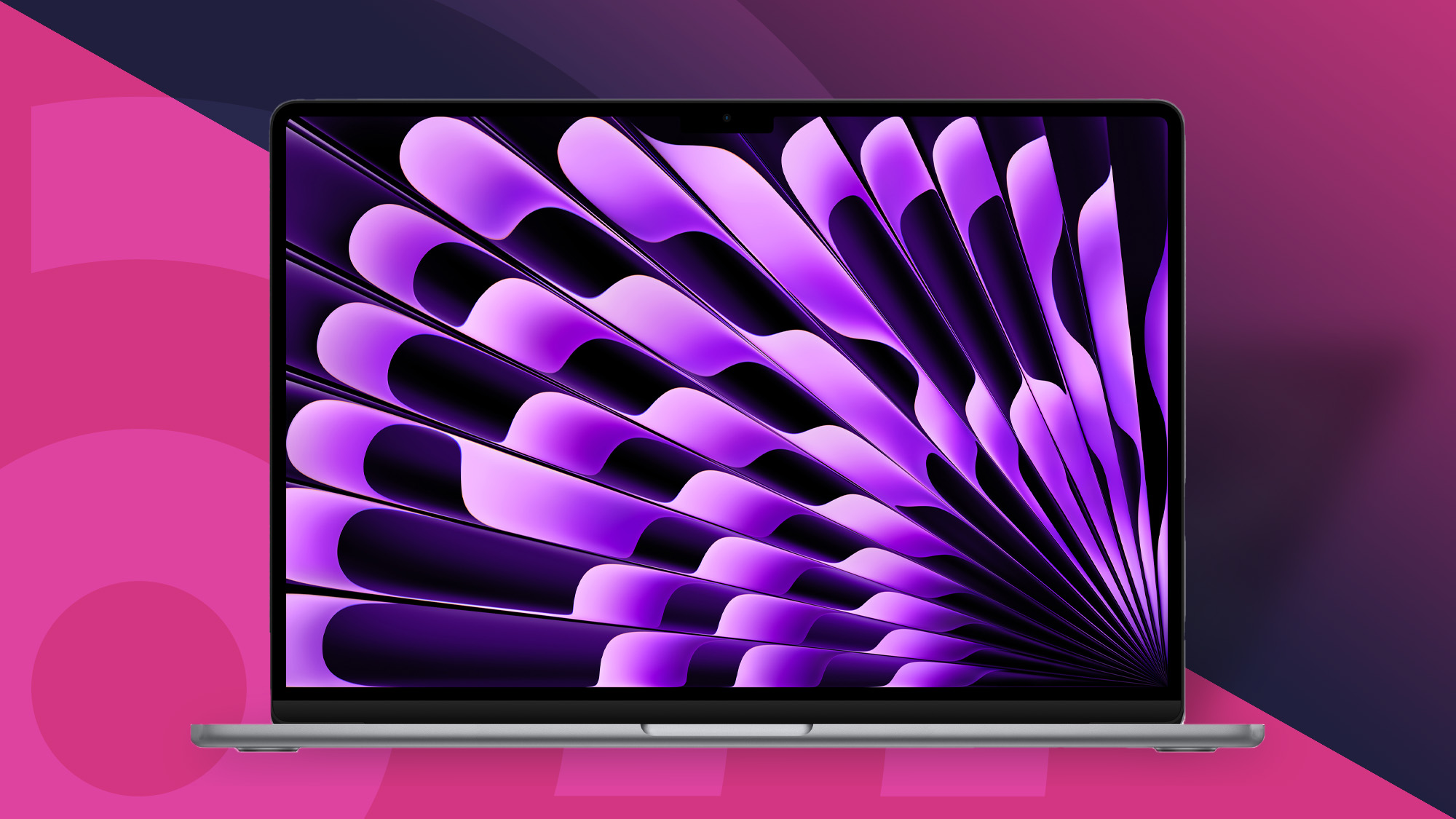
7. Apple MacBook Neo 13: Best Portable Mac

Pros
- Compact 13-inch Liquid Retina display
- A18 Pro chip
- Up to 16 hours of stated battery life
- 1080p FaceTime HD camera
- Lightweight aluminum design
Cons
- 8GB unified memory
- 256GB SSD is limited for large design libraries
- Small display offers less canvas space
Best for: designers who prioritize a light, mobile macOS laptop for everyday creative work.
The Apple MacBook Neo 13 is the easiest laptop here to carry all day. Its aluminum enclosure weighs about 2.71 pounds, and the compact 13-inch design is far less demanding to pack than the gaming machines. That portability changes how it is used: it is a good fit for sketching ideas, reviewing layouts, handling school assignments, and making edits from places where a 16-inch laptop would feel cumbersome.
Apple pairs the A18 Pro chip with a Liquid Retina display that supports 1 billion colors. The display should be lively for photos and video, and the 1080p FaceTime HD camera is a useful step up for project calls and presentations. The listing does not provide a resolution, brightness figure, or color coverage measurement, so it is not possible to judge this screen as a professional color reference from the supplied information alone.
The biggest limitation is the configuration. The MacBook Neo has 8GB of unified memory and a 256GB SSD. That can work for a focused set of applications and cloud-based files, but large local libraries and layered documents will fill the drive more quickly than they would on the ASUS ROG Strix G16 with its 1TB SSD or the Dell 16 DC16251 with its listed 1TB capacity. The 8GB memory figure also gives less headroom than the 32GB Dell 16 Plus.
Battery life is one of the strongest practical claims in the listing, with up to 16 hours stated. Actual runtime depends on applications, display settings, and workload, but the figure explains why this is the most natural travel companion in the group. macOS also includes Apple Intelligence features, built-in security protections, FileVault encryption, automatic security updates, and integration with iPhone features such as calls, messages, and photo handoff.
This is not the Best laptop for graphic design for a 3D artist or anyone who needs a large local asset library. It is a better fit for a student, illustrator, or general creative user already comfortable with macOS and willing to work within a smaller screen and storage footprint. Choose the MacBook Neo for mobility and battery life. Choose the NIMO or Dell 16 Plus when a larger workspace and more memory matter more.
8. Dell 16 DC16251: Best Everyday Windows Laptop

Pros
- 16-inch FHD+ 16:10 screen
- 16GB of memory
- 1TB storage listed
- ComfortView Plus display feature
- One-year onsite service
Cons
- Intel integrated graphics
- FHD+ is less detailed than QHD+
- Less suitable for demanding rendering
Best for: everyday design, office work, online collaboration, and general Windows use.
The Dell 16 DC16251 is a practical all-rounder for someone whose design work sits alongside documents, meetings, browsing, and office applications. Its 16-inch screen is large enough for a comfortable workspace, but the laptop remains more conventional than the gaming-focused ASUS and Alienware. At about 4.37 pounds, it is not ultra-light, though it is easier to carry than either gaming option.
The display uses a 16:10 aspect ratio and reaches FHD+ resolution. That extra vertical space is useful for web layouts, long panels, and document-heavy workflows. Dell's ComfortView Plus is designed to reduce blue light while preserving true-to-life color, which may make long sessions more comfortable. The listing does not provide color coverage or brightness figures, so professional color work should still be checked on a suitable external display.
An Intel Core 7-150U processor and Intel graphics power the system. That pairing is appropriate for vector layouts, web design, light photo work, presentations, and general multitasking, but it is not aimed at the GPU-heavy workloads handled more confidently by the ASUS ROG Strix G16 or Alienware 16 Aurora. Dell's adaptive thermals adjust power and cooling based on whether the laptop is on a stable surface, a useful fit for switching between desk work and casual use.
The provided product information lists 16GB of memory and a 1TB size, giving the Dell a more comfortable local storage position than the Apple MacBook Neo 13. Its camera can reach FHD and includes wide dynamic range and temporal noise reduction for clearer calls in changing light. Dell also includes one year of onsite service, with support available at home or work for covered hardware issues that cannot be solved remotely.
The Dell 16 DC16251 is a stronger everyday choice than the HP when you prefer a 16:10 layout and a more compact screen size, but the HP gives you a physically larger canvas. The Dell 16 Plus is the upgrade for sharper QHD+ detail and 32GB memory, while the NIMO 15.6-inch Creator is the more interesting option for upgradeable creative hardware. Pick the DC16251 for general Windows design work and organized storage. Skip it if your work depends on dedicated graphics or high-resolution image editing.
How to choose best laptop for graphic design
The right laptop depends on the kind of design work you do, the size of your files, and how much of your day is spent carrying the machine rather than using it.
Display resolution and aspect ratio
A design laptop should give the canvas enough room for toolbars, panels, and reference material without making every element feel cramped. FHD is usable on a 15.6-inch display, while QHD+ provides finer detail and a sharper view of small interface elements. A 16:10 panel, such as those in the ASUS ROG Strix G16, Dell 16 Plus, and Dell 16 DC16251, adds vertical workspace compared with a traditional 16:9 screen.
Large does not automatically mean better. The HP's 17.3-inch HD+ display gives a broad physical view, but its resolution is modest for that size. Look for a panel with a resolution suited to the screen size, and verify color coverage separately when accurate color decisions are part of the job.
A bigger screen helps only when its resolution keeps fine artwork and interface text sharp.
Graphics hardware
Integrated graphics are enough for layouts, web design, light photo editing, and ordinary creative applications. The Radeon 660M in the NIMO and the Intel graphics in the Dell 16 DC16251 belong in that category. Dedicated graphics become more important for 3D modeling, GPU-accelerated effects, animation, and applications that use the graphics processor for rendering.
The GeForce RTX 5060 in the ASUS is the most capable graphics solution here, followed by the RTX 5050 in the Alienware. An RTX laptop usually has more cooling hardware and weight, so it is a poor fit if portability is your first concern. Match the GPU to the applications you use instead of assuming every design program benefits equally.
Memory capacity
Memory affects how many applications and large documents can stay open without slowing the workflow. 16GB is a reasonable starting point for general design, but 32GB gives more room for layered files, browser tabs, image libraries, and multiple creative applications. The Dell 16 Plus has the largest listed memory capacity at 32GB.
Upgrade support can extend a laptop's usefulness. The NIMO is described as supporting up to 64GB through two SO-DIMM slots, while the KAIGERR listing describes a path to 64GB as well. The Apple MacBook Neo has 8GB of unified memory, so it is better suited to a focused, mobile workflow than a heavily layered production setup.
Storage and project files
A 512GB SSD can support applications and active projects, but large image libraries, video assets, fonts, and local backups can fill it quickly. The ASUS provides a 1TB PCIe Gen 4 SSD, and the Dell 16 DC16251 listing includes a 1TB size. The NIMO and KAIGERR each list 512GB, with the NIMO supporting an SSD upgrade up to 4TB and the KAIGERR listing describing support up to 4TB.
The Apple MacBook Neo's 256GB SSD is the tightest option in this group. It can work when files are kept selectively or stored elsewhere, but it leaves less room for a growing local library. A fast SSD improves loading and file access, yet capacity is the first thing to check if your projects contain many large assets.
Portability and cooling
A dedicated GPU and powerful processor need cooling, and gaming laptops show the result in their weight and chassis size. The ASUS and Alienware are the heaviest picks, while the Apple MacBook Neo is the easiest to carry. The KAIGERR is relatively light for a 16-inch Windows laptop, though its graphics and display information are less complete.
Cooling also affects sustained performance. ASUS uses a vapor chamber, tri-fan cooling, and liquid metal, while Alienware uses a Cryo-Chamber design. Lighter integrated-graphics laptops generate less heat under ordinary design work. If you regularly move between home, campus, and client meetings, the lighter NIMO, KAIGERR, or MacBook Neo may be easier to live with.
Ports and external displays
A laptop becomes more useful at a desk when it can connect to a monitor, storage drive, camera card, and accessories without a collection of adapters. The NIMO is particularly flexible, with two full-function USB-C ports, HDMI 2.0, three USB-A ports, a Micro SD card reader, and a 3.5mm audio jack. The other listings provide less complete port information, so check the configuration if your workflow relies on a particular connection.
An external display can also solve the limitations of a built-in screen. This is especially relevant for the HP, Apple, and integrated-graphics models, where a larger or better-calibrated monitor may provide a more reliable design workspace. If you are planning to work at a permanent desk, how to balance laptop placement with external screen space can help shape the rest of the setup.
Frequently asked questions
Is a gaming laptop good for graphic design?
Yes, a gaming laptop can be an excellent design machine when it has a strong processor, dedicated graphics, and a suitable display. The ASUS ROG Strix G16 and Alienware 16 Aurora offer the most capable graphics hardware here. Their drawbacks are weight, gaming styling, and the need to check display characteristics rather than assuming a fast refresh rate means accurate color.
How much memory does a graphic design laptop need?
16GB is a sensible starting point for general design work, photo editing, and multitasking. 32GB gives more breathing room for large layered files and several creative applications running together. Upgradeable systems such as the NIMO and KAIGERR can be useful if your workload is likely to grow.
Is integrated graphics enough for graphic design?
Integrated graphics can handle vector work, web design, light photo editing, presentations, and everyday creative tasks. They are less suitable for complex 3D scenes, GPU-heavy effects, and demanding rendering. The NIMO's Radeon 660M is a reasonable integrated option, while the ASUS and Alienware are better for graphics-intensive work.
Does screen size matter for design work?
Screen size affects how comfortably you can view a canvas alongside toolbars and reference material. A 16-inch display is a useful middle ground, while the HP's 17.3-inch panel favors desk use and broad layouts. A smaller display such as the 13-inch MacBook Neo is easier to carry but may require more scrolling or an external monitor.
Is 256GB storage enough for a design laptop?
It can be enough for applications and a small active project set, especially when files are stored externally or in the cloud. It is less comfortable for large photo libraries, video assets, and many local projects. The Apple MacBook Neo has 256GB, while the ASUS and Dell 16 DC16251 provide more room with their listed 1TB capacities.
Should designers choose Windows or macOS?
Both platforms can support creative work, so the better choice depends on the applications, accessories, and workflow you already use. Windows provides more choice in dedicated graphics and upgradeable hardware, while the MacBook Neo emphasizes portability, battery life, and Apple device integration. Check application compatibility before switching platforms.

The bottom line
The ASUS ROG Strix G16 is the strongest all-purpose recommendation in this group. Its RTX 5060, Core i7-14650HX, 1TB SSD, and effective cooling give it the most convincing performance ceiling for demanding design, 3D, and GPU-accelerated work. Its weight is the weakness, but it is the Best laptop for graphic design here when capability matters more than carrying comfort.
The Dell 16 Plus is the better alternative for a designer who wants a sharp QHD+ 16:10 workspace and 32GB of memory without choosing a gaming chassis. For students and mobile users, the NIMO 15.6-inch Creator and Apple MacBook Neo make more sense, with the NIMO favoring ports and upgrade room and the Mac favoring low weight and battery life.
If you are undecided, choose the ASUS for demanding graphics work, the Dell 16 Plus for a high-resolution multitasking desk, and the MacBook Neo only when portability is the priority.
As an Amazon Associate we earn from qualifying purchases.