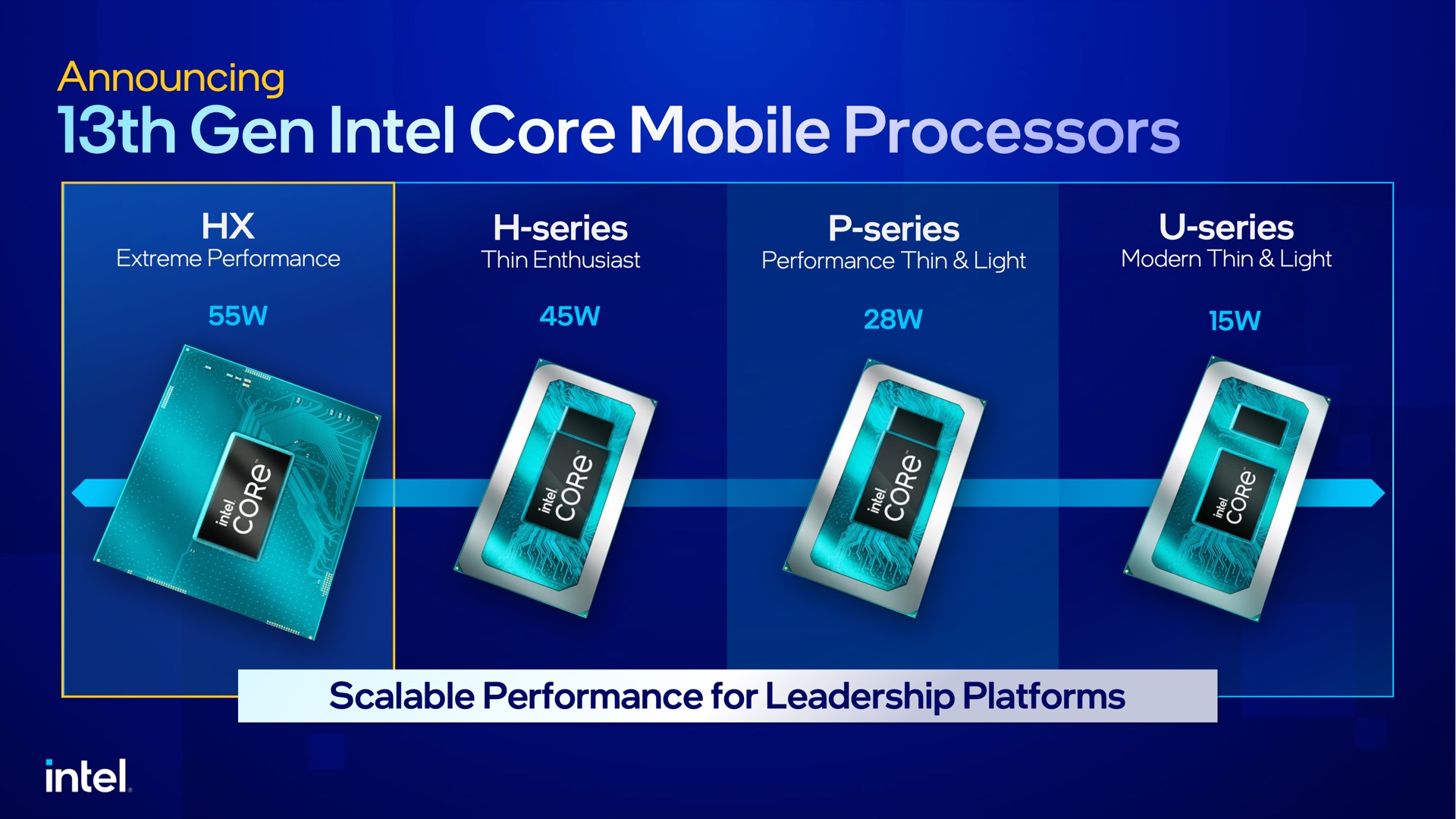

A laptop can feel quick in a browser and still struggle the moment you open a video call, a spreadsheet, and a dozen tabs together. The processor matters, but so do the memory, storage, cooling system, and screen attached to it. That is why choosing the Best laptop processor is really a matter of matching the whole machine to the work you do.
We ranked these nine laptops from gaming hardware to simple everyday systems. The ASUS ROG Strix G16 is the strongest pick for demanding workloads, while the Dell, Lenovo, HP, and MALLRACE models make more sense for productivity, study, and general use. The smaller HP 14 laptops and QSXQSX are more limited, but each has a clear audience.
Our top pick is the ASUS ROG Strix G16, with capable alternatives spanning large-screen business machines, portable notebooks, and basic Windows laptops.
Comparison table
| # | Product | Award | Processor | Memory and storage | Display | Best for |
|---|---|---|---|---|---|---|
| 1 | ASUS ROG Strix G16 | Best overall | Intel Core i7-14650HX | 16GB DDR5, 1TB Gen 4 SSD | 16-inch FHD+ 165Hz, 3ms | Gaming and demanding creative work |
| 2 | Dell 15.6-inch Core Ultra 7 Laptop | Best modern productivity laptop | Intel Core Ultra 7 255U | 1TB SSD | 15-inch FHD, up to 300 nits | Office work and AI-assisted tasks |
| 3 | MALLRACE i5-12600H Laptop | Best multitasking configuration | Intel Core i5-12600H | 24GB LPDDR5, 512GB SSD | 15.6-inch Full HD | Heavy browser and office multitasking |
| 4 | Lenovo V15 Ryzen 5 Laptop | Best business-focused laptop | AMD Ryzen 5 5500U | 16GB, 512GB SSD | 15.6-inch FHD | Office users needing Windows 11 Pro |
| 5 | HP 17.3-inch Ryzen 5 Laptop | Best large-screen laptop | AMD Ryzen 5 7430U | 32GB DDR4, 1TB SSD | 17.3-inch FHD IPS | Spreadsheets and desktop-style use |
| 6 | HP 14 N150 Laptop | Best compact everyday laptop | Intel N150 | 8GB DDR4, 256GB SSD plus 128GB UFS | 14-inch HD | Schoolwork and basic home use |
| 7 | KAIGERR 16-inch Laptop | Best spacious display for basics | 12th-generation Intel quad-core | 16GB DDR4, 512GB SSD | 16-inch FHD | Buyers who want a roomy screen |
| 8 | QSXQSX 15.6-inch Laptop | Best simple Office laptop | Intel 5205U | 4GB RAM, 128GB storage | 15.6-inch FHD | Documents, browsing, and streaming |
| 9 | HP 14 N150 Cloud Laptop | Best for light carry | Intel N150 | 4GB DDR5, 128GB SSD | 14-inch HD, 250 nits | Basic mobile computing |
1. ASUS ROG Strix G16: Best Overall

Pros
- Intel Core i7-14650HX is built for demanding workloads
- RTX 5060 graphics support modern gaming features
- 165Hz display has a fast 3ms response time
- 1TB PCIe Gen 4 SSD gives games and projects room to breathe
- Advanced vapor chamber and tri-fan cooling design
Cons
- At 5.84 pounds, it is not an especially light travel laptop
- 16GB of memory is less generous than the MALLRACE or HP 17 models
- Gaming-focused design is more conspicuous than the Dell or Lenovo
Best for: gamers, creators, and power users who need serious laptop performance.
The ASUS ROG Strix G16 is the obvious choice when processor performance is only part of the brief. Its Intel Core i7-14650HX is paired with an NVIDIA GeForce RTX 5060 Laptop GPU, so this is not merely a fast office laptop with a gaming badge. It is designed for games, demanding creative applications, and workloads that can keep many CPU cores busy.
The 16-inch display gives the chassis a useful working shape. Its 16:10 FHD+ panel provides more vertical room than a conventional widescreen layout, while the 165Hz refresh rate and 3ms response time are aimed squarely at smooth motion. That matters in fast games, but it also makes scrolling and cursor movement feel more immediate than on the 60Hz panels used by the HP 14 and QSXQSX laptops.
ASUS backs the processor and graphics hardware with an end-to-end vapor chamber, tri-fan cooling, and Conductonaut Extreme liquid metal on the chipset. Those are meaningful parts of the design because sustained performance depends on moving heat away from the components. The 1TB PCIe Gen 4 SSD is also a sensible fit for a gaming system, where large installations can quickly consume modest storage.
The trade-off is mobility. The Strix weighs 5.84 pounds, making the 3.75-pound Lenovo V15 and 3.67-pound Dell much easier to carry. Its 360-degree RGB light bar and gaming styling will not suit every workplace either, although the listed Stealth Mode can turn off the lighting. The 16GB DDR5 memory is adequate for gaming and many creative tasks, but the 24GB in the MALLRACE gives that less specialized laptop more headroom for browser-heavy work.
This is the laptop to buy when you want one machine for demanding games and serious multitasking. If your workload is mostly email, documents, and video calls, the Dell Core Ultra 7 laptop is a calmer and lighter fit. If gaming performance comes first, the ROG Strix G16 is the clear leader here.
2. Dell 15.6-inch Core Ultra 7 Laptop: Best Modern Productivity Laptop

Pros
- Intel Core Ultra 7 255U supports current productivity features
- NPU-powered AI functions are built into the platform
- Display reaches up to 300 nits
- Copilot key provides a dedicated shortcut
- Lifted hinges improve the typing angle and airflow
Cons
- The available listing gives limited detail about memory
- Integrated graphics are aimed at productivity rather than demanding games
- The display is smaller than the HP 17.3-inch model
Best for: office users who want a current Intel platform in a restrained 15-inch design.
The Dell 15.6-inch Core Ultra 7 Laptop is the most balanced productivity machine in this group. It does not try to be a gaming system, and it avoids the oversized shape of the HP 17.3-inch Ryzen 5 Laptop. Instead, it centers on the Intel Core Ultra 7 255U and a set of features intended for daily office work, multitasking, and newer AI-assisted tools.
Its 15-inch display is listed as FHD and reaches up to 300 nits, with a three-sided narrow bezel. That brightness ceiling should make text and presentations easier to see in a brighter room than the 250-nit HP 14 panel. Dell also includes ComfortView to reduce blue-light emissions, a useful consideration for people who spend long stretches reading documents or working in spreadsheets.
The Core Ultra platform includes an NPU for AI features, and the dedicated Copilot key gives those tools a physical shortcut. That does not turn routine work into something magical, but it does distinguish the Dell from the older Ryzen 5 5500U in the Lenovo V15 and the Intel 5205U in the QSXQSX. The 1TB SSD listed in the product information also gives it substantial room for documents, applications, and media.
The Dell weighs 3.67 pounds and measures 0.74 inches high, so it is a reasonable commuter machine without being an ultra-small notebook. Its lifted hinges are intended to improve the typing angle and airflow. The weakness is that the available information does not specify its memory capacity, so buyers who regularly run large creative projects or many virtual machines should consider the MALLRACE or HP 17 instead.
For someone deciding between newer platform features and straightforward office practicality, this is the strongest non-gaming pick. Readers choosing a work machine should also think about which processor traits matter most for everyday laptop work, rather than judging a system by the Core branding alone.
3. MALLRACE i5-12600H Laptop: Best Multitasking Configuration

Pros
- 12th-generation Core i5-12600H has 12 cores and 16 threads
- 24GB LPDDR5 memory is unusually well suited to multitasking
- Dual M.2 slots support storage expansion
- Full HD display and 180-degree hinge
- Wi-Fi 6, Bluetooth 5.2, and a broad port selection
Cons
- Integrated Intel Iris Xe graphics are not a substitute for the ASUS GPU
- The plastic construction is less refined than a premium chassis
- The 1MP webcam is basic
Best for: students and professionals who keep many applications and browser tabs open.
The MALLRACE i5-12600H Laptop makes a strong case for prioritizing the complete configuration over the name on the processor badge. Its Core i5-12600H has 12 cores and 16 threads, and the 24GB of LPDDR5 memory is the standout detail. For a laptop used with numerous browser tabs, office applications, video calls, and background utilities, that memory capacity can be more useful than a marginally newer processor.
The 15.6-inch Full HD screen is a sensible workspace for documents and split windows. A 180-degree hinge lets the display lie flat for sharing content across a table, while the 1.65kg chassis is lighter than the Lenovo V15 and far lighter than the ASUS ROG Strix G16. The 54.72Wh lithium-polymer battery is listed as supporting all-day use, though actual endurance will depend heavily on brightness and workload.
Storage is more flexible than the single drive capacity suggests. The laptop has a 512GB M.2 NVMe PCIe 3.0 SSD and dual M.2 slots, with support for up to 4TB total storage according to the feature list. That makes it more adaptable than the QSXQSX, whose built-in 128GB storage is much tighter. Three USB 3.2 ports, two Type-C ports, HDMI 1.4, Wi-Fi 6, and Bluetooth 5.2 give it a practical collection of connections.
The weakness is graphics. Intel Iris Xe graphics can handle everyday display work, editing, streaming, and presentations, but they do not place this laptop in the same class as the ASUS with its RTX 5060. The durable plastic build is another reminder that this is a function-first machine, and the 1MP webcam is serviceable rather than impressive.
Choose the MALLRACE over the Lenovo V15 if memory headroom matters more than Windows 11 Pro and a business-oriented port selection. Choose the Dell if you prefer a more current platform with a brighter listed display and built-in AI features. For heavy multitasking on a conventional Windows laptop, the MALLRACE is one of the most convincing configurations here.
4. Lenovo V15 Ryzen 5 Laptop: Best Business-Focused Laptop

Pros
- Ryzen 5 5500U has six cores and 12 threads
- 16GB memory and 512GB NVMe SSD suit office multitasking
- Windows 11 Pro includes business management features
- FHD display with numeric keyboard
- HDMI, USB-C, USB-A, and RJ45 Ethernet
Cons
- The processor is an older generation than the Dell and ASUS chips
- At 3.75 pounds, it is not the lightest 15-inch option
- The listing provides no battery capacity
Best for: office users who need Windows 11 Pro, Ethernet, and a numeric keypad.
The Lenovo V15 Ryzen 5 Laptop is built around practical office habits. The numeric keyboard is handy for spreadsheets and data entry, while the 15.6-inch FHD screen gives documents and web pages enough room without the bulk of the HP 17.3-inch machine. It is a straightforward laptop, but its useful ports and Windows 11 Pro installation make it more business-ready than several of the simpler models.
The AMD Ryzen 5 5500U has six cores, 12 threads, and a boost speed of up to 4.0GHz. That is a sensible level of CPU hardware for office suites, browser-heavy work, video conferencing, and light content tasks. Its 16GB of memory avoids the tight multitasking ceiling of the 4GB laptops from QSXQSX and HP, while the 512GB PCIe NVMe M.2 SSD should make booting and application launches feel responsive.
Connectivity is one of the Lenovo's strongest arguments. It includes USB 3.0 Type-A, USB 2.0 Type-A, USB Type-C, HDMI, a headphone and microphone combo jack, and RJ45 Ethernet. A wired network port still matters in offices, classrooms, and home workspaces where wireless performance is inconsistent. Windows 11 Pro adds features such as Group Policy, enterprise roaming, assigned access, and business update controls.
Against the MALLRACE, the Lenovo has less memory and a lower listed processor boost speed, but it offers Windows 11 Pro and a numeric keypad. Against the Dell, it uses an older Ryzen platform and lacks the listed NPU features. The 3.75-pound chassis is also less convenient for frequent travel, and no battery capacity is provided, so buyers who spend all day away from a socket should be cautious.
The V15 is a good fit when work requirements are specific rather than glamorous. It makes more sense than the HP 14 laptops for a user who needs Ethernet and a full numeric keypad, and it is easier to justify than the ASUS if games and GPU-heavy applications are not part of the plan.
5. HP 17.3-inch Ryzen 5 Laptop: Best Large-Screen Laptop

Pros
- Ryzen 5 7430U has six cores and 12 threads
- 32GB DDR4 memory and a 1TB SSD support large projects
- 17.3-inch FHD IPS display offers a roomy workspace
- Windows 11 Pro and numeric keypad suit office work
- Fast Charge and Wi-Fi 6 are useful daily features
Cons
- The 4.6-pound chassis is cumbersome for regular commuting
- Large footprint is not ideal for small desks
- It is less portable than the Dell, Lenovo, or HP 14
Best for: spreadsheet-heavy work and users who want a laptop that behaves like a desktop replacement.
The HP 17.3-inch Ryzen 5 Laptop is the one to choose when screen area matters more than portability. A large display changes how comfortably you can view a spreadsheet, presentation, or two application windows side by side. The FHD IPS panel also has wide 178-degree viewing angles and an anti-glare finish, which is a better setup for shared documents than a small, narrow laptop screen.
Its Ryzen 5 7430U uses six cores and 12 threads, with speeds up to 4.3GHz. That places it in the same broad productivity class as the Lenovo, but the HP has a more generous configuration: 32GB of DDR4 memory and a 1TB SSD. Those capacities are useful for keeping numerous applications open and storing substantial files locally without immediately managing external drives.
Windows 11 Pro gives the HP business-oriented controls, while the full-size keyboard includes a numeric keypad. The dedicated Copilot key provides a direct route to Microsoft's assistant, and the USB-C, USB-A, and HDMI ports make it easier to build a basic workstation around an external display or accessories. Wi-Fi 6 and Bluetooth 5.4 cover current wireless connections.
HP also lists Fast Charge that restores up to 50 percent battery in approximately 45 minutes. That is helpful for a large notebook that may spend much of its life on a desk but still needs to be moved between rooms. The 4.6-pound weight is the obvious penalty. It is much less pleasant to carry than the 3.24-pound HP 14 N150 Cloud Laptop, and its footprint can overwhelm a shallow desk.
The HP 17 beats the Lenovo V15 on memory, storage, and viewing area, while the Lenovo is the easier machine to carry and still has a numeric keypad. It cannot challenge the ASUS ROG Strix G16 for gaming, but that is not its purpose. For a home office, records work, or anyone who simply prefers a big canvas, this is the most comfortable productivity option.
6. HP 14 N150 Laptop: Best Compact Everyday Laptop

Pros
- Intel N150 has four cores and boosts up to 3.6GHz
- 256GB SSD plus 128GB UFS storage
- Wi-Fi 6 and Bluetooth 5.4
- HDMI, USB-C, and two USB-A ports
- 720p camera with privacy shutter
Cons
- 1366 by 768 display resolution is modest
- 8GB memory limits demanding multitasking
- Windows 11 Home is supplied in S Mode
Best for: students and home users who need a compact machine for ordinary daily tasks.
The HP 14 N150 Laptop is a compact everyday notebook that gets the fundamentals right. Its four-core Intel N150 processor is intended for web browsing, documents, video streaming, online learning, and other light tasks. This is not a machine for heavy editing or demanding games, but it is more focused than the 4GB laptops lower in this list.
The 14-inch screen uses a 1366 by 768 resolution, 250 nits brightness, and an anti-glare coating. That resolution is noticeably less spacious than the FHD panels on the Lenovo, MALLRACE, and QSXQSX, so users working with large spreadsheets may prefer a larger machine. The smaller format is easier to position on a crowded desk, though, and the 84 percent screen-to-body ratio keeps the chassis from feeling needlessly bulky.
Storage is split between a 256GB SSD and 128GB of UFS storage. The SSD should keep Windows and commonly used applications responsive, while the secondary storage provides more space for documents, photos, and videos. The 8GB of DDR4 memory is enough for normal school and home use, but it is not as comfortable with a large number of browser tabs as the MALLRACE's 24GB or the HP 17's 32GB.
The port selection is strong for a small notebook. There is USB-C, two USB-A ports, HDMI 1.4, and a headphone and microphone combo jack. Wi-Fi 6 and Bluetooth 5.4 provide current wireless connectivity, and the 720p camera includes a privacy shutter. The included Microsoft 365 Personal subscription and Copilot key add convenience, although Windows 11 Home in S Mode may feel restrictive to users who need to install software outside its normal app environment.
Compared with the HP 14 N150 Cloud Laptop, this model offers more memory, faster secondary storage, and a more complete connectivity specification. It is less attractive for anyone who needs a Full HD workspace, but it is the safer all-around choice for schoolwork and basic household computing. For a broader look at the features that matter in a home computer, focus on screen comfort and storage as closely as the processor.
7. KAIGERR 16-inch Laptop: Best Spacious Display for Basics

Pros
- 16GB memory and 512GB SSD are useful for ordinary multitasking
- 16-inch display provides more workspace than compact laptops
- Wi-Fi 6 and USB 3.2 support current peripherals
- SSD can be replaced with a drive up to 2TB
- Listed eight-hour battery life
Cons
- Quad-core processor is behind the stronger CPUs in this group
- Integrated UHD graphics are intended for basic use
- The 38Wh battery is relatively small on paper
Best for: buyers who want a large FHD screen without moving to a 17.3-inch laptop.
The KAIGERR 16-inch Laptop is defined by its screen and sensible everyday configuration. The 16-inch display gives documents, web pages, and streaming content more breathing room than the 14-inch HP models. Its thin bezels and wide viewing angle are useful when the laptop is shared, although the feature information identifies the panel as Full HD without giving a brightness figure.
The 12th-generation Intel quad-core processor runs at up to 3.4GHz and includes integrated UHD graphics clocked up to 1200MHz. That is enough foundation for browsing, office work, streaming, and light multitasking, but it is not a direct rival to the six-core Ryzen chips in the Lenovo and HP 17. The ASUS ROG Strix G16 is in another category entirely because of its dedicated RTX 5060 graphics.
The 16GB of DDR4 memory is a good match for this processor, and the 512GB M.2 SSD leaves useful room for applications and files. KAIGERR says the SSD can be replaced with a drive up to 2TB, giving the laptop a clearer upgrade path than the QSXQSX and the small HP 14 model. Wi-Fi 6, USB 3.2, and Type-C connectivity cover the essentials for modern accessories.
Battery information needs a little caution. The listed 38Wh battery is described as supporting eight hours, but endurance varies with screen brightness, wireless activity, and workload. The 1.6kg chassis is relatively easy to carry for a 16-inch model, making it more portable than the 4.6-pound HP 17. The feature list also mentions 12 months of repair and unlimited technical support.
Choose this over the HP 14 N150 if screen space and memory matter more than compact dimensions. Choose the Lenovo V15 if you need Windows 11 Pro, a numeric keypad, and Ethernet. The KAIGERR is a reasonable middle ground for basic work, but buyers should not confuse its large display with high-end processor performance.
8. QSXQSX 15.6-inch Laptop: Best Simple Office Laptop

Pros
- 15.6-inch FHD display offers a comfortable basic workspace
- Windows 11 and a one-year Office 365 subscription are included
- Storage can be expanded to 512GB
- Type-C, HDMI, and SD card reader are useful
- Listed weight is 3.6 pounds
Cons
- 4GB of memory is a serious multitasking limitation
- Intel 5205U is an older, modest processor
- Built-in storage starts at 128GB
Best for: light document work, web browsing, and streaming with few applications open at once.
The QSXQSX 15.6-inch Laptop is a simple Windows machine with one particularly useful advantage: its display is Full HD. That makes text and web layouts more comfortable than the 1366 by 768 panels on the two HP 14 models. It is also relatively light at 3.6 pounds, so carrying it to class or between rooms should not be especially demanding.
The Intel 5205U runs at a 1.9GHz base frequency. The feature list positions it for online learning, office work, browsing, and video streaming, which is the right expectation. It is not suited to heavy multitasking, and the 4GB of RAM is the clearest constraint. A few browser tabs and a document are realistic; large collections of open tabs or multiple demanding applications will expose the limitation quickly.
Storage begins at 128GB, with an expansion slot supporting up to 512GB. That flexibility helps, but users who keep a large local photo or video collection may reach the initial capacity quickly. The Type-C port, HDMI output, SD card reader, and other listed connections make it easier to attach a display, transfer photos, or use ordinary peripherals.
The QSXQSX includes Windows 11 and a one-year Office 365 subscription, allowing a buyer to begin with Word, Excel, and PowerPoint. Its dual-band Wi-Fi 5 and Bluetooth 4.2 are functional, though older than the Wi-Fi 6 and Bluetooth 5.4 combinations found on newer HP and Dell models. That difference matters most in homes with busy wireless networks or newer accessories.
This is a better fit than the HP 14 N150 Cloud Laptop for anyone who values a Full HD screen and expects to use only a few applications at a time. The HP 14 N150 Laptop is the stronger compact everyday machine because it has more memory and a larger primary SSD. If your needs are mostly documents and streaming, the QSXQSX keeps the setup uncomplicated.
9. HP 14 N150 Cloud Laptop: Best for Light Carry

Pros
- Intel N150 processor has four cores and a listed boost up to 4.4GHz
- Slim 0.71-inch profile
- USB-C, USB-A, HDMI, and audio connectivity
- 14-inch anti-glare display reaches 250 nits
- One year of Microsoft 365 is included
Cons
- 4GB memory is restrictive for modern multitasking
- 128GB SSD leaves limited local room
- The product information has conflicting weight details
Best for: light documents, browsing, and users who prioritize a slim chassis.
The HP 14 N150 Cloud Laptop is aimed at the lightest sort of Windows workload. Its Intel N150 has four cores and a listed boost speed of up to 4.4GHz, but the processor name should not be read as a promise of workstation performance. The feature list positions it for business, student, and everyday use, which means documents, browsing, email, and streaming rather than intensive creation.
The 14-inch HD display has 250 nits brightness and an anti-glare coating. It is a modest panel, but the coating can help when overhead lighting creates reflections. The chassis is listed at 0.71 inches thick, and the compact dimensions make it easier to slide into a bag than the 15.6-inch and 17.3-inch alternatives. The product information contains conflicting weight details, so we would not use the listed weight as a deciding factor.
Connectivity is better than the limited memory suggests. The laptop has USB 3.0 Type-C, USB 3.0 Type-A, HDMI, and a headphone and microphone combo jack, along with Wi-Fi and Bluetooth. The one-year Microsoft 365 inclusion is useful for users who mainly need familiar office applications, but the 128GB SSD can fill quickly once updates, media, and personal files accumulate.
The 4GB of RAM is the central weakness. It may be enough for a narrow set of basic tasks, but it gives the system little room when several browser tabs and applications are open together. The HP 14 N150 Laptop above is a better choice for more flexible everyday use because it has 8GB memory, a 256GB SSD, and additional 128GB UFS storage.
This HP makes sense for someone who carries a laptop often and keeps the workload deliberately light. It should be skipped by buyers who want a long-lived general-purpose computer, heavy multitasking, or a comfortable Full HD workspace. For guidance on keeping a basic laptop responsive over time, memory and storage capacity deserve particular attention.

How to choose the best laptop processor
The processor sets the ceiling for many tasks, but the right laptop also needs enough memory, suitable storage, a comfortable display, and cooling that matches its workload.
Processor class and core count
Core count and processor family give a useful first indication of capability. The ASUS Core i7-14650HX and MALLRACE Core i5-12600H have considerably more headroom for demanding work than the Intel 5205U in the QSXQSX. The Ryzen 5 5500U and Ryzen 5 7430U sit in a strong middle ground for office multitasking, while the Intel N150 models are designed for lighter computing.
Clock speed alone is not enough. Architecture, cooling, core count, and the power profile of the laptop all affect sustained performance. A processor with more cores is generally better suited to compiling, editing, large spreadsheets, and running many applications at once.
Choose the processor for the heaviest task you regularly perform, not the lightest task you do every day.
Memory capacity
Memory determines how much software the laptop can keep ready without relying heavily on slower storage. The 4GB configurations in the QSXQSX and HP 14 N150 Cloud Laptop are suitable only for restrained workloads. The 8GB HP 14 N150 Laptop is more comfortable for ordinary study and home use, while 16GB is a better baseline for sustained multitasking.
The MALLRACE has 24GB of LPDDR5 memory, and the HP 17 has 32GB of DDR4. Those machines are better suited to many browser tabs, large documents, and multiple active applications. Buyers should check whether memory is upgradeable, since soldered memory can limit future flexibility.
Storage type and capacity
An SSD makes a large difference to boot times, application launches, and general responsiveness. The NVMe SSDs listed in the MALLRACE and Lenovo V15 are a better fit for a busy system than a small, nearly full drive. Capacity matters just as much. A 128GB drive can become cramped after Windows, applications, updates, and personal files are installed.
The KAIGERR has a 512GB M.2 SSD that can be replaced with a drive up to 2TB. The MALLRACE goes further with dual M.2 slots and support for up to 4TB total storage. Those expansion options are useful for anyone planning to keep a laptop for several years.
Display size and resolution
A 14-inch laptop is easier to carry, but a 15.6-inch or 16-inch screen gives documents more room. The HP 17.3-inch model is the most comfortable for spreadsheets and side-by-side windows, while the QSXQSX and Lenovo use FHD panels that provide more workspace than the HD screens on the HP 14 models.
Brightness and anti-glare treatment affect comfort in real rooms. The Dell is listed at up to 300 nits, while both HP 14 displays list 250 nits. Gamers should also pay attention to refresh rate and response time. The ASUS is the only model here with a 165Hz, 3ms display.
Ports and operating system
Ports can determine whether a laptop works smoothly in an office or classroom. HDMI is useful for projectors and external screens, USB-C helps with modern accessories, and RJ45 Ethernet remains valuable where wireless networks are unreliable. The Lenovo V15 is particularly practical here because it includes HDMI, USB ports, USB-C, and RJ45.
Windows 11 Pro adds management and security features aimed at business users. Windows 11 Home is adequate for ordinary home and student use, while S Mode can restrict application installation. Check the operating system before buying if you need specialist software or enterprise controls.
Frequently asked questions
Which laptop has the strongest processor?
The ASUS ROG Strix G16 has the strongest overall performance platform in this group. It combines an Intel Core i7-14650HX with an RTX 5060 Laptop GPU and a cooling system designed for sustained gaming and demanding applications.
Is the Intel N150 suitable for everyday laptop use?
Yes, the Intel N150 is suitable for browsing, documents, email, streaming, and online learning. The HP 14 N150 Laptop with 8GB memory is a more flexible everyday configuration than the HP 14 N150 Cloud Laptop with 4GB.
How much RAM should a laptop have?
For basic browsing and documents, 8GB is a more comfortable starting point than 4GB. Users who keep many tabs open or run several applications should consider 16GB or more, such as the Lenovo, KAIGERR, MALLRACE, or HP 17 configurations.
Is a Full HD display important on a laptop?
Full HD gives you more workspace and sharper text than a 1366 by 768 display at a similar screen size. It is especially helpful for spreadsheets, split-screen work, and detailed web pages. The QSXQSX, Lenovo, MALLRACE, HP 17, and ASUS models all list Full HD or FHD-class displays.
Which laptop is easiest to carry?
The HP 14 N150 Laptop is listed with a slim 0.71-inch profile, while the HP 14 N150 Laptop in the sixth position is listed at one pound in its product information. The data for the other HP 14 model also includes a conflicting weight detail, so buyers should treat the published weight information carefully.
Is Windows 11 Pro useful for home users?
Windows 11 Pro is most useful for people who need business management, domain-related controls, assigned access, or other professional features. For ordinary home use, Windows 11 Home is generally sufficient. The Lenovo V15 and HP 17 are the Windows 11 Pro models in this group.
Can these laptops handle gaming?
The ASUS ROG Strix G16 is the only clear gaming-focused choice because it includes an RTX 5060 Laptop GPU and a 165Hz display. The other laptops use integrated graphics or are positioned for everyday computing, so they should be treated as productivity machines rather than gaming systems.
The bottom line
The Best laptop processor pick here is the ASUS ROG Strix G16 because its Core i7-14650HX, RTX 5060 graphics, fast 165Hz display, and gaming-focused cooling give it the most capability by a wide margin. For office work rather than games, the Dell 15.6-inch Core Ultra 7 Laptop is the more restrained choice, with a newer productivity platform, a brighter listed display, and a lighter chassis.
The MALLRACE i5-12600H Laptop is the alternative we would choose for browser-heavy multitasking because its 24GB of LPDDR5 memory and expandable storage are unusually practical. The Lenovo V15 Ryzen 5 Laptop is better for users who need Windows 11 Pro, Ethernet, and a numeric keypad, while the HP 17 is the comfortable large-screen option.
If you are undecided, choose the ASUS for demanding work, the Dell for modern office use, and the MALLRACE when keeping many applications open matters most.
As an Amazon Associate we earn from qualifying purchases.