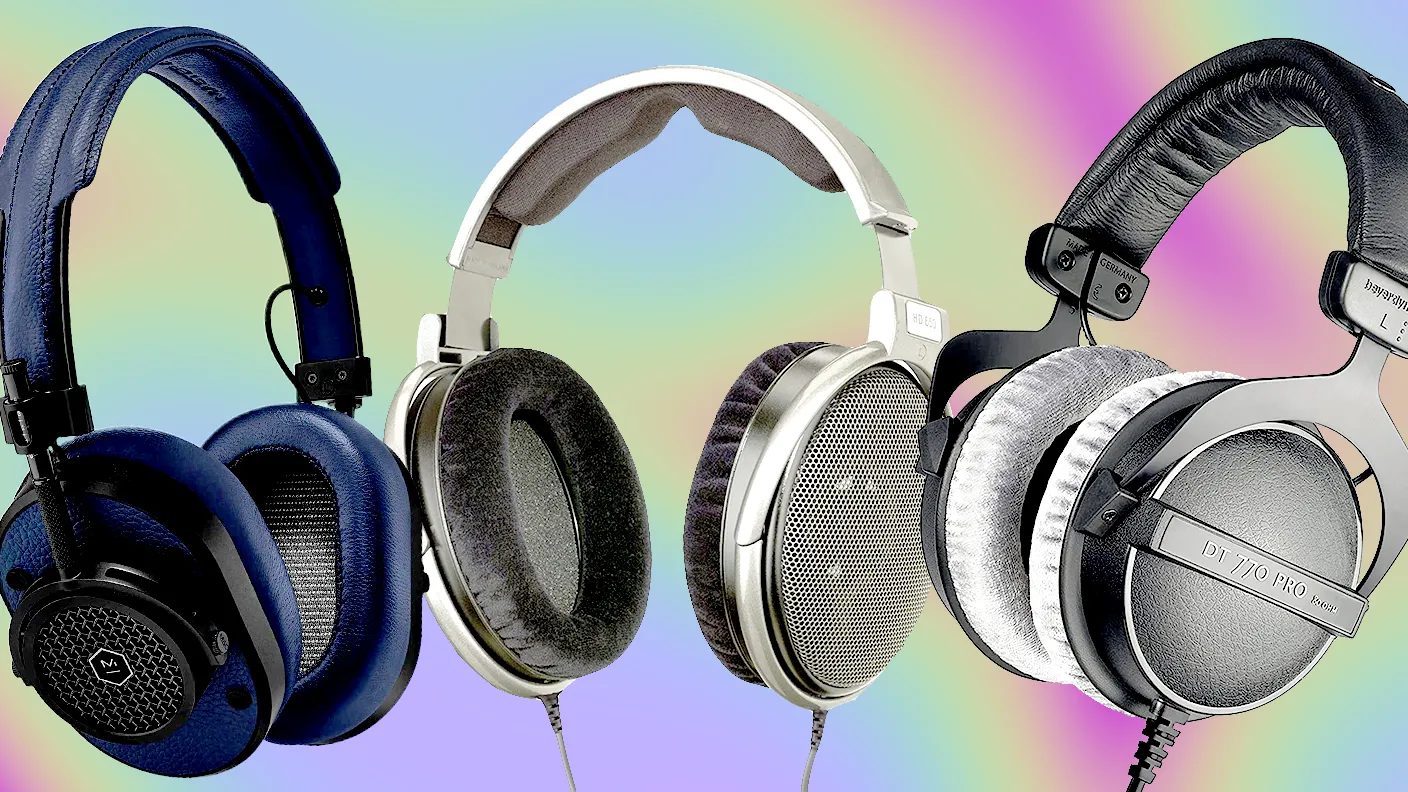

A dead battery, missing adapter, or unreliable wireless connection can turn a simple listening session into a troubleshooting exercise. Wired headphones remove that layer, but the differences between lightweight earbuds, sealed studio models, and open-back audiophile designs are substantial.
Our Best wired headphones guide separates those trade-offs clearly. Sony ZX Series MDR-ZX110 is the best all-around starting point, while the rest of the list covers calls, travel, DJ monitoring, studio work, spacious home listening, USB-C devices, and traditional 3.5mm equipment.
Comparison table
| # | Product | Award | Connection | Design | Best for |
|---|---|---|---|---|---|
| 1 | Sony ZX Series MDR-ZX110 | Best overall | 3.5mm | Closed-back on-ear | Travel and everyday listening |
| 2 | JBL Tune 500 | Best on-ear comfort | 3.5mm with remote and mic | Foldable on-ear | Calls and commuting |
| 3 | Apple EarPods USB-C | Best USB-C earbuds | USB-C | Earbud | USB-C phones and tablets |
| 4 | Sony MDR7506 | Best for monitoring | 3.5mm and 1/4-inch adapter | Closed-back over-ear | Recording and critical listening |
| 5 | OneOdio Pro-10 | Best for DJ monitoring | 3.5mm and 6.35mm | Swiveling over-ear | DJs and home studios |
| 6 | Botesty Sound Wired Headphones | Best travel features | 3.5mm with mic | Foldable over-ear | School and travel |
| 7 | Audio-Technica ATH-M20x | Best studio isolation | Wired 3.5mm | Circumaural over-ear | Studio tracking |
| 8 | Sennheiser HD 599 SE | Best open-back sound | 3.5mm and 6.3mm cables | Open-back over-ear | Home music listening |
| 9 | Apple EarPods 3.5mm | Best traditional earbuds | 3.5mm | Earbud | Phones and laptops with headphone jacks |
1. Sony ZX Series MDR-ZX110: Best Overall

Pros
- Lightweight on-ear design
- Closed-back earcups help contain sound
- Swiveling earcups fold for storage
- L-shaped 3.5mm plug
- Wide stated frequency range
Cons
- No built-in microphone or remote
- On-ear pads provide less isolation than large over-ear models
- Cord is not detachable
Best for: someone who wants simple wired headphones for travel, music, and everyday use.
The Sony ZX Series MDR-ZX110 gets the fundamentals right without making the listener manage extra features. It is light enough to disappear into a bag, and the swiveling earcups make it easier to store than a rigid pair. The closed-back construction keeps the presentation focused and helps reduce some outside sound, though these on-ear cups will not isolate like Sony's larger MDR7506.
Its 30mm neodymium dynamic drivers are designed for a punchy, rhythmic response. Sony lists a 12 Hz to 22 kHz frequency range, which gives the headphones room to reproduce bass, midrange, and treble across ordinary music sources. The useful part is the tuning goal, not the outer numbers. These are intended to sound lively rather than strictly analytical, making them a more relaxed daily listen than the studio-oriented Audio-Technica ATH-M20x.
The 3.94-foot cord ends in an L-shaped 3.5mm stereo mini plug, and the 24-ohm impedance makes the headphones a straightforward match for common portable devices with a headphone jack. There is no microphone, playback button, or volume control, so this is a listening-first design. That simplicity is an advantage for a music player or laptop, but a drawback if calls are part of the routine.
The real limitation is the fit. On-ear cushions rest against the ears, and some listeners will prefer the deeper seal of the OneOdio Pro-10 or Audio-Technica ATH-M20x. The cord is also fixed, so replacing it is not an option if it becomes damaged. Still, the compact folding design and lively sound make this the easiest recommendation for readers who want uncomplicated wired listening. For more choices focused specifically on larger earcups, our guide to how over-ear designs change isolation and comfort is a useful next step.
2. JBL Tune 500: Best On-Ear Comfort

Pros
- Lightweight foldable construction
- JBL Pure Bass tuning
- One-button remote and microphone
- Flat cable resists tangling
- Voice assistant access
Cons
- On-ear design does not fully surround the ears
- No detachable cable
- Remote functionality depends on the connected device
Best for: commuters and callers who want lightweight on-ear headphones with simple controls.
The JBL Tune 500 is the more practical on-ear alternative to the Sony ZX Series MDR-ZX110. Its strongest argument is not a complicated feature set. It is the combination of a light, foldable frame, a flat cable, and a one-button remote with a microphone. Those details matter when the headphones are used on a commute or moved between a laptop and phone throughout the day.
JBL's Pure Bass sound gives the Tune 500 a clear personality. It is aimed at listeners who want rhythmic tracks to have presence, rather than a deliberately neutral monitor-style balance. The sound profile makes it a more energetic choice than the Audio-Technica ATH-M20x, while the on-ear form keeps the headphones smaller than most over-ear models in this roundup.
The remote can control music, manage calls, and summon Siri or Google Now with a button press. That is a meaningful advantage over the Sony ZX Series MDR-ZX110, which is purely for listening. The flat cable is also less prone to the familiar pocket knot than a conventional round lead, although the cable remains permanently attached.
The compromise is familiar to anyone choosing compact on-ear headphones. The pads sit on the ears instead of enclosing them, so outside noise can remain noticeable and the fit may become less comfortable during very long sessions. The JBL Tune 500 is also not the pick for detailed studio work. Choose it over the Sony when calls and controls matter more than the simplest possible build, and skip it if you need serious isolation or a spacious home-listening presentation.
3. Apple EarPods USB-C: Best USB-C Earbuds

Pros
- Direct USB-C connection
- Built-in remote and microphone
- Lightweight earbud design
- Works with USB-C devices
- Controls music, video, calls, and volume
Cons
- Earbud fit is not as isolating as sealed headphones
- No 3.5mm compatibility
- Fit depends on individual ear shape
Best for: people using USB-C phones, tablets, or computers who prefer earbuds that do not seal inside the ear canal.
The Apple EarPods USB-C solve a very specific connection problem cleanly. They plug directly into a USB-C port, so there is no separate 3.5mm adapter to carry. That makes them a natural fit for newer phones and tablets that have moved away from the traditional headphone socket.
Their shaped earbud design is intended to follow the geometry of the ear instead of using a fully circular housing. This can feel more open and less intrusive than in-ear headphones, but it also means the fit is personal. The earbuds do not create the same physical seal as the Sony MDR7506 or Audio-Technica ATH-M20x, so they let more surrounding sound through and provide less passive isolation.
A built-in remote handles music and video playback, volume, and calls with a pinch of the cord. The integrated microphone is designed for phone calls, FaceTime, and Siri, making these far more useful for communication than the Sony ZX Series MDR-ZX110. Their very low listed weight also makes them easy to keep connected for long stretches without the headband pressure of larger models.
The USB-C plug is both the reason to buy these and the reason to avoid them. They are not a universal choice for older laptops, audio interfaces, or phones that still use a 3.5mm jack. Readers comparing small wired options can also consider what makes a non-sealing earbud comfortable for long listening. Pick the Apple EarPods USB-C when direct device compatibility and call controls matter more than isolation.
4. Sony MDR7506: Best for Monitoring

Pros
- 40mm neodymium drivers
- Closed-ear design reduces outside noise
- Rugged foldable construction
- Includes 1/4-inch adapter
- Soft case included
Cons
- Fixed 9.8-foot cord
- Long cable is cumbersome for portable listening
- Closed design is less spacious than open-back headphones
Best for: recording, monitoring, and home audio setups that need a long cable and closed earcups.
The Sony MDR7506 is the pair to reach for when the headphone needs to stay put in a studio or home audio setup. Its closed-ear design provides useful isolation, and the rugged construction feels more purposeful than the portable on-ear models above it. These are not trying to be pocket headphones, even though the earcups fold and a soft case is included.
Sony uses 40mm drivers with neodymium magnets and lists a 10 Hz to 20 kHz frequency response. In practical terms, the large drivers and closed housing are intended to provide a detailed, contained presentation that works well when monitoring audio. The design is more revealing and work-focused than the bass-forward JBL Tune 500, while the closed cups make it a better noisy-room tool than the open-back Sennheiser HD 599 SE.
The 9.8-foot cord is a major part of the MDR7506's studio identity. It gives plenty of reach around a recording desk, and the included 1/4-inch adapter makes the headphones easier to connect to larger audio equipment. The downside is obvious when using a phone or laptop on the move. The cord is not detachable, so it cannot be shortened or replaced with a more convenient lead.
The MDR7506 also lacks a microphone and remote, which makes it less suitable for calls than the JBL Tune 500 or either Apple EarPods model. Listeners seeking an expansive, relaxed home presentation should choose the Sennheiser HD 599 SE instead. For monitoring vocals, instruments, or general recorded sound in a room where isolation matters, the Sony MDR7506 remains the more sensible tool.
5. OneOdio Pro-10: Best for DJ Monitoring

Pros
- 50mm drivers with neodymium magnets
- 90-degree swiveling earcups
- Supports 3.5mm and 6.35mm connections
- Padded ear cushions and adjustable headband
- Audio-sharing port
Cons
- Wired operation only
- Larger and heavier than on-ear options
- Bass-focused tuning is less neutral than studio monitors
Best for: DJs, keyboard players, guitarists, and home users who need flexible wired connections.
The OneOdio Pro-10 is built around flexibility. It has the broadest connection story among the main over-ear options here, supporting devices with either a 3.5mm or 6.35mm audio jack. That makes it useful with phones, laptops, audio interfaces, DJ mixers, amplifiers, and instruments without requiring a separate adapter for every setup.
Its 50mm speaker drivers and neodymium magnets are tuned for powerful bass, clear vocals, and crisp highs. That is a more emphatic presentation than the monitoring-led Audio-Technica ATH-M20x, and it suits beat-driven listening and DJ work. The padded ear cushions and adjustable, stretchable headband make the Pro-10 more comfortable for long sessions than compact on-ear headphones, though its larger frame is less convenient to carry.
The 90-degree swiveling earcups are the feature that separates the OneOdio from the Sony MDR7506 and Audio-Technica ATH-M20x. A DJ can monitor with one ear while keeping the other open, and the flexible headband helps accommodate that position. The shared audio port adds another practical touch, letting a second pair connect for shared listening without a splitter.
The Pro-10 is not the strongest choice for someone who wants a neutral reference headphone, and there is no wireless mode to fall back on. Its 0.66-pound weight is still manageable, but it is noticeably more substantial than the JBL Tune 500. Choose the OneOdio when swiveling cups, two connector sizes, and a lively sound matter more than compactness or strict studio neutrality.
6. Botesty Sound Wired Headphones: Best Travel Features

Pros
- Foldable over-ear design
- Built-in microphone
- 4.9-foot braided nylon cable
- Rotating earcups and adjustable headband
- 3.5mm compatibility
Cons
- Volume cannot be adjusted on the headphones
- Microphone support varies by computer
- No USB-C connection
Best for: students and travelers who need foldable over-ear headphones with a microphone.
The Botesty Sound Wired Headphones focus on the practical details that help a corded pair survive daily movement. They fold for storage, use a 4.9-foot braided nylon cable, and have a 120-degree curved plug intended to sit comfortably against the connected device. That combination makes them a sensible travel and school companion when a small earbud is not enough.
The over-ear design uses soft memory protein cushions, an adjustable headband, and 90-degree rotating earcups. The cups can hang around the neck when the headphones are not playing, and the rotating construction helps them fit different head sizes. Compared with the Sony ZX Series MDR-ZX110, these provide a larger over-ear enclosure, though the Sony is lighter and more compact.
A built-in microphone supports calls, online learning, and meetings. The controls require some attention before buying: volume is adjusted on the connected device rather than on the headphones, and the microphone may not work with desktop computers or certain laptops. The multifunction button is intended for phones and tablets, so this is not a universally consistent computer headset.
That qualification is the main weakness. The Botesty is more versatile than the Apple EarPods 3.5mm for listeners who want over-ear cushions, but it lacks the Apple model's straightforward remote behavior on compatible phones. It also cannot connect directly to USB-C devices without an adapter. Choose it for travel, school, or casual laptop use when folding hinges and a braided cord matter more than studio detail.
7. Audio-Technica ATH-M20x: Best Studio Isolation

Pros
- 40mm drivers with rare earth magnets
- Circumaural cups isolate surrounding sound
- Tuned for enhanced low frequencies
- Single-side cable exit
- Designed for tracking and mixing
Cons
- No microphone or remote
- Cable is intended for studio use
- Closed design lacks an open-back soundstage
Best for: home recording and tracking where closed-back isolation is essential.
The Audio-Technica ATH-M20x is a focused studio headphone rather than an all-purpose travel accessory. Its circumaural design surrounds the ears, which helps keep outside noise away while also preventing the listener's playback from spilling as easily into a nearby microphone. That makes the form especially useful for tracking and concentrated desk work.
The headphones use 40mm drivers with rare earth magnets and copper-clad aluminum wire voice coils. Audio-Technica tunes them for enhanced low-frequency performance, so they are not as deliberately restrained as a pure reference design. Their closed presentation is more controlled and private than the open Sennheiser HD 599 SE, while the Sony MDR7506 offers a similarly serious monitoring approach with a longer cable.
A single-side cable exit keeps the lead from crossing both sides of the head. That small design choice reduces clutter around a recording position and contributes to the ATH-M20x's professional character. The construction is also more substantial than the Sony ZX Series MDR-ZX110, but there is no built-in remote, microphone, or call control.
The ATH-M20x is less enjoyable for listeners who want to hear a room-like sense of space. Its sealed cups prioritize isolation, and the cable setup is more comfortable at a desk than on a crowded commute. Pick it over the Sony MDR7506 if single-side routing and low-frequency-focused studio tuning appeal to you, or choose the Sennheiser HD 599 SE when open, spacious music listening is the priority.
8. Sennheiser HD 599 SE: Best Open-Back Sound

Pros
- Open-back soundstage
- Detailed highs and rich mids
- Controlled bass
- Plush velour-covered ear pads
- Detachable cables in two lengths
Cons
- Open-back design leaks sound
- Poor fit for noisy travel
- Larger home-listening frame
Best for: listeners who want spacious, natural sound at home.
The Sennheiser HD 599 SE is the clear choice for a different kind of listening experience. Its open-back construction creates a more spacious presentation than the sealed Sony MDR7506, Audio-Technica ATH-M20x, or OneOdio Pro-10. Music feels less enclosed, which is particularly appealing for classical, acoustic recordings, and relaxed home sessions.
Sennheiser describes the sound as natural and balanced, with precise highs, rich mids, and controlled bass. Those traits point toward clarity rather than a deliberately boosted low end. The HD 599 SE is therefore a better match for someone who wants to follow instruments and vocals in a broad presentation than for someone who wants the strongest isolation or the most forceful bass.
Comfort is another central feature. The headphones use plush velour-covered ear pads and a lightweight design listed at about 0.57 pounds. Two detachable cables are included, a 3-meter lead ending in 6.3mm and a 1.2-meter lead ending in 3.5mm. That gives the HD 599 SE a more adaptable connection setup than the fixed-cable Sony MDR7506.
Open-back headphones always bring a serious limitation: sound travels both ways. People nearby can hear what is playing, and outside noise reaches the listener easily. This is not a suitable airplane or noisy-office design, where the closed Botesty Sound or Sony MDR7506 makes more sense. Choose the Sennheiser for a quiet room and the most spacious presentation in this roundup. Readers choosing primarily for music can also explore how soundstage and tuning affect long listening sessions.
9. Apple EarPods 3.5mm: Best Traditional Earbuds

Pros
- Standard 3.5mm plug
- Built-in microphone and remote
- Very lightweight earbud design
- Volume and playback controls
- Works with devices that have a headphone jack
Cons
- No USB-C connection
- Limited passive noise isolation
- Fit varies by ear shape
Best for: people who still use phones, tablets, or laptops with a 3.5mm headphone jack.
The Apple EarPods 3.5mm remain a straightforward answer for devices that still have the familiar headphone socket. Their shaped earbud housing sits outside the ear canal rather than forming a deep seal, which can feel comfortable for listeners who dislike silicone tips. The trade-off is that outside sound remains present, and the fit will not suit every ear.
The speakers are designed to maximize sound output and minimize sound loss within the open earbud format. Apple also builds the microphone and remote into the cord, allowing playback, volume, calls, and Siri control from the inline unit. That makes these more useful for everyday communication than the Sony ZX Series MDR-ZX110, though the JBL Tune 500 provides a more secure over-ear fit.
Compatibility is the deciding factor. This model works with devices that have a 3.5mm headphone jack, while the Apple EarPods USB-C connect directly to newer USB-C hardware. The 3.5mm plug remains convenient for older laptops, handheld music players, and audio equipment, but it cannot solve the connection needs of a portless USB-C-only device without an adapter.
The main drawback is the lack of isolation and fit adjustment. Unlike the Botesty Sound Wired Headphones, these earbuds do not fold around the ears or use a headband to stay in place. They are the better choice for listeners who want something tiny, light, and familiar, especially when a 3.5mm socket is already available. For a closer look at small corded designs, the differences between open earbuds and in-ear fits can help narrow the choice.
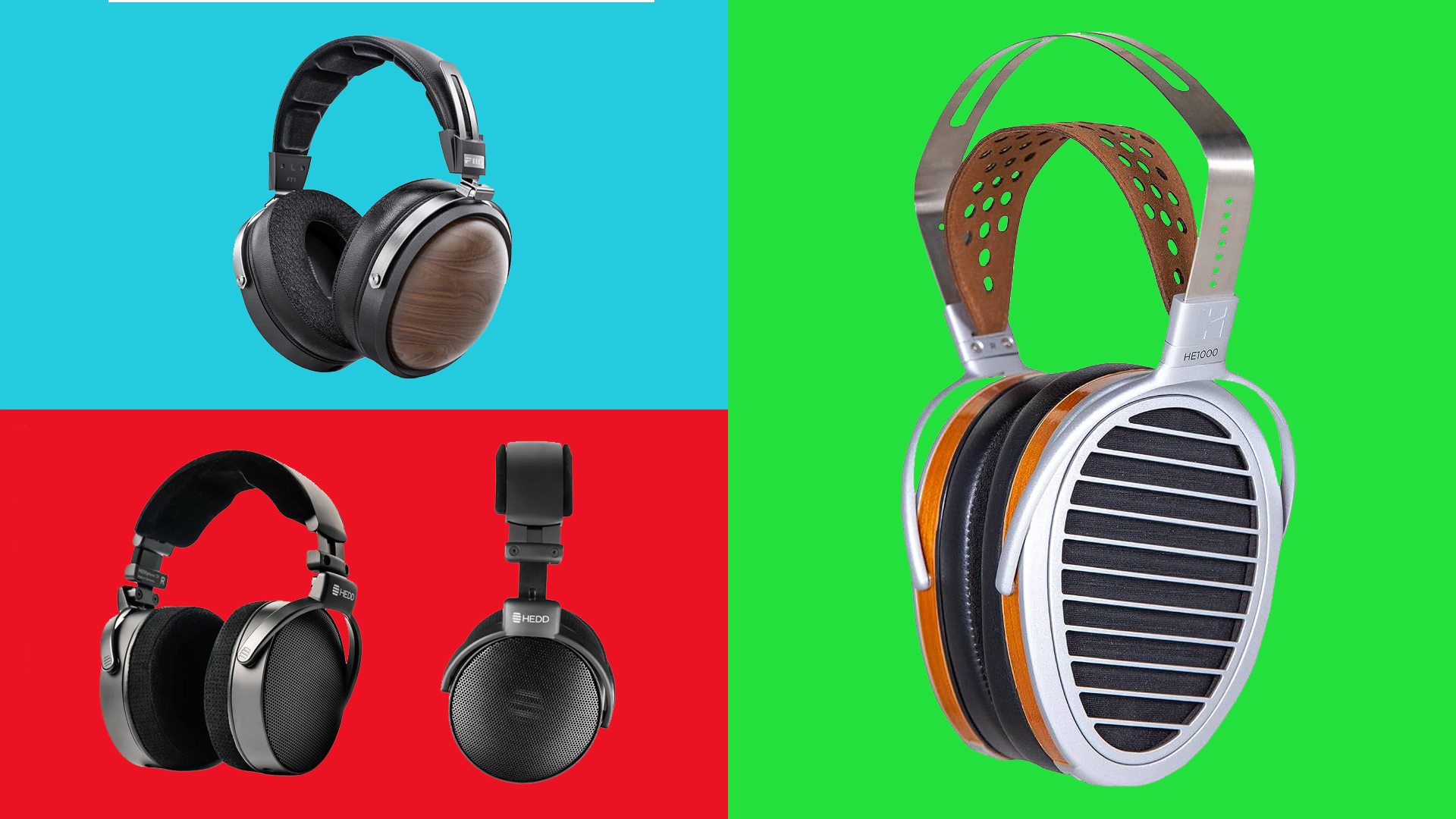
How to choose best wired headphones
The right pair depends less on a long feature list than on where the headphones will be used and how much physical isolation the listener needs.
Connection type
A 3.5mm plug remains the most broadly useful connection in this group, working with compatible phones, laptops, tablets, music players, and audio equipment. USB-C earbuds such as the Apple EarPods USB-C are a better match for newer devices that lack a headphone socket, but they are not interchangeable with standard analog 3.5mm headphones.
Studio and DJ equipment can require a 6.35mm connection. The Sony MDR7506 includes a 1/4-inch adapter, while the OneOdio Pro-10 is designed to support both 3.5mm and 6.35mm connections. Check the ports on the source device before choosing.
Earbud, on-ear, and over-ear fit
Earbuds are small and leave the ear open, but they provide little passive isolation and depend heavily on ear shape. On-ear headphones such as the Sony ZX Series MDR-ZX110 and JBL Tune 500 are compact, though the pads rest directly against the ears.
Over-ear models surround the ears and usually provide a more stable seal. Closed-back designs work better in noisy rooms, while open-back headphones such as the Sennheiser HD 599 SE are intended for quiet spaces where sound leakage is acceptable.
The biggest sound decision is often the shape of the enclosure, not the largest driver number.
Closed-back versus open-back design
Closed-back headphones keep the presentation contained and reduce the amount of outside sound reaching the listener. The Sony MDR7506 and Audio-Technica ATH-M20x are better suited to tracking, shared rooms, and focused listening.
Open-back headphones allow air and sound to move through the earcup. This can create a more spacious presentation, but it also lets nearby people hear the playback and allows room noise in. Open-back models should be treated as home-listening headphones.
Driver tuning
Driver size alone does not determine sound quality. The Sony ZX Series MDR-ZX110 uses 30mm dynamic drivers for a punchy response, while the OneOdio Pro-10 uses 50mm drivers with a bass-forward presentation. The Sony MDR7506 and Audio-Technica ATH-M20x both use 40mm drivers, but their closed studio designs have different tuning goals.
Look for a sound description that matches the source material. Bass emphasis can make rhythm-heavy music more engaging, while balanced mids and controlled bass are more helpful for following vocals, instruments, and recorded detail.
Controls and microphone
A microphone and inline remote are useful for calls, video meetings, and voice assistants. The JBL Tune 500, both Apple EarPods models, and the Botesty Sound Wired Headphones include call-oriented controls or microphones.
Not every control works the same way on every device. Botesty specifically notes that its volume cannot be adjusted on the headphones and that microphone support varies on desktops and certain laptops. If calls are central to the purchase, verify both the connector and device compatibility.

Frequently asked questions
Are wired headphones better for music listening?
Wired headphones avoid battery charging and wireless pairing, which can make them simpler for dedicated listening. The best choice still depends on the design: the Sennheiser HD 599 SE offers an open-back presentation, while the Sony MDR7506 and Audio-Technica ATH-M20x provide closed-back isolation.
What is the difference between USB-C and 3.5mm headphones?
USB-C headphones connect through a USB-C port, while 3.5mm headphones use a traditional analog headphone jack. The Apple EarPods USB-C suit compatible modern devices, and the Apple EarPods 3.5mm suit devices that retain the standard audio socket.
Are open-back headphones suitable for travel?
Usually not. Open-back headphones leak sound and allow surrounding noise to reach the listener, so they are better in quiet rooms. A closed-back model such as the Sony MDR7506 is more appropriate when isolation matters.
Do all wired headphones include a microphone?
No. The Sony ZX Series MDR-ZX110, Sony MDR7506, OneOdio Pro-10, Audio-Technica ATH-M20x, and Sennheiser HD 599 SE are listed as listening or monitoring headphones without a built-in call microphone. The JBL Tune 500, both Apple EarPods models, and Botesty Sound Wired Headphones include microphone features.
Can wired headphones work with a phone without a headphone jack?
They can work if the phone supports the required connection through an appropriate adapter. USB-C headphones connect directly to a compatible USB-C port, while 3.5mm models need a device with a 3.5mm jack or a suitable conversion adapter.
Which wired headphones are easiest to carry?
The Apple EarPods models are the smallest options here because they do not use a headband. The Sony ZX Series MDR-ZX110 and JBL Tune 500 add folding or swiveling features, making them more portable than the full-size studio and open-back models.
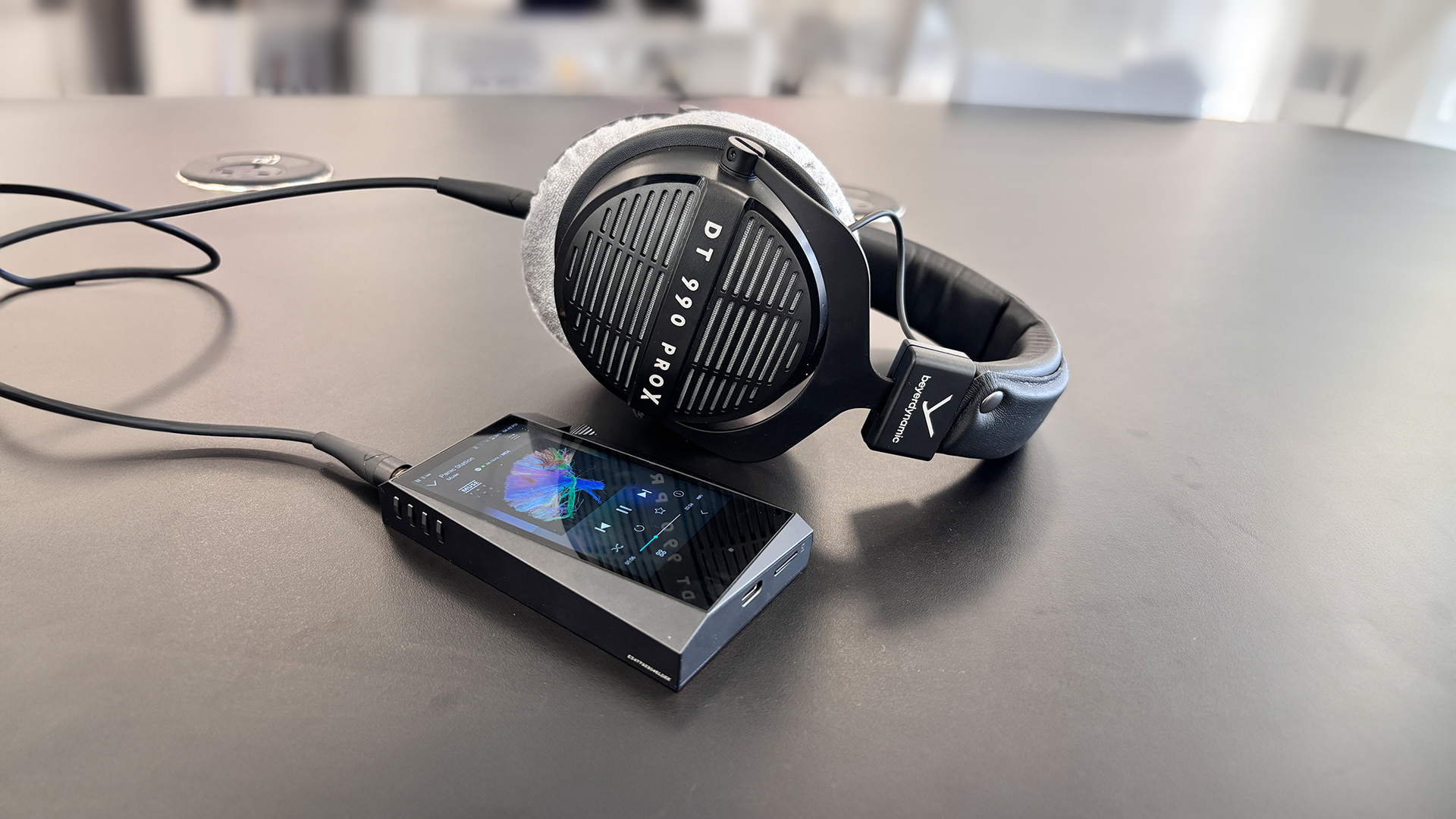
The bottom line
The Sony ZX Series MDR-ZX110 is the most broadly suitable choice in this Best wired headphones roundup. Its lightweight closed-back design, folding earcups, 3.5mm plug, and punchy sound cover ordinary travel and daily listening without the bulk of a studio headphone. Choose the JBL Tune 500 instead when a microphone, remote, and flat cable are more important than the simplest build.
For specialized use, the Sennheiser HD 599 SE is the standout for spacious home listening, while the Sony MDR7506 and Audio-Technica ATH-M20x make more sense for closed-back monitoring. USB-C users should choose the Apple EarPods USB-C, and DJ users should look first at the OneOdio Pro-10.
If you are undecided, choose the Sony ZX Series MDR-ZX110 for everyday use, then switch to an over-ear or open-back design only when you know you need more isolation or space.
As an Amazon Associate we earn from qualifying purchases.