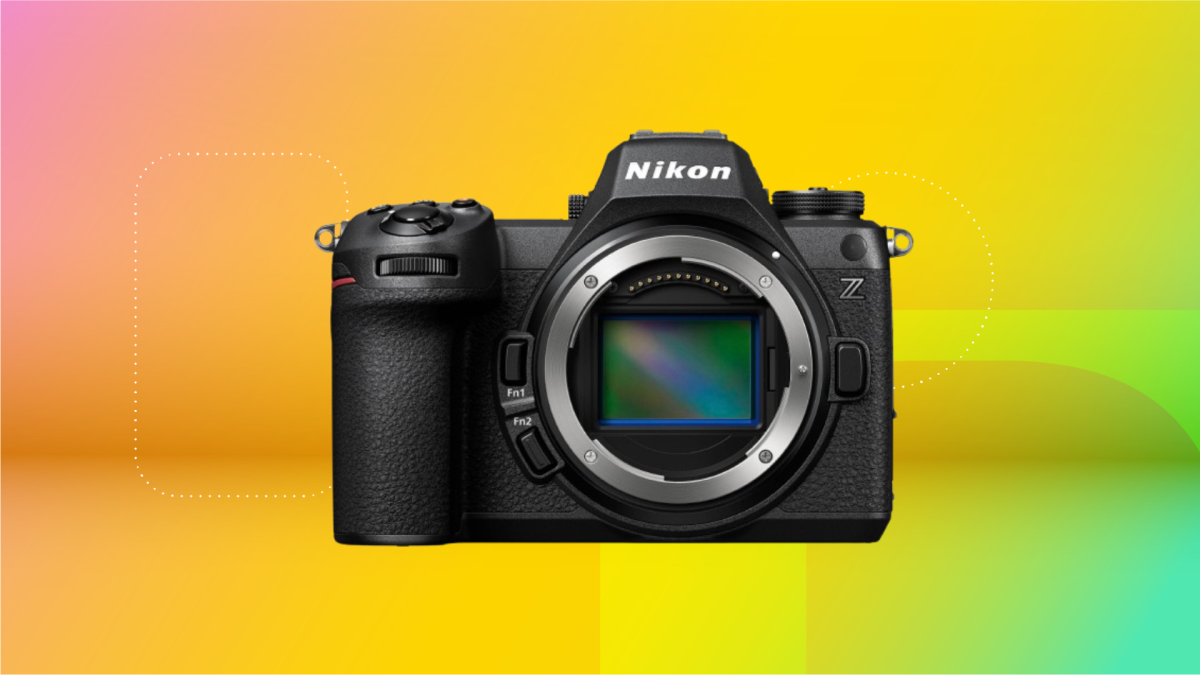

A camera that fits in a small bag can still give you the reach, control, and low-light performance a phone cannot. The difficult part is separating Nikon bodies built for serious photography from creator-focused cameras that simply happen to use interchangeable lenses. The Best nikon mirrorless camera for you depends heavily on sensor size, autofocus, video needs, and whether the included lens fits the way you shoot.
We ranked these ten Nikon cameras from the most capable all-rounder to more specialized choices. The list includes compact DX models, full-frame cameras for demanding stills and video, and several kits that solve the lens question immediately.
Our top pick is the Nikon Z50 II Two Lens Kit, with the Z6 III close behind for full-frame work and advanced video.
Comparison table
| # | Product | Award | Sensor | Video | Best for |
|---|---|---|---|---|---|
| 1 | Nikon Z50 II Two Lens Kit | Best overall | 20.9MP DX | 4K UHD 60p | Travel and everyday shooting |
| 2 | Nikon Z50 II Telephoto Kit | Best for distant subjects | 20.9MP DX | 4K UHD 60p | Wildlife and sports |
| 3 | Nikon Z6 III | Best full-frame hybrid | Full frame | 6K 60p RAW | Serious photo and video work |
| 4 | Nikon Z6 III 28-400mm Kit | Best one-lens system | Full frame | 6K 60p RAW | Travel with maximum range |
| 5 | Nikon Z30 16-50mm Kit | Best creator kit | DX | 4K | Vlogging and streaming |
| 6 | Nikon Z7 II | Best high-resolution stills | Full frame, 45.7MP | 4K UHD 60p | Landscapes and studio work |
| 7 | Nikon Z5 27-Piece Bundle | Best bundled reach | Full frame, 24.3MP | 4K UHD 30p | Buyers starting from scratch |
| 8 | Nikon Z fc 16-50mm Kit | Best retro design | 20.9MP DX | 4K UHD | Street photography and style |
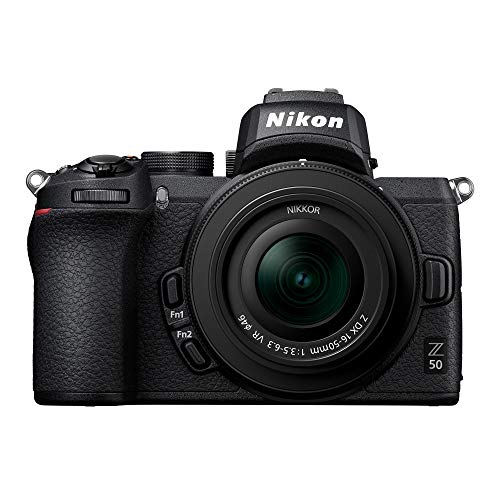
| 9 | Nikon Z50 16-50mm Kit | Best simple DX camera | 20.9MP DX | 4K UHD | New photographers |
| 10 | Nikon Z30 Body | Best compact body | DX | 4K | Creators who own lenses |
1. Nikon Z50 II Two Lens Kit: Best Overall

Pros
- Compact DX body with two useful zoom lenses
- Subject detection covers people, animals, birds, and vehicles
- 4K UHD 60p and Full HD 120p slow motion
- Built-in flash and wireless sharing
- Picture Control presets are easy to use
Cons
- DX sensor is smaller than the full-frame sensors here
- The included lenses are not especially bright
- Body dimensions listed by the retailer are inconsistent
Best for: photographers who want one compact Nikon kit for travel, family photos, wildlife, and video.
The Nikon Z50 II Two Lens Kit is the camera in this group that asks the fewest compromises from a general photographer. The 20.9MP DX sensor keeps the body compact, while the included NIKKOR Z DX 16-50mm and 50-250mm lenses cover everyday wide-angle work and distant subjects without forcing you to build a lens collection immediately. At 2.4 pounds as listed in the product information, it is still a small-bag system, though that figure presumably reflects the kit rather than just the body.
Nikon gives the Z50 II unusually approachable controls for a camera with serious headroom. Its Picture Control button opens 31 built-in presets, and you can create or save your own looks. That is useful for anyone who wants a finished style straight out of the camera instead of spending every image in editing software. SnapBridge handles wireless photo and video transfer to a compatible smart device, and the built-in flash remains handy for indoor snapshots.
Autofocus is the biggest functional step beyond older compact Nikon bodies. The camera detects nine subject types, including people, dogs, cats, birds, and vehicles, with dedicated bird and airplane modes. That makes it a more confident choice for unpredictable movement than the Nikon Z50 16-50mm Kit. Video is also strong for the size, with 4K UHD at 60p, Full HD at 120p for slow motion, electronic VR, and a product review mode that can help creators show items on camera.
The compromise is the DX sensor and the relatively modest maximum apertures of the two zooms. In dim interiors or at dusk, a full-frame body such as the Nikon Z6 III gathers more light and gives you more room to shape background blur. The kit is also less discreet than the body-only Z30 once the telephoto lens is attached. Still, for a first interchangeable-lens camera, family photographer, traveler, or hobbyist who wants both reach and easy color tools, this is the most complete starting point.
2. Nikon Z50 II Telephoto Kit: Best for Distant Subjects

Pros
- 20.9MP DX sensor and EXPEED 7 processor
- 50-250mm lens provides useful telephoto reach
- Up to 30 frames per second continuous shooting
- Five stops of Vibration Reduction in the telephoto lens
- Includes a travel bag and memory accessories
Cons
- The bundle is less versatile than the two-lens kit for wide shooting
- DX sensor gives up some low-light flexibility to full frame
- Telephoto lens is less convenient for close indoor work
Best for: wildlife, outdoor sports, and photographers who want a compact telephoto setup first.
The Nikon Z50 II Telephoto Kit uses the same promising Z50 II body as our top pick but changes the emphasis. Its NIKKOR Z DX 50-250mm lens is the reason to choose this package. On a DX body, that range gives you a practical way to frame birds, field sports, distant details, and portraits without carrying a much larger full-frame telephoto setup.
The 20.9MP sensor is paired with Nikon's EXPEED 7 processor, and the listed sensitivity extends to ISO 204800. That does not make the camera a night-vision device, but it gives the processing system room to work when light falls. The body can shoot at up to 30 frames per second, which is useful when a bird takes off or an athlete changes direction. The telephoto lens adds up to five stops of Vibration Reduction, helping counter hand movement when you are shooting static or moderately moving subjects.
Autofocus recognizes nine subject types and includes eye detection, bird detection, and vehicle recognition. Those tools matter more here than they would on a casual family camera because a distant subject may occupy only a small part of the frame. The Z50 II also records 4K UHD at 60p and Full HD at 120p, so the kit remains capable for action clips rather than being a stills-only specialist.
Compared with the Nikon Z50 II Two Lens Kit, this bundle makes a clearer commitment to reach. You receive the 16-50mm lens as well, along with a 64GB memory card, cleaning kit, card wallet, reader, and travel bag, so the practical gap is not as large as the title suggests. The weakness is simple: the 50-250mm is not the lens you want for every indoor scene, and the DX sensor cannot match the full-frame Z6 III in dim conditions. Pick it when distant subjects are your priority, not when you want the smallest everyday walkaround kit.
3. Nikon Z6 III: Best Full-Frame Hybrid

Pros
- Full-frame hybrid design for demanding stills and video
- Internal 6K 60p N-RAW recording
- 4K 120p and Full HD 240p slow motion
- Bright 5760k-dot electronic viewfinder
- Autofocus detection down to minus 10 EV
Cons
- Body-only purchase requires a separate lens
- More camera than casual users need
- Full-frame lenses can make the system substantially heavier
Best for: photographers and filmmakers who need strong low-light performance and advanced internal video recording.
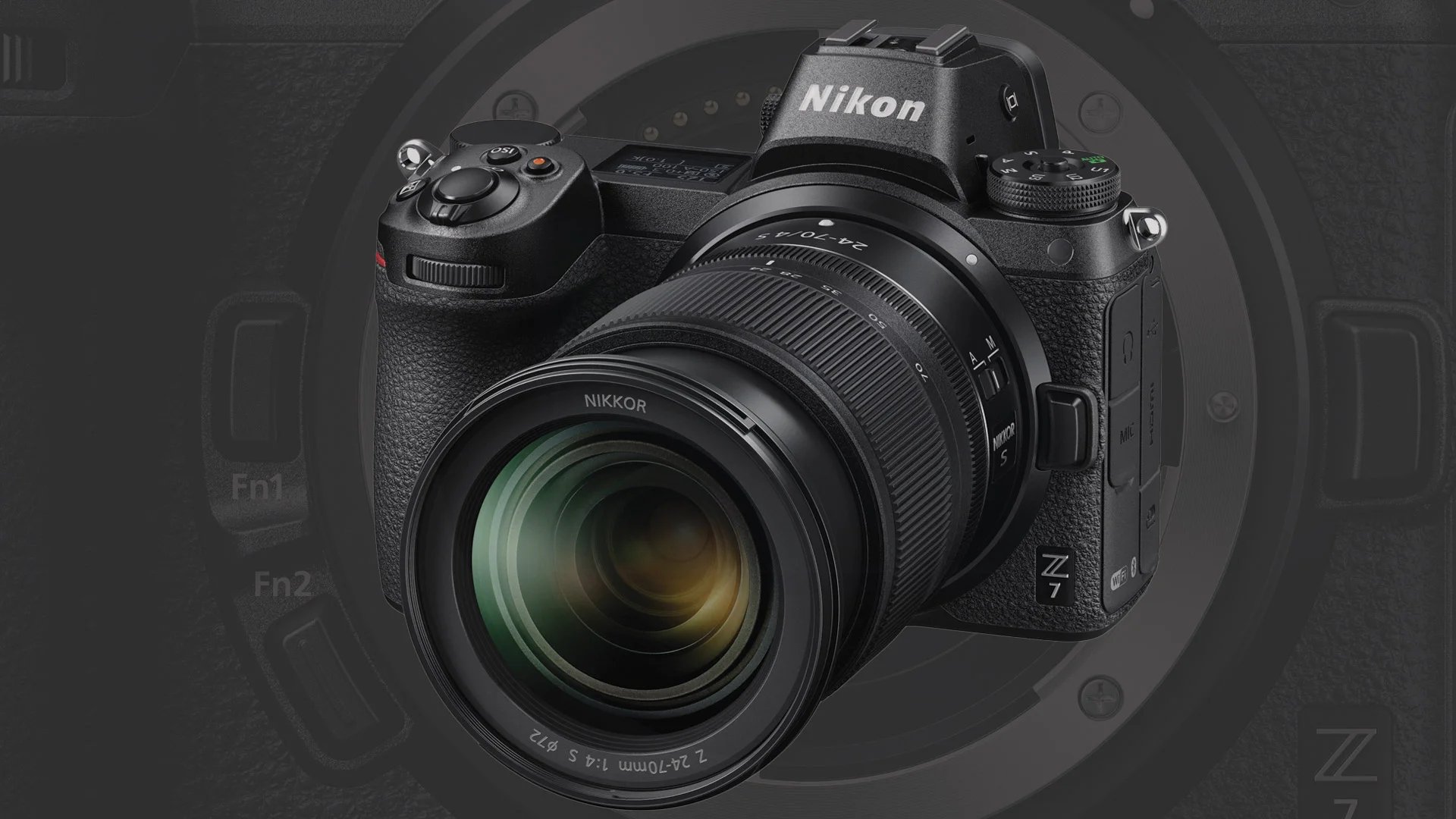
The Nikon Z6 III is the point where this roundup moves from compact convenience to serious hybrid production. Its full-frame sensor is a better fit for evening scenes, interior work, and controlled background blur than the DX bodies. The body weighs 1.48 pounds according to the product information, which is manageable on its own, although a fast full-frame lens changes the carrying experience.
Video is the headline feature. Internal N-RAW recording reaches 6K at 60p, while oversampled 4K, 4K at 120p, and Full HD at 240p cover everything from detailed cinema footage to dramatic slow motion. The camera includes line-in audio and professional monitoring tools, making it a more credible production camera than the creator-first Nikon Z30 models. If you are comparing systems for serious moving-image work, our guide to choosing a camera for changing lenses and different shooting styles provides useful context.
The electronic viewfinder is another reason this model feels different from the smaller Nikons. It has 5760k dots, a maximum brightness of 4000 nits, and a refresh rate of 120 fps. Those numbers translate into a view that remains easier to judge in bright conditions and looks more natural when following fast action. Autofocus works down to minus 10 EV, with multi-subject recognition and faces that can be detected when they occupy roughly 3 percent of the frame.
The Z6 III beats the Z7 II for speed and video flexibility, while the Z7 II counters with much higher still-image resolution. It also loses some convenience to the Z50 II because there is no included lens in this listing. That is a real barrier for a newcomer, and the body is excessive for someone mainly taking vacation snapshots. For an owner of quality Z lenses, or a creator who needs one body to handle both high-end photos and demanding video, it is the strongest body in the group.
4. Nikon Z6 III 28-400mm Kit: Best One-Lens System

Pros
- Full-frame Z6 III body with extensive video features
- 28-400mm lens covers wide angle through super-telephoto
- Built-in stabilization rated at eight stops
- 6K 60p N-RAW and 4K 120p
- Strong viewfinder and low-light autofocus
Cons
- The lens and body make a heavier travel combination
- The 28mm starting point is not as wide as some landscape lenses
- A broad-range zoom cannot replace specialized fast lenses
Best for: travelers and outdoor photographers who want maximum focal-length flexibility without changing lenses.
The Nikon Z6 III 28-400mm Kit turns the Z6 III into a remarkably broad travel system. The NIKKOR Z 28-400mm f/4-8 VR lens can frame a street scene at the wide end, then move to distant wildlife or compressed landscape details without a lens change. That is the central appeal, especially for trips where dust, weather, or a fast-moving schedule makes swapping glass annoying.
The full-frame body keeps all the Z6 III strengths intact. You still get internal 6K at 60p in N-RAW, oversampled 4K, 4K at 120p, and Full HD at 240p. The viewfinder has 5760k dots, reaches 4000 nits, and refreshes at up to 120 fps. These are not merely impressive specifications on a page. They help when you are tracking action outdoors, checking focus in a bright place, or trying to judge a shot before it disappears.
Nikon lists eight stops of built-in image stabilization for this kit, with Focus Point VR. Stabilization cannot freeze a moving person, and the lens aperture becomes f/8 at the long end, but it can make handheld framing and static-subject shooting much easier. The Z6 III's autofocus detection down to minus 10 EV also makes the kit more adaptable after sunset than the smaller DX alternatives.
This setup is more flexible than the Nikon Z6 III body alone and far more reach-oriented than the Nikon Z50 II Two Lens Kit. The trade-off is weight. The product information lists the kit at 3.07 pounds, and that is before adding batteries or a bag. The lens also cannot produce the same low-light look as a fast prime. Choose it when changing lenses is the problem you want solved, and skip it if portability matters more than focal-length range.
5. Nikon Z30 16-50mm Kit: Best Creator Kit

Pros
- Flip-out touchscreen for self-recording
- 16-50mm wide-angle zoom included
- Eye tracking for people and pets
- USB-C webcam and constant-power support
- Adjustable stereo microphone
Cons
- No electronic viewfinder
- Not the right fit for long-lens photography
- DX sensor and creator controls favor video over advanced stills
Best for: vloggers, streamers, and video-first buyers who want a ready-to-use lens kit.
The Nikon Z30 16-50mm Kit is not trying to be a miniature Z6 III. It is a creator camera designed to make filming yourself straightforward. The flip-out touchscreen faces forward, the red recording light makes it obvious when the camera is rolling, and the included 16-50mm zoom gives you a useful range for desk videos, walk-and-talk clips, and casual travel footage.
Nikon includes a built-in stereo microphone with adjustable sensitivity, though serious production will still benefit from an external audio setup. Autofocus tracks the eyes of people and pets, a feature that reduces the need to stay perfectly still in front of the lens. The camera also supports smartphone control through a compatible phone, which is useful when the camera is positioned out of arm's reach.
The connectivity is unusually practical. USB-C supports Full HD 60p streaming and constant power, while HDMI supports 4K 30p streaming. That makes the Z30 easier to integrate into a desk setup than a conventional stills camera that needs extra work to function as a webcam. The camera records 4K video and is compatible with Nikon's wider NIKKOR Z lens line, so the system can grow when the kit lens stops being enough.
The missing electronic viewfinder is the decisive weakness. It is not a concern when the screen is in front of you, but it makes bright outdoor still photography less comfortable than with the Z50 II or Z6 III. The Nikon Z30 Body is the better choice for someone who already owns a suitable lens, while this kit is more sensible for a new creator who wants to start filming immediately. It is a focused tool, and that focus is its advantage.
6. Nikon Z7 II: Best High-Resolution Stills

Pros
- 45.7MP full-frame sensor
- Dual card slots for flexible storage
- Improved autofocus and larger buffer than the original Z7
- 4K UHD 60p video
- Compatible with Z lenses and many F-mount lenses through an adapter
Cons
- Video tools are less advanced than the Z6 III
- Body-only listing requires a lens
- High resolution can expose lens and technique limitations
Best for: landscapes, studio photography, weddings, and large prints that need substantial cropping room.
The Nikon Z7 II remains the stills specialist in this group. Its 45.7MP full-frame sensor records substantially more detail than the 20.9MP DX models and the 24.3MP Z5. That extra resolution gives landscape photographers more freedom to crop, lets studio photographers preserve fine texture, and makes large prints possible without leaning on aggressive enlargement.
The rest of the camera is more thoughtfully equipped than the resolution figure alone suggests. Nikon improved subject acquisition, autofocus performance, continuous shooting, and buffer capacity, with the buffer described as 3.3 times larger than the original Z7's. Dual card slots accept CFexpress or XQD and UHS-II SD media, giving event photographers a way to separate files or create a second copy while working.
Video reaches 4K UHD at 60p, and USB-C supports constant power and charging. That is enough for detailed video, livestreaming, and timelapse work, but the Z6 III is the more capable video body with internal 6K N-RAW, 4K 120p, and advanced monitoring features. Readers comparing high-resolution systems may also want to consider how full-frame sensors affect detail and low-light shooting before choosing between these two bodies.
The Z7 II is less forgiving than the Z50 II. A 45.7MP file can show missed focus, camera shake, or a lens that is not resolving as well as expected. It is also a body-only listing, so a first-time buyer must plan for a lens. Choose the Z7 II when still-image detail is the main reason you are upgrading, and choose the Z6 III when fast action and video carry equal weight.
7. Nikon Z5 27-Piece Bundle: Best Bundled Reach

Pros
- 24.3MP full-frame sensor
- Includes three lenses and an extra battery
- 420-800mm manual super-telephoto lens adds unusual reach
- 4K UHD 30p recording
- Includes case, tripod, memory card, charger, and accessories
Cons
- Listed as a renewed bundle
- The 420-800mm lens is manual focus
- DX lenses are not the natural match for a full-frame body
- Autofocus and burst speed trail the Z6 III
Best for: a photographer who wants a large collection of accessories and lenses in one starter package.
The Nikon Z5 27-Piece Bundle is less about one polished camera experience and more about giving a new owner a large kit to explore. The Z5 body uses a 24.3MP full-frame CMOS sensor and an EXPEED 6 processor. It records 4K at 30p, shoots at 4.5 frames per second, and has a 3.2-inch LCD with 1.04 million dots for playback and live view.
The two Nikon DX zooms cover everyday photography and moderate telephoto work. The 16-50mm is suited to wide scenes, portraits, and general use, while the 50-250mm reaches toward distant subjects and portraits. The third lens is a 420-800mm f/8 manual super-telephoto lens with a T-mount adapter. That kind of reach can be intriguing for moon photography or distant wildlife, but manual focus and the f/8 aperture make it a specialist tool rather than a simple extension of the Z5's autofocus system.
The accessory list is extensive. It includes an extra replacement battery, charger, 64GB memory card, carrying case, 50-inch tripod, hand grip, USB cable, filters, card reader, dust blower, sensor brush pen, lens caps, hoods, and software. The bundle also lists a one-year exclusive dealer warranty and identifies the camera as an import model. Those details matter more here than they would with a standard body-only purchase.
This package cannot match the Z50 II for autofocus speed or the Z6 III for video. The use of DX lenses on a full-frame body also deserves careful attention, and the product is marked renewed despite the listing's condition field saying new. That inconsistency is a reason to inspect the listing and warranty terms closely. For someone who wants a full-frame learning platform with lots of physical accessories, it is unusual and potentially useful. For a clean, predictable system, the Z5 itself is not the strongest pick here.
8. Nikon Z fc 16-50mm Kit: Best Retro Design

Pros
- Tactile analog controls for shutter speed, ISO, and exposure compensation
- 20.9MP DX sensor
- Flip-out vari-angle touchscreen
- 4K UHD video and eye detection
- SnapBridge wireless connectivity
Cons
- Retro controls are not ideal for every shooting style
- DX sensor gives up full-frame low-light performance
- Included zoom is compact but not especially bright
Best for: street photographers and enthusiasts who want physical controls and a camera they enjoy carrying.
The Nikon Z fc 16-50mm Kit is the camera here that makes the act of taking pictures feel most deliberate. Its retro-inspired body uses analog controls for shutter speed, ISO, and exposure compensation. Those dials let you see the setup before raising the camera, which is a different experience from relying on a menu and command wheels.
Underneath the styling is a capable 20.9MP DX camera with EXPEED 6 processing. The included 16-50mm zoom handles everyday wide-angle scenes and short portraits, while the vari-angle screen folds out for low-angle framing, self-recording, and video. The camera records 4K UHD, provides full-time eye detection, and includes a stereo microphone plus an external microphone jack.
Nikon also makes the Z fc approachable for people moving up from a phone. Auto mode, quick settings, and a menu help guide reduce the learning curve, while SnapBridge connects the camera to a compatible smart device. The body accepts NIKKOR Z lenses and can use F-mount NIKKOR lenses with an FTZ adapter sold separately. If compact carry is your priority, our discussion of what makes a small camera easier to carry every day is relevant here.
The Z fc is not as fast or autofocus-rich as the Z50 II, and the styling can become a limitation if you prefer to change settings quickly while looking through the viewfinder. Its older DX platform also cannot compete with the Z6 III in low light. But for street photography, travel, and anyone who values physical control over maximum specification, it remains a distinctive and enjoyable option.
9. Nikon Z50 16-50mm Kit: Best Simple DX Camera
Pros
- Compact 20.9MP DX body
- 16-50mm lens included
- 4K UHD video
- Flip-down touchscreen for self-portraits
- Wi-Fi and Bluetooth smartphone pairing
Cons
- Older autofocus system than the Z50 II
- Flip-down screen is awkward on a tripod
- No included telephoto lens
- DX sensor is less capable in low light than full frame
Best for: beginners who want a small interchangeable-lens Nikon for travel and everyday photos.
The Nikon Z50 16-50mm Kit is the straightforward older sibling in this list. It keeps the useful combination of a compact body, a 20.9MP DX sensor, and a small 16-50mm zoom. The design is durable and light enough for daily carry, with the product information listing the body at 0.9 pounds.
Its appeal is simplicity. The 16-50mm lens is a sensible first lens for landscapes, food, travel, family portraits, and ordinary street scenes. A flip-down touchscreen supports self-portraits and blogging, while built-in Wi-Fi and Bluetooth make smartphone pairing easy. The Z mount also leaves room to add NIKKOR Z lenses later, and an FTZ adapter can connect compatible F-mount NIKKOR lenses.
The camera records 4K UHD video, but its feature set is less creator-focused than the Z30. The screen folds down rather than to the side, so a tripod or top-mounted microphone can obstruct it during self-recording. Autofocus is also behind the Z50 II, whose EXPEED 7 processor, nine subject types, bird mode, and vehicle recognition make it better suited to erratic motion.
That does not make the Z50 obsolete. For a new photographer who mainly wants stills and prefers a small camera with a familiar control layout, it remains easy to understand. The Nikon Z fc offers more tactile operation, and the Z50 II offers much stronger autofocus and video tools. Choose this kit when ordinary travel and family photography matter more than the newest tracking features.
10. Nikon Z30 Body: Best Compact Body

Pros
- Very small video-focused body
- Flip-out touchscreen and red recording light
- Eye tracking for people and pets
- USB-C streaming and constant power
- Compatible with the NIKKOR Z lens system
Cons
- Lens must be purchased separately
- No electronic viewfinder
- Small body can be less comfortable with large lenses
- Stills controls are secondary to creator features
Best for: creators who already own a compatible lens and want the smallest Nikon body for video.
The Nikon Z30 Body is the purest expression of Nikon's creator-first design in this roundup. It is built around a flip-out touchscreen, a visible red recording light, and a body small enough to disappear into a compact video setup. The product information lists dimensions of 5.01 by 2.89 by 2.34 inches, though its listed weight appears inconsistent, so the dimensional data is more useful than that unusually tiny weight figure.
The camera records 4K video and uses eye tracking for people and pets. Its built-in stereo microphone has adjustable sensitivity, and a compatible phone can control the camera remotely. These details make a difference for someone recording alone. You can see framing from in front of the camera, confirm recording status, and adjust a setup without repeatedly walking behind the camera.
Streaming support is also well considered. USB-C enables Full HD 60p streaming and constant power, while HDMI supports 4K 30p streaming. The body is compatible with Nikon's NIKKOR Z lenses, including fast primes and macro lenses, so it can become more capable as your subject matter changes. The Z30 16-50mm Kit is easier for a first-time buyer because it supplies a lens, but this body is the cleaner choice for an existing Nikon owner.
The missing viewfinder limits its appeal for traditional still photography, and the lack of a lens makes the listing a poor starting point for someone with no equipment. The Z50 16-50mm Kit is a more balanced stills camera, while the Z30 is better at staying out of the way during video. Buy this body when you already know the lens you want and your priority is a compact creator rig.
How to choose best nikon mirrorless camera
The right Nikon mirrorless camera is determined less by the model number than by the type of work you expect to do.
Sensor format
Nikon's DX sensors, such as the 20.9MP sensors in the Z50 II, Z50, Z fc, and Z30, allow smaller bodies and lenses. They are well suited to travel, family photography, and daylight action. Full-frame models such as the Z6 III, Z7 II, and Z5 generally offer more flexibility in dim light and more control over background blur, but the lenses and complete systems can be larger.
Autofocus and subject detection
Modern subject detection is especially useful for birds, pets, sports, and children. The Z50 II recognizes nine subject types and includes dedicated bird and airplane modes. The Z6 III adds detection down to minus 10 EV and is the better choice when movement and difficult light happen together. Older models can still focus well, but they offer fewer automated safeguards.
Video format and screen design
Look for 4K recording if video is a regular part of your work. The Z50 II and Z30 offer 4K, while the Z6 III adds internal 6K 60p N-RAW, 4K 120p, and Full HD 240p. A side-hinged flip-out screen is more useful for self-recording than a flip-down screen, especially when the camera sits on a tripod.
Choose the body that removes the obstacle you encounter most often, whether that is low light, distant subjects, lens changes, or filming yourself.
Lens coverage
A 16-50mm zoom is a practical everyday starting point. A 50-250mm lens adds useful reach for wildlife and outdoor sports, while the Z6 III's 28-400mm lens covers an unusually broad range in one package. Broad zooms are convenient, but they cannot usually match a fast prime lens for dim scenes or strong background separation.
Resolution and storage
The Z7 II's 45.7MP sensor is aimed at photographers who crop heavily or make large prints. The Z6 III and Z5 use lower resolutions that create smaller files and remain more than adequate for many uses. Dual card slots on the Z7 II add flexibility for assignments and important events, while the Z30 and Z50 families are simpler compact systems.

Frequently asked questions
Is the Nikon Z50 II good for beginners?
Yes. The Z50 II combines a compact DX body with easy Picture Control presets, subject detection, a built-in flash, and two useful lenses in this kit. It also leaves room to learn more advanced controls as your photography develops.
Is the Nikon Z6 III better than the Nikon Z7 II?
The Z6 III is better for advanced video, action, autofocus in difficult light, and fast-moving subjects. The Z7 II is better when still-image resolution is the priority, especially for landscapes, studio work, and large prints.
Which Nikon camera is best for vlogging?
The Z30 is the most focused vlogging choice because it has a flip-out touchscreen, a recording light, adjustable stereo microphone sensitivity, and USB-C streaming support. The Z30 16-50mm Kit is the easier starting point if you do not already own a compatible lens.
Do Nikon Z cameras use older F-mount lenses?
Many can use F-mount NIKKOR lenses with an FTZ mount adapter sold separately. Compatibility and autofocus behavior depend on the specific lens, so check the lens and adapter requirements before building a mixed system.
Is the Nikon Z fc mainly a fashion camera?
No. Its retro design is distinctive, but the Z fc has a 20.9MP DX sensor, 4K UHD video, eye detection, a vari-angle screen, and access to NIKKOR Z lenses. Its controls and styling simply make it especially appealing for street and travel photography.
Should I choose a kit with one lens or two?
A two-lens kit gives you a wider range of subjects without an immediate lens search. One-lens kits are simpler to carry, while the Z6 III 28-400mm Kit offers unusually broad coverage from a single zoom at the cost of a heavier setup.

The bottom line
The Best nikon mirrorless camera for most people is the Nikon Z50 II Two Lens Kit. It combines a compact body, useful wide and telephoto lenses, 20.9MP DX output, strong subject detection, 4K 60p video, and approachable color controls. It is the most complete choice for travel, family photography, wildlife, and general creative work.
For full-frame stills and video, choose the Nikon Z6 III. Its internal 6K N-RAW, bright high-resolution viewfinder, low-light autofocus, and 4K slow-motion modes give it a clear advantage over the Z7 II for hybrid work. The Z7 II remains the better specialist for maximum still-image detail.
If you are undecided, start by choosing between compact DX convenience and full-frame low-light capability, then select the lens range that matches what you actually photograph.
As an Amazon Associate we earn from qualifying purchases.